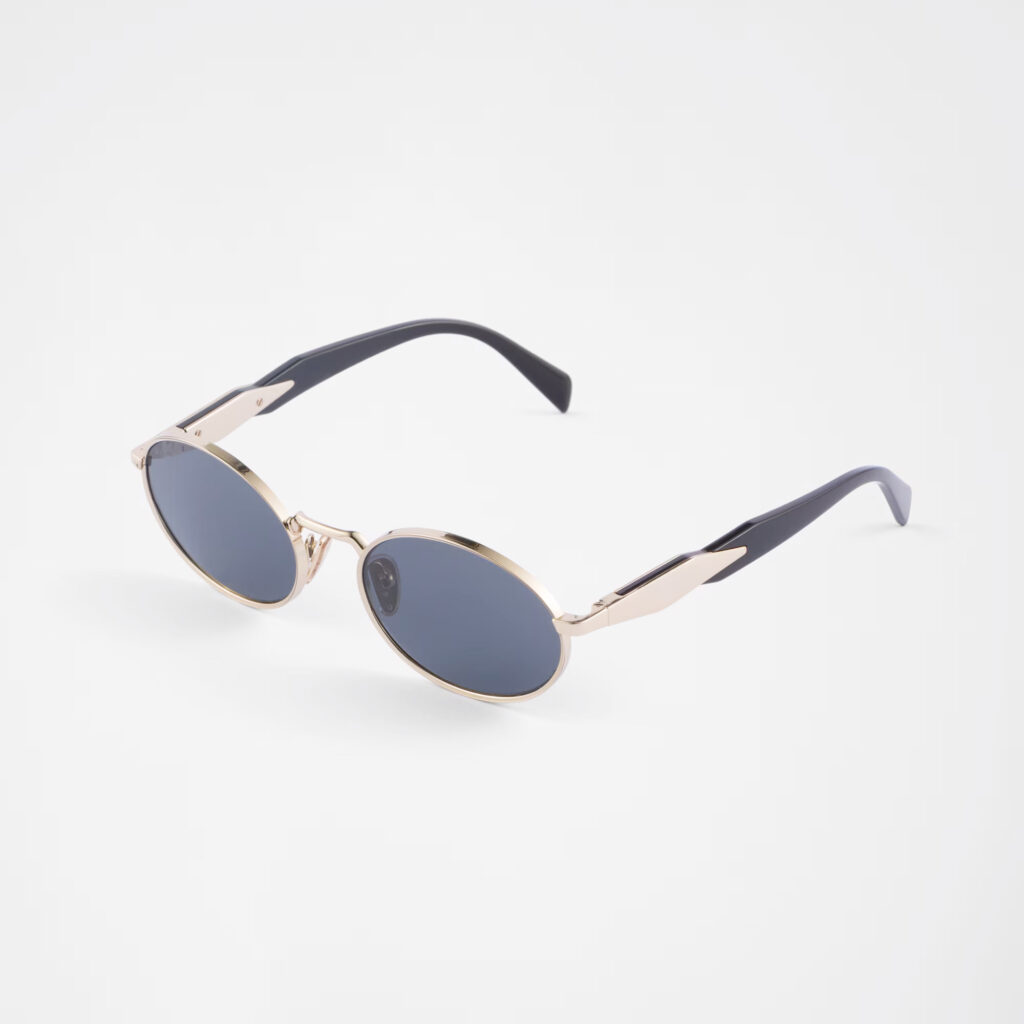
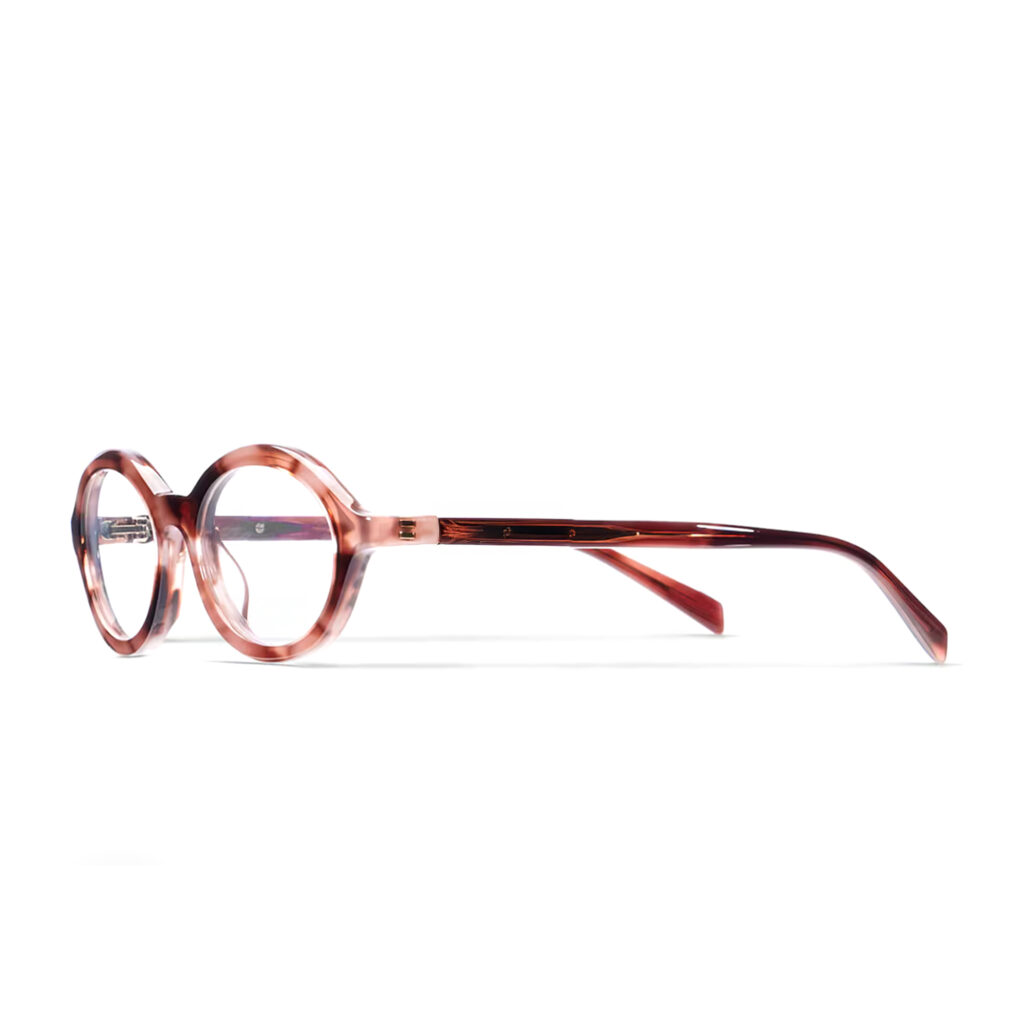
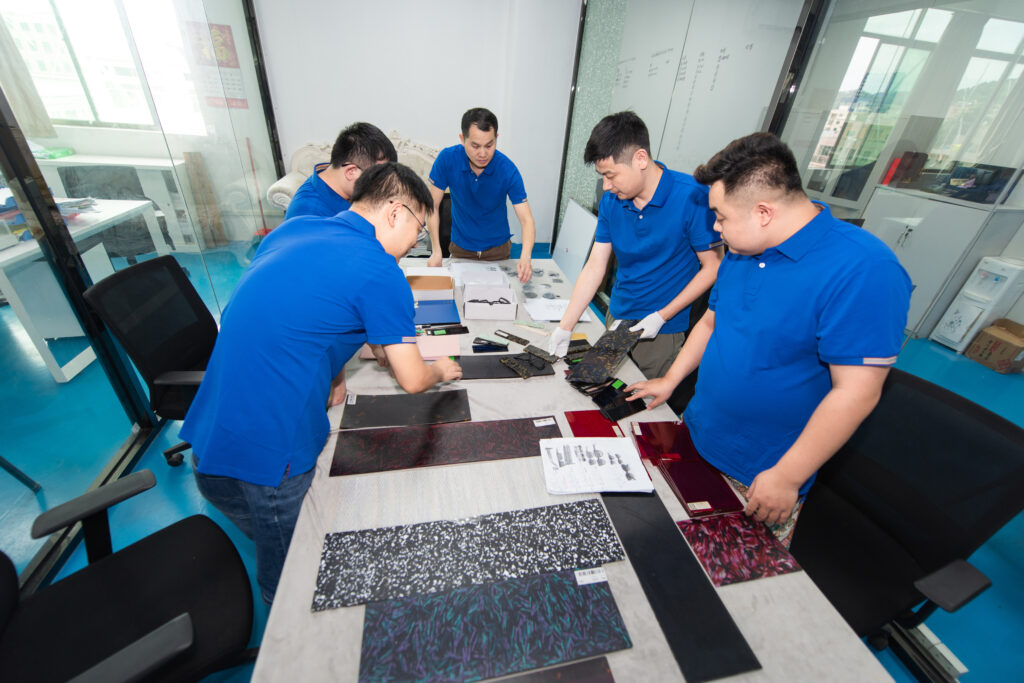
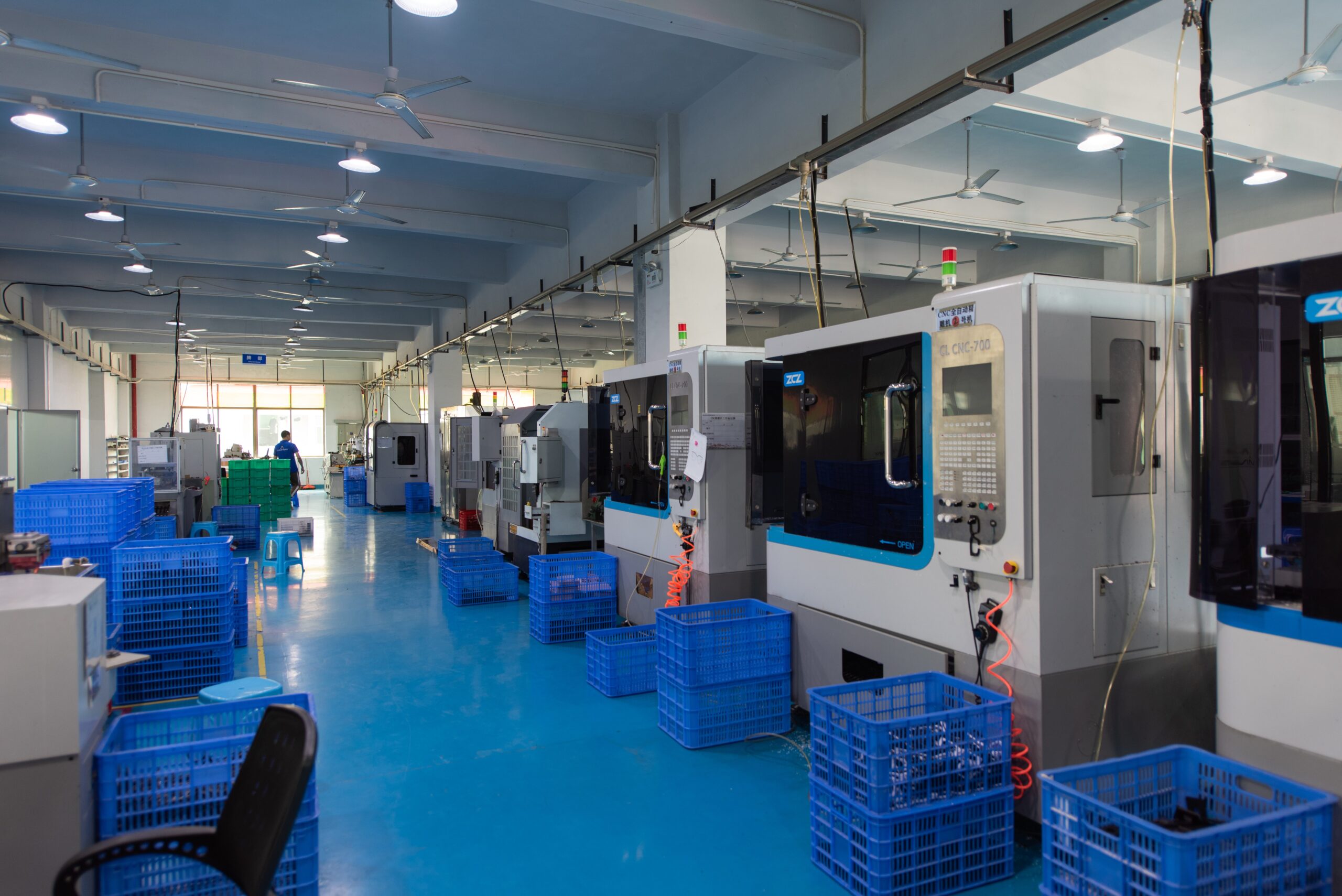
There is no single reliable figure for a sunglasses manufacturing plant cost. An assembly workshop has a different investment profile from a facility that machines acetate, moulds frames, forms metal parts, applies finishes and edges lenses. Country, scale, automation and compliance obligations can change the budget substantially.
Before estimating an eyewear manufacturing plant cost, an investor should define what the proposed factory will actually produce. This guide explains the main cost categories and why many brands choose an experienced manufacturing partner instead of building a facility for their first collections.
1. Define the manufacturing scope
“Eyewear factory” can describe several business models. One operation may focus on product development, final assembly and inspection while sourcing frames, lenses or components from specialised suppliers. Another may carry out numerous processes under one roof. Neither model should be evaluated without mapping the production flow.
Start by defining:
- Product categories: acetate, injection-moulded, metal, titanium, sports or mixed-material eyewear
- Intended monthly capacity and number of styles
- Processes performed internally and those outsourced
- Level of customisation and tooling ownership
- Target markets and applicable regulatory obligations
- Required development, testing and quality-control functions
This scope determines the premises, utilities, workforce, equipment and management systems. A broad estimate copied from an unrelated factory is unlikely to support a sound investment decision.
2. Premises, infrastructure and environmental controls
The building must support the selected processes and a safe, efficient material flow. Costs may include rent or land, fit-out, electrical capacity, compressed air, ventilation, lighting, water, fire protection, security and material storage. Certain activities can require dust extraction, temperature control, wastewater management or other environmental measures.
Local labour, building, occupational-safety and environmental rules require qualified local advice. Investors can use the International Finance Corporation’s Environmental, Health and Safety Guidelines as a high-level reference, while recognising that local law and process-specific requirements govern the actual project.
3. Production machinery and tooling
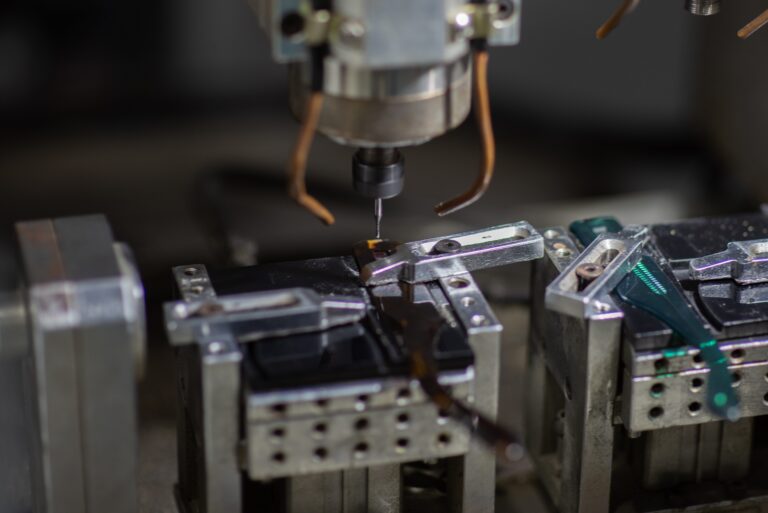
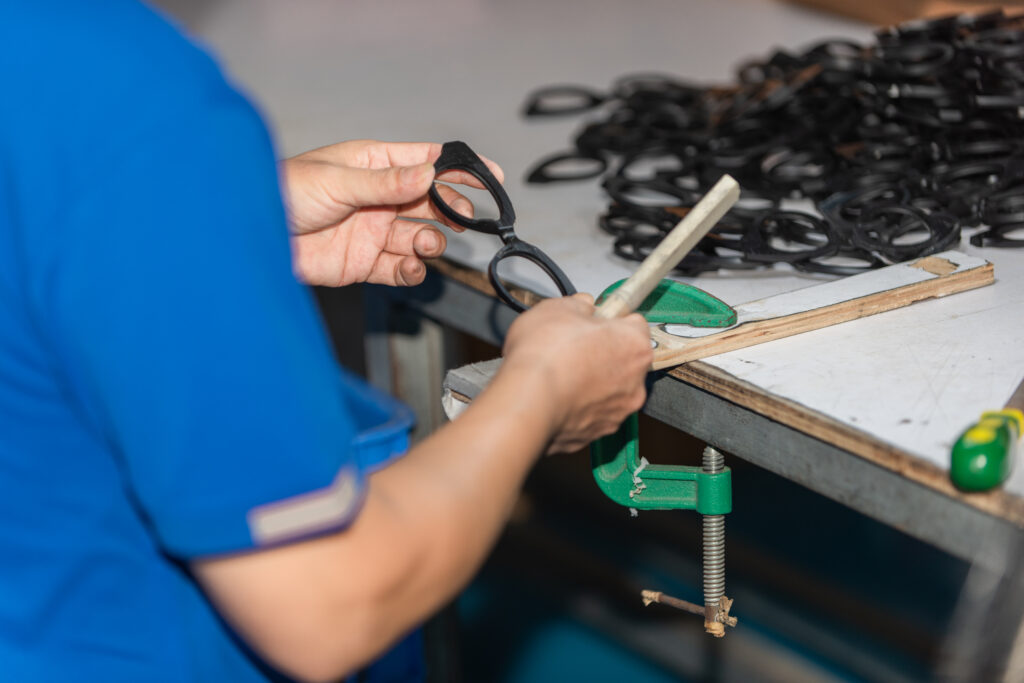
Equipment needs depend on materials and process choices. An acetate line may involve cutting or CNC machines, drilling, heating, forming, tumbling, polishing and assembly equipment. Injection-moulded frames can require moulding machines, dryers, temperature-control systems, moulds and auxiliary equipment. Metal production can add stamping, wire forming, welding or brazing, polishing and surface-treatment requirements.
Lens preparation may require tracing, edging, drilling, grooving, cleaning and inspection equipment. Packaging and warehousing also need benches, printers, handling equipment and storage systems.
4. Product development and pre-production expense
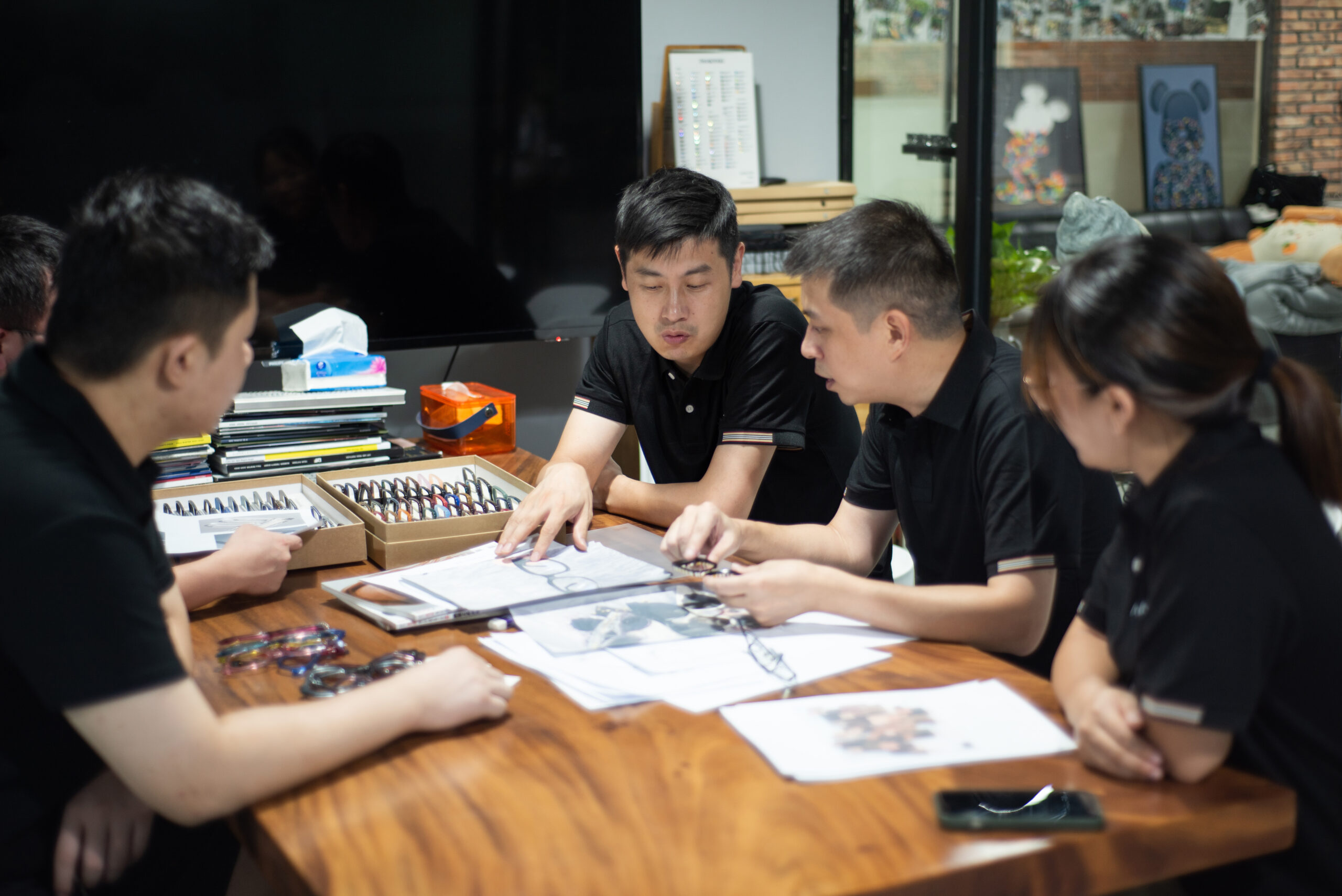
A factory cannot depend on machinery alone. Commercial eyewear production requires design interpretation, engineering, technical drawings, material sourcing, sample-making, revisions and production preparation. Software, computers, prototyping equipment and skilled technical staff can represent a meaningful investment.
Brands that do not plan to establish their own facility can work through an established OEM eyewear manufacturing route. This allows a buyer to focus on product specification, approvals and sales without funding an entire plant. The correct comparison is not only factory capital expenditure versus a supplier’s unit price; it must include utilisation, management, quality risk and working capital.
5. Labour, training and management systems
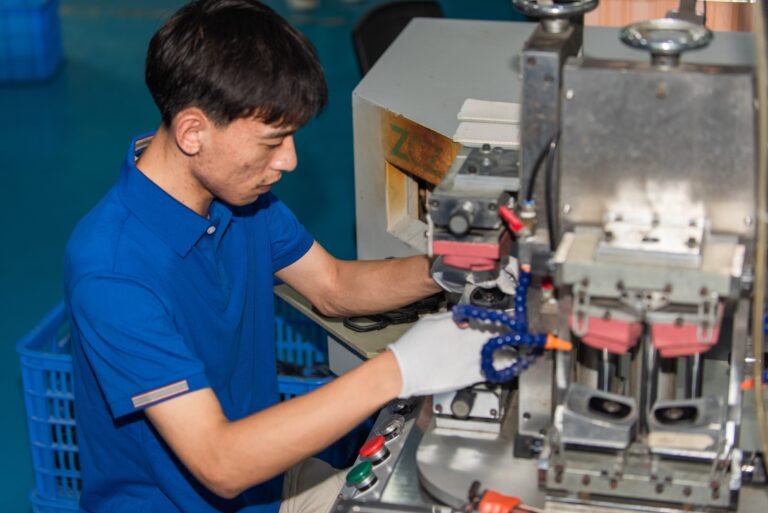
Eyewear production combines machine operations with detail-oriented manual work. Staffing may include engineers, tool technicians, machine operators, polishers, assemblers, lens technicians, inspectors, warehouse personnel, maintenance staff and production managers. Recruitment and training costs vary by location and process complexity.
Quality depends on documented procedures, controlled specifications and competent supervision. A quality-management system requires time, training, records and internal review. ISO provides an overview of ISO 9001 quality management principles, but certification should not be treated as a substitute for product-specific capability and control.
6. Testing, inspection and market compliance
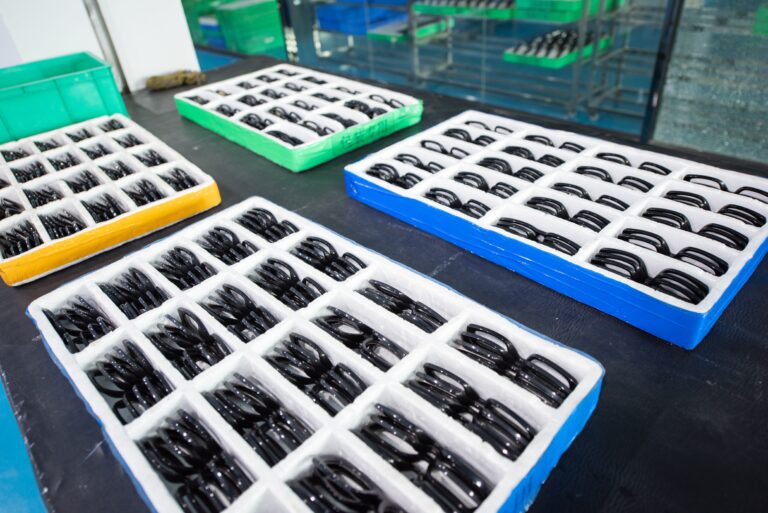
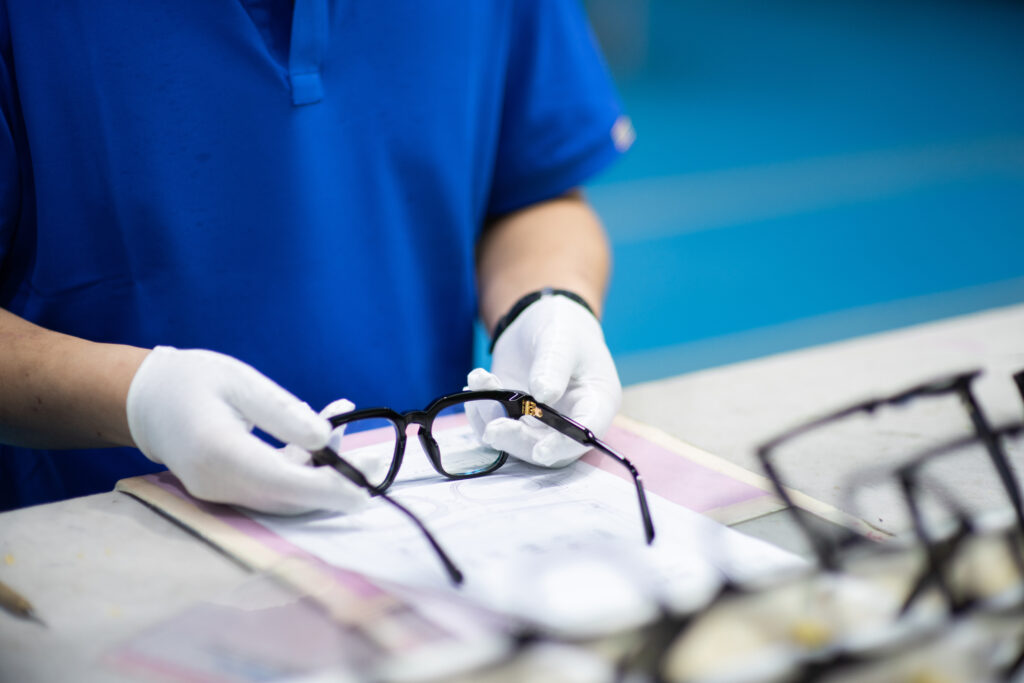
Inspection equipment can range from basic dimensional and visual tools to specialised lens and durability test systems. The correct setup depends on the products and markets served. Some verification may be performed by qualified external laboratories rather than in-house, especially where accreditation or specialised methods are required.
Budgets should include sample testing, production inspections, calibration, corrective actions and possible retesting. D Marjan’s eyewear quality-control checklist illustrates the range of product details buyers may need to define and inspect.
7. Working capital and utilisation
Even a fully equipped plant needs cash for raw materials, components, packaging, wages, utilities, freight and receivables. Minimum purchase quantities from component suppliers can tie up funds. Development projects and slow-moving colours may hold inventory for longer than expected.
For an emerging label, D Marjan’s guide to custom sunglasses manufacturing cost, MOQ and timeline can help frame the alternative: purchasing a managed manufacturing service rather than building capacity. Buyers should also assess the supplier through a structured factory and manufacturer selection process.
Evaluate a Shenzhen, China Eyewear Factory Without Building a Plant
Many brands researching sunglasses manufacturing plant cost ultimately compare factory partnerships with owning equipment and managing production directly. D Marjan Opticals provides access to a Shenzhen, China factory operation and eyewear manufacturing network for OEM, ODM and private-label programmes. The factory tour helps buyers understand the production environment before discussing a project.
Frequently Asked Questions
How much does a sunglasses factory cost? There is no responsible universal estimate. Location, scale, product types, internal processes, equipment condition, tooling, testing and working capital must be defined before a budget can be prepared.
Is assembly-only production cheaper to establish? It usually requires fewer internal processes than vertically integrated manufacturing, but costs still include premises, sourcing, assembly control, inspection, packaging, management and working capital.
Should a new eyewear brand build its own plant? Most startups should first compare the capital, expertise and utilisation risk of a plant with an OEM, ODM or private-label partnership. The decision depends on the brand’s strategy and resources.
Compare Manufacturing Routes With D Marjan
If your priority is launching an eyewear collection rather than owning production infrastructure, share your product category, design status, target market and estimated quantity with D Marjan. The team can outline a project-specific development and manufacturing route. Capabilities, costs, quantities, testing and timing will be confirmed against the actual brief.