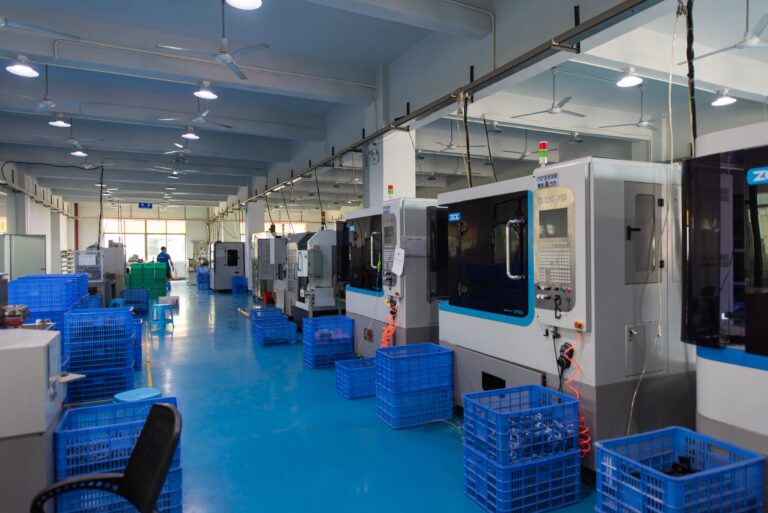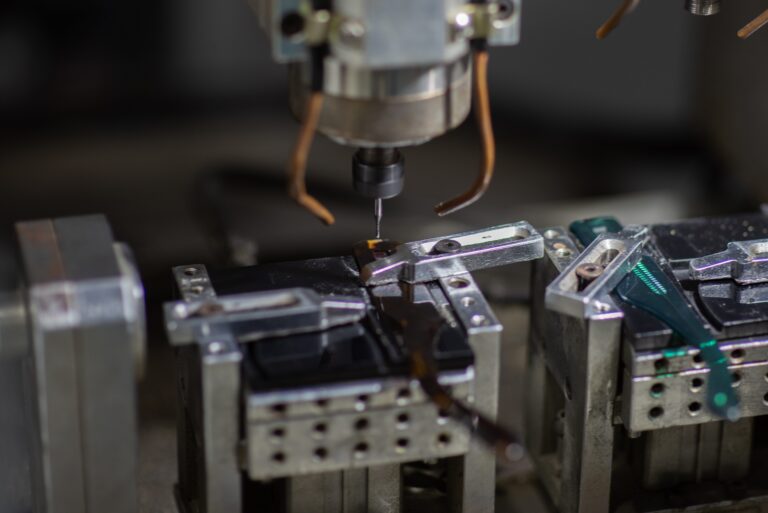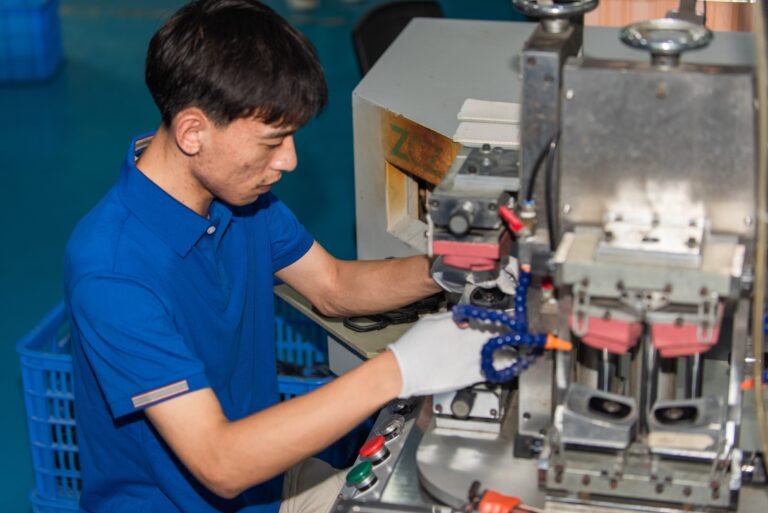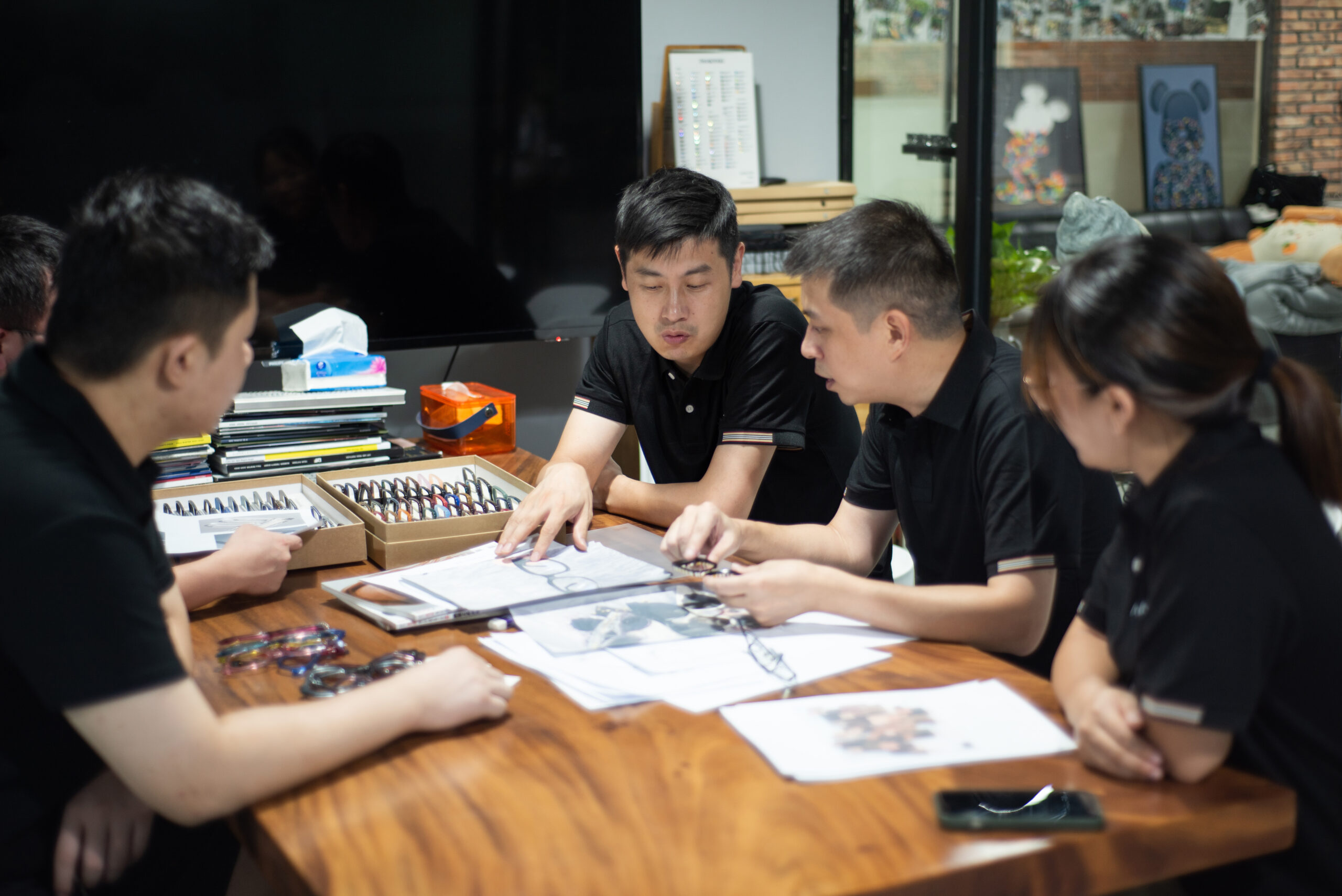
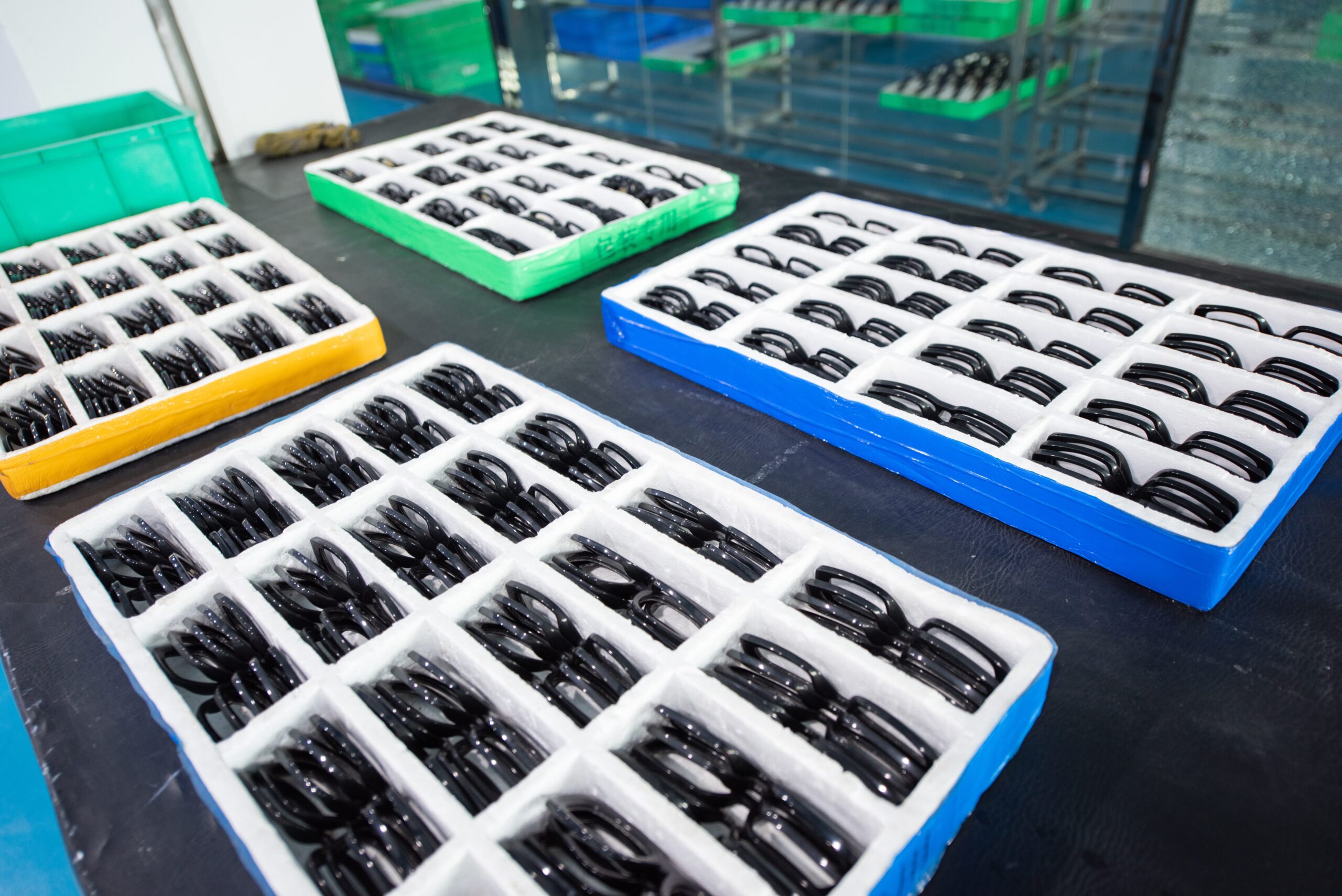
When a brand asks for a quotation, one of its first questions is usually about minimum order quantity. A goggle manufacturer MOQ is not simply a sales number chosen at random. It reflects the materials, components, tooling, colour preparation, assembly work, testing plan and packaging needed to run a commercially workable production batch.
For a new brand, the useful goal is an order structure that controls inventory risk while supporting consistent specifications. The right quantity depends on the goggle type, intended use and customization.
What does MOQ mean in goggle manufacturing?
MOQ is the minimum number of units a supplier will produce under a defined specification and price. It may apply to an entire order, model, colour or lens option, so buyers should request a written breakdown.
A quotation may allow several colours within one total but require a minimum per colour. Another may set a threshold for each frame-and-lens combination. Packaging suppliers can have separate minimums.
D Marjan’s guide to low-MOQ eyewear manufacturing explains how brands can structure a launch around fewer, better-defined variants rather than spreading an initial budget across too many stock-keeping units.
The main factors that affect a goggle manufacturer MOQ
1. Existing platform or fully custom construction
Using an existing, suitable frame platform generally requires fewer development steps than creating new geometry and dedicated tooling. A fully custom goggle may require technical drawings, engineering review, prototypes, mould development and trial runs before bulk production.
2. Frame, lens and strap customization
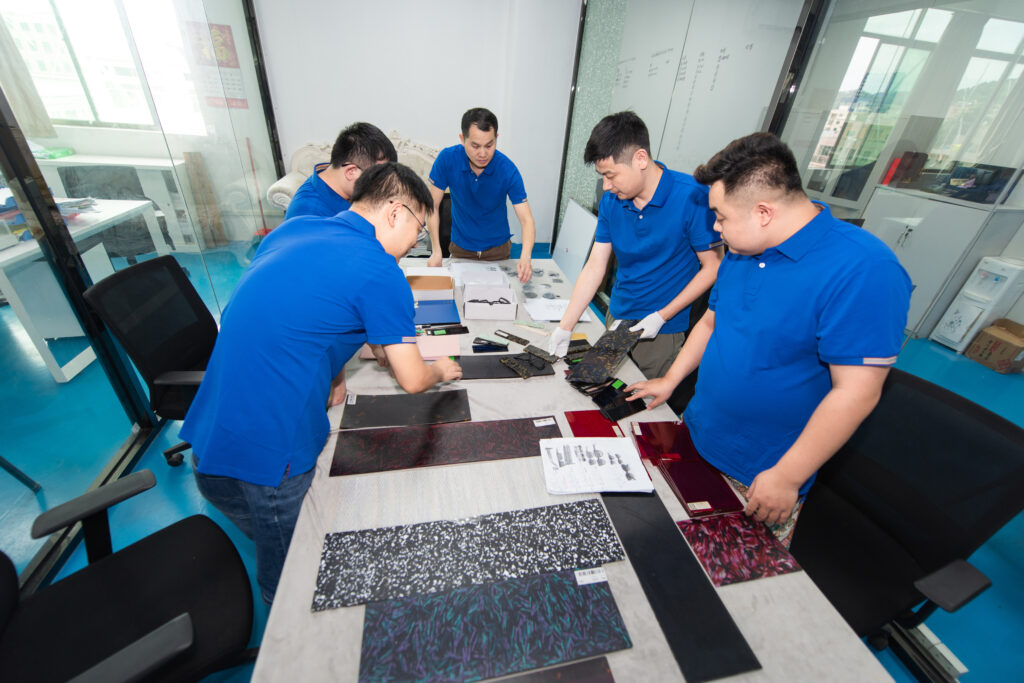
Every added variant affects purchasing and production planning. Custom frame colours may require material preparation or colour matching. Multiple lens tints or coatings can involve separate production batches and approval samples. Woven straps, silicone details, buckles and printed branding may each come from a specialist component supplier with its own minimum quantity.
Brands can review relevant options through D Marjan’s eyewear design and development service before asking for a final production quotation.
3. Tooling and component commitments
If custom tooling is involved, the buyer should clarify who pays for it, what it covers, how revisions are handled, where it is stored and whether future production remains subject to component availability. These points belong in the commercial agreement rather than in an informal chat.
4. Testing and intended market
A fashion goggle, sports goggle and protective product can have different performance and regulatory considerations. The responsible brand or importer should identify the intended use and destination market before development. Testing cannot be selected accurately if the product category is vague.
For general spectacle-frame requirements, ISO 12870 is a useful standards reference. Products marketed for a particular sport, industrial task or protective purpose may fall under other requirements. D Marjan should confirm the proposed testing route for the specific project, while the brand confirms its legal responsibilities in each sales market.
How to request an accurate MOQ quotation
A factory can provide a more useful response when the enquiry contains more than a logo and a target price. Prepare a short product brief with:
- intended product category and market;
- reference images or technical drawings;
- expected frame material and construction;
- lens type, tint and coating direction;
- strap, hardware and branding requirements;
- quantity per model and colour;
- packaging level and target launch date;
- required tests or buyer-specific inspection plan.
Ways to keep a first order manageable
Reduce complexity by limiting unique combinations. One strong model with two selected colours is easier to approve and replenish than several designs with many lens and strap variants.
Brands should complete eyewear sampling and prototyping before committing to bulk production. A sample is where the team can review fit, visual balance, moving parts, branding and packaging assumptions. Changes made after bulk materials are ordered are more disruptive and may create additional cost.
Quality control should not shrink with the order
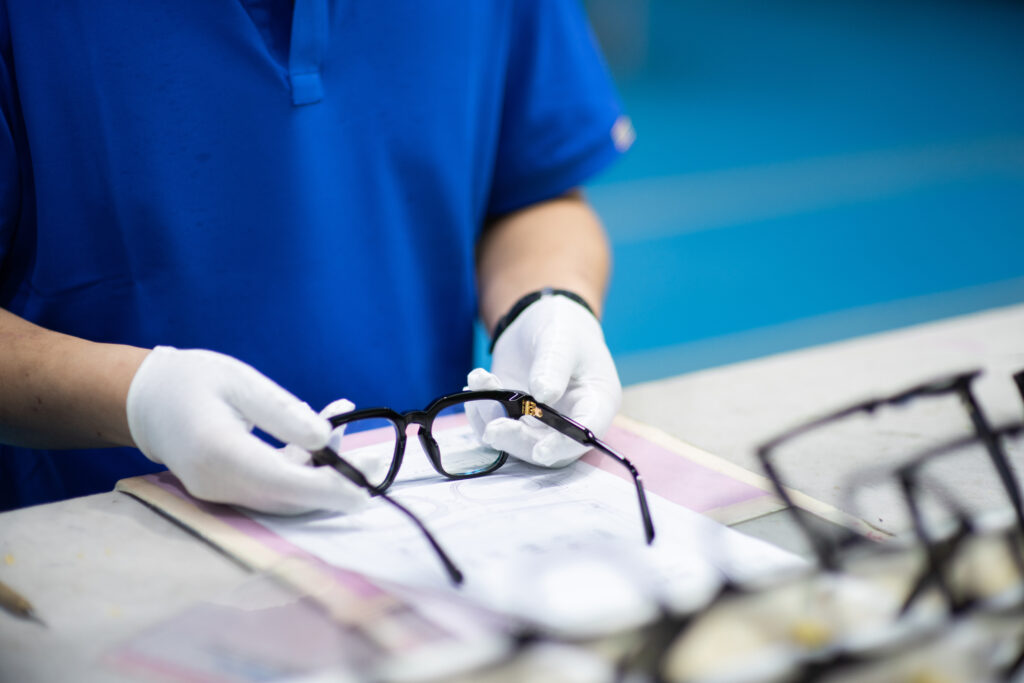
A smaller batch still needs an approved reference, written specifications and an inspection plan. Checks may cover appearance, key dimensions, assembly, lens seating, strap attachment, logo position, packaging and other project-specific requirements. The exact plan should reflect the product and sales market.
D Marjan’s eyewear quality-control overview shows why measurable acceptance criteria are more useful than broad instructions such as “premium quality.” A brand should agree on defect classifications and shipment-release responsibilities before production begins.
Plan Goggle MOQ With a Shenzhen, China Factory
D Marjan Opticals helps global buyers discuss goggle manufacturer MOQ, component choices, customization and production planning through its Shenzhen, China factory operation. The route can support sports goggles manufacturing, private-label goggles and custom eyewear programmes. Brands should align quantities with the sampling and prototyping process before bulk production.
Frequently Asked Questions
Is there one standard MOQ for all custom goggles? No. Quantity depends on construction, tooling, colours, lenses, straps, packaging, testing and component-supplier requirements. A written product brief is needed for a project-specific answer.
Can several colours be combined in one order? Sometimes, but a minimum allocation may still apply to each colour or lens combination. The quotation should state whether the MOQ is per order, model, colour or SKU.
Does private-label branding always require new moulds? No. Some branding methods can be applied to an existing suitable platform, while structural changes or moulded details may require new tooling. Feasibility must be reviewed against the design.
Plan Your Goggle Project With Clear Assumptions
Send D Marjan your intended use, reference design, target variants, expected quantity and destination markets. The team can review the development route and provide a project-specific MOQ structure without treating an unverified general number as a promise. Contact D Marjan to begin the discussion.