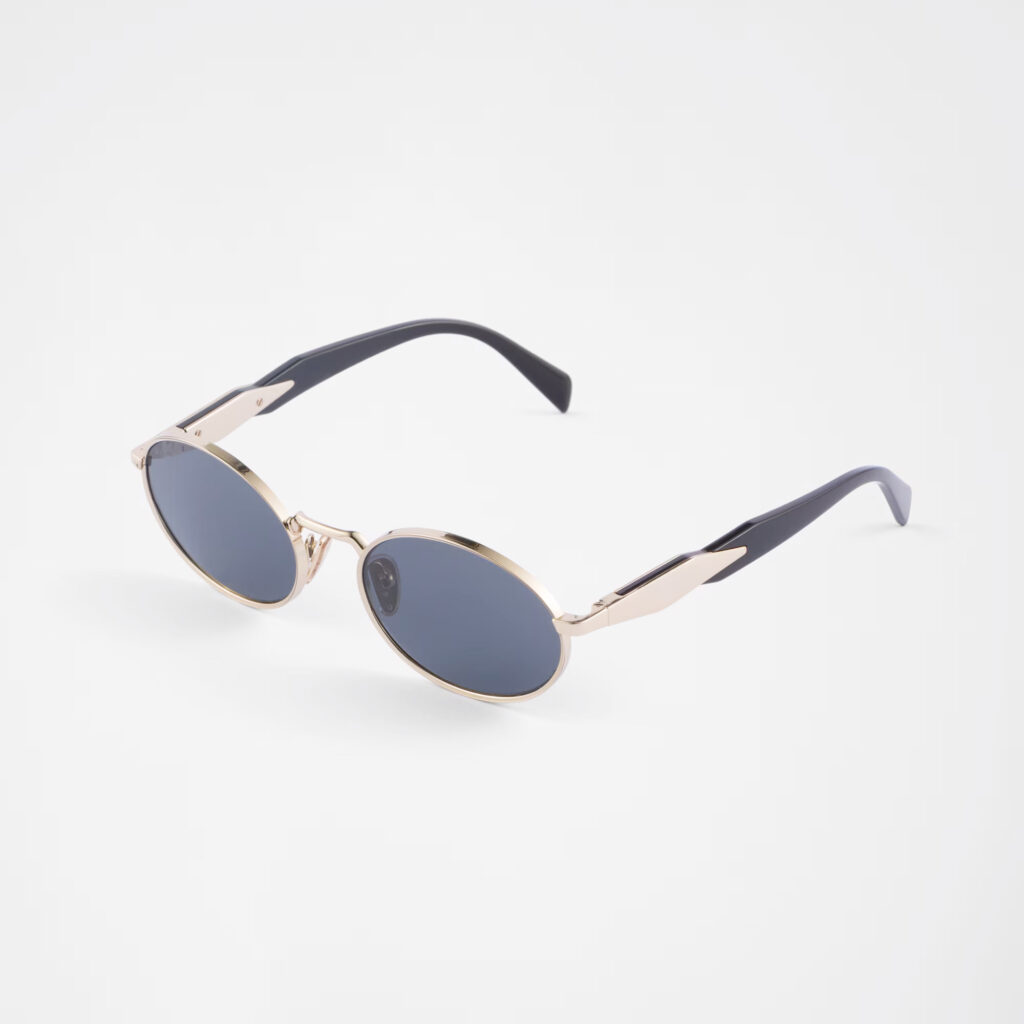
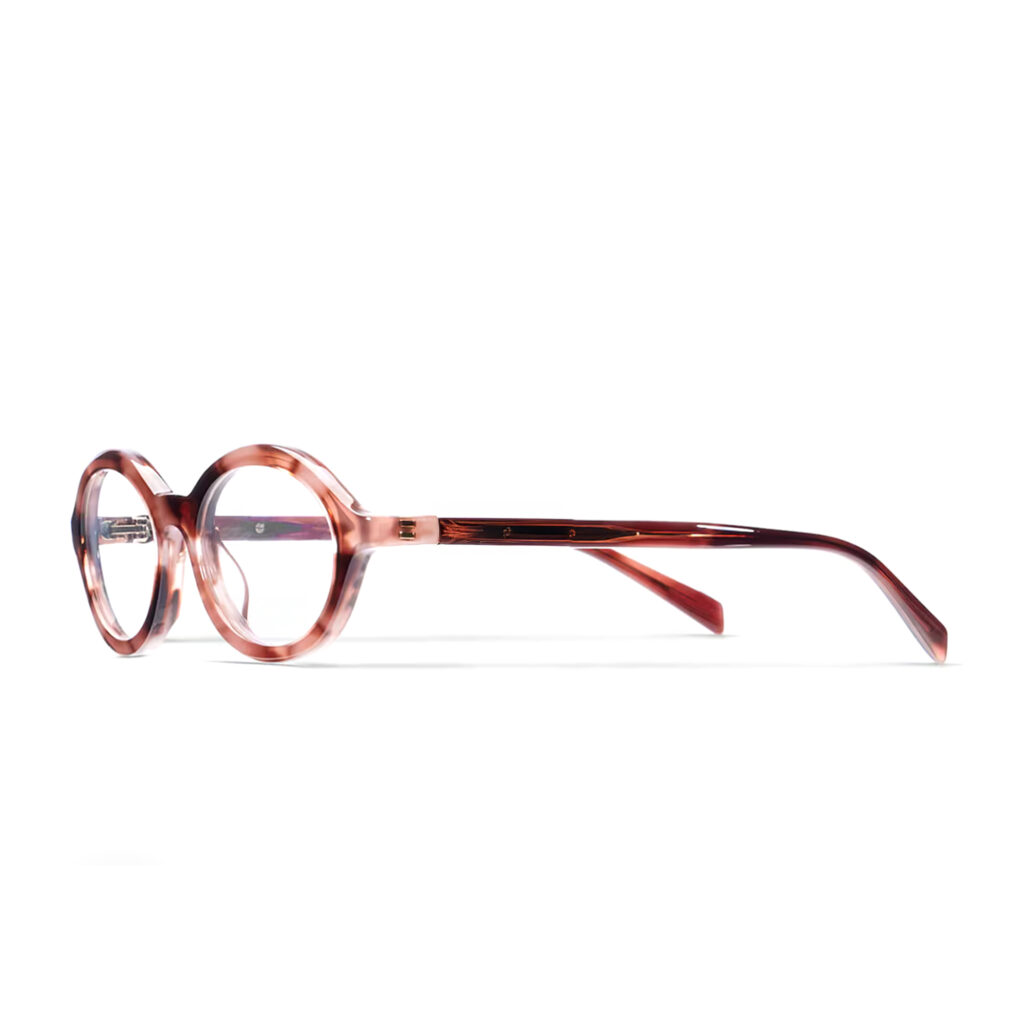
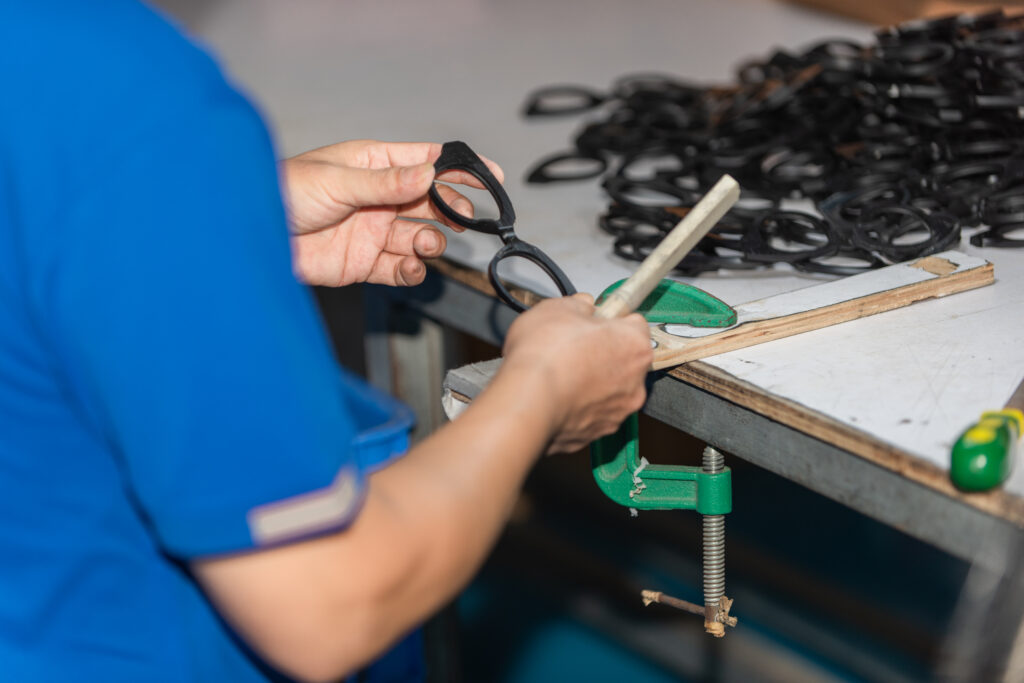

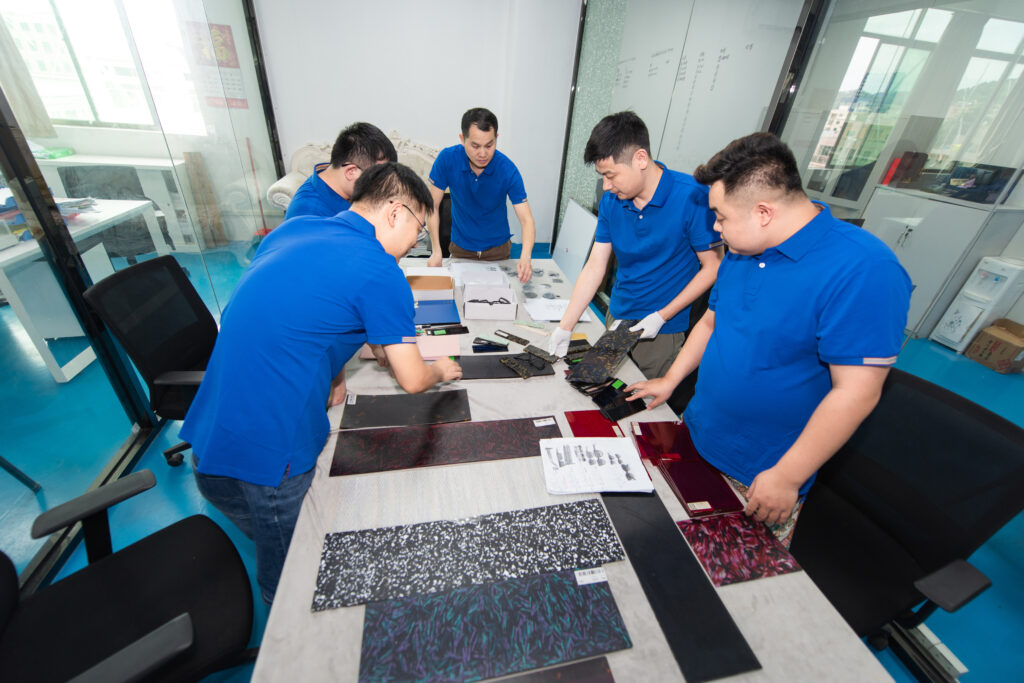
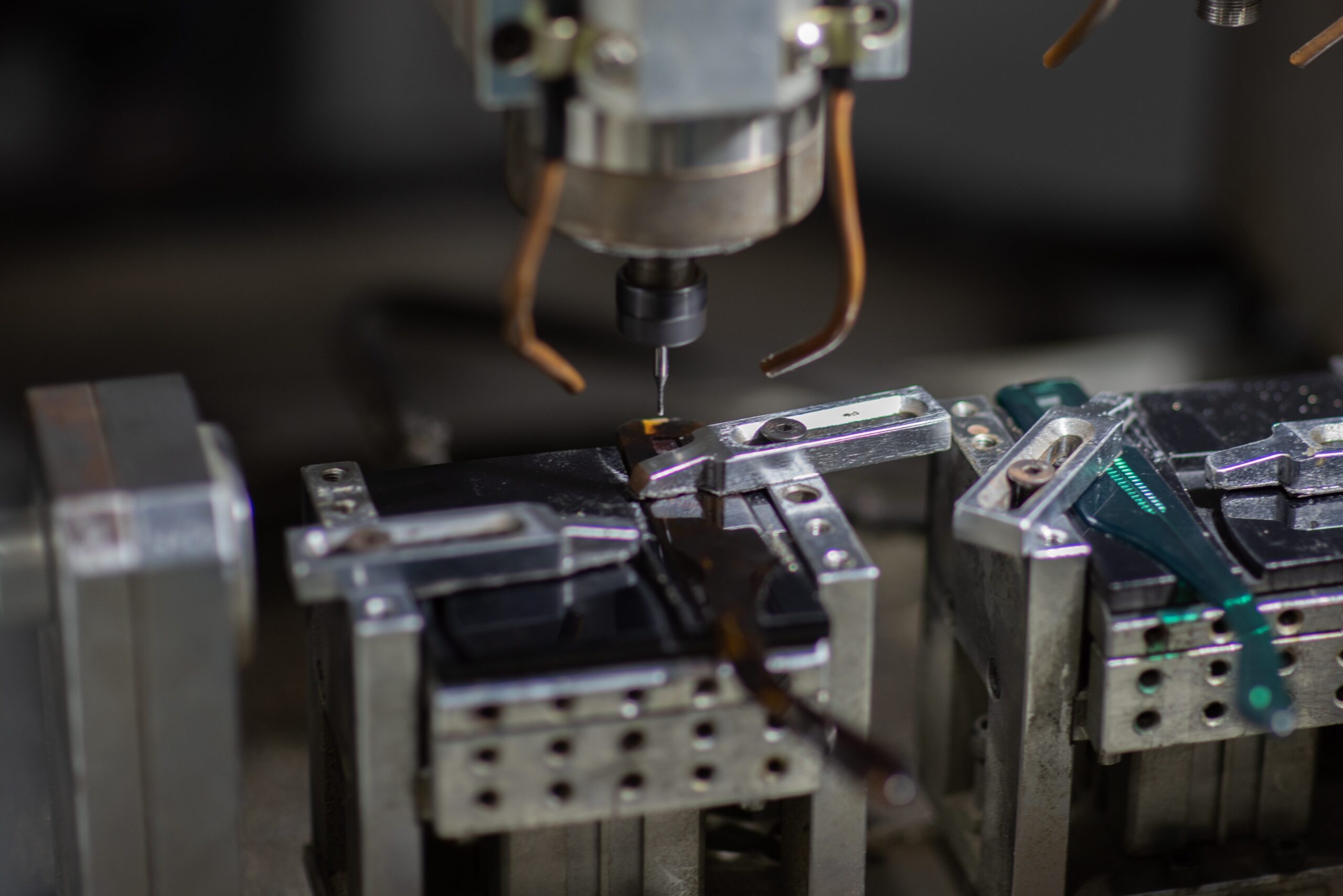
Sports eyewear must do more than look dynamic. A successful product needs to remain comfortable during movement, provide the intended coverage and work with the brand’s target activity and price position. That makes sports sunglasses manufacturing a development project rather than a simple exercise in adding a logo to an existing frame.
The route from concept to finished product can involve industrial design, material decisions, lens specifications, tooling, prototypes, wearer evaluation and production inspection. The exact process depends on whether a brand selects an existing model, modifies a platform or develops an original design. A clear performance brief helps the manufacturer recommend a realistic route before sampling begins.
1. Define the activity and wearer before designing the frame
Running, cycling, water sports and general outdoor use can create different requirements. A cycling frame may prioritise a broad field of view and helmet compatibility, while a running model may place greater emphasis on stability, low weight and airflow. A lifestyle-led sports design may instead balance performance cues with all-day wearability.
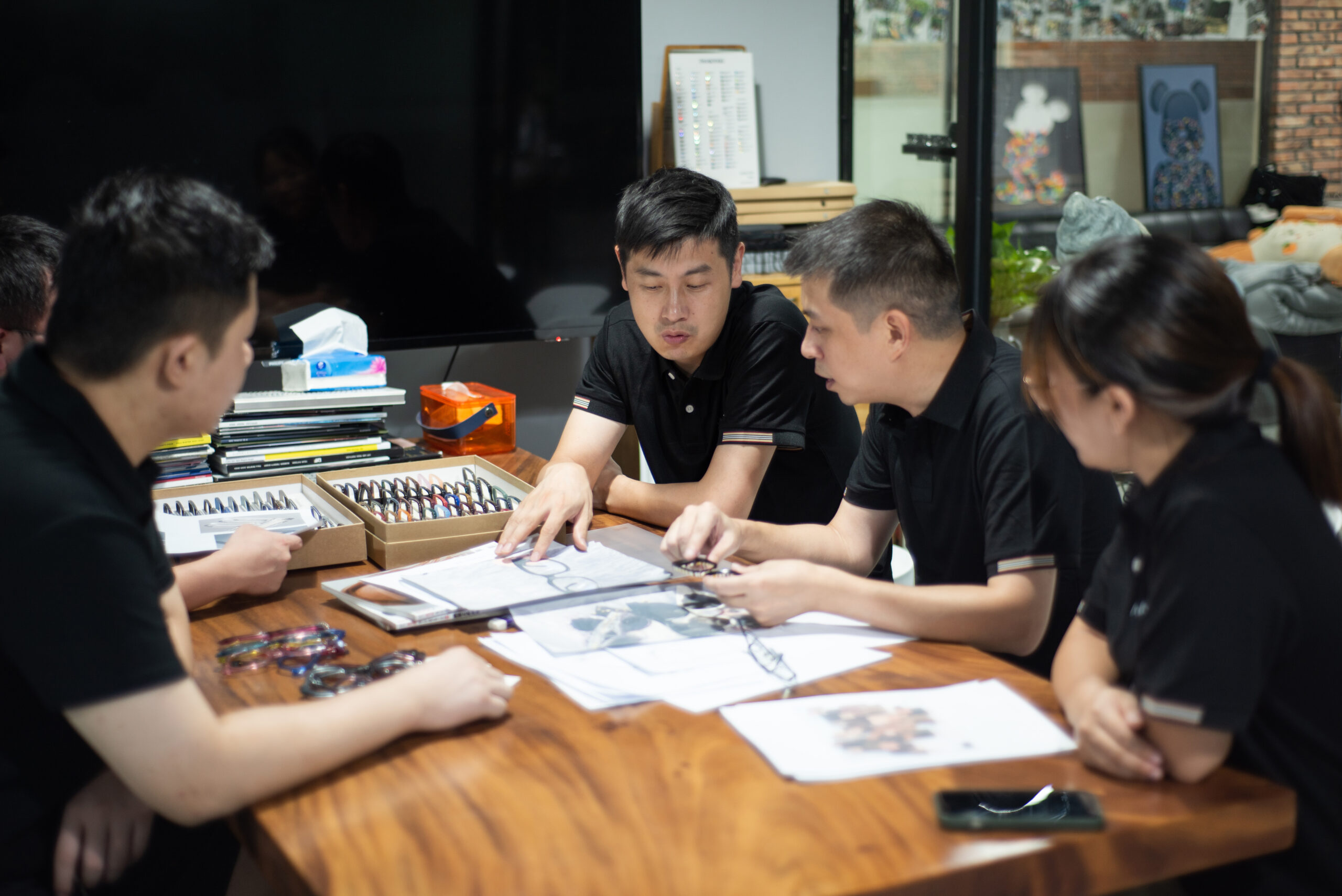
The development brief should identify the intended wearer, use environment, target retail price, preferred fit, styling direction and sales markets. It should also state whether the product needs prescription compatibility, interchangeable lenses, adjustable components or other features. D Marjan’s eyewear design and development service explains how an initial concept can be translated into production information.
2. Select a frame construction and suitable materials
Sports frames may use injection-moulded polymers, metal components or mixed constructions. The appropriate choice depends on design geometry, flexibility, weight, finish, tooling budget and expected use. TR90 is frequently discussed for lightweight eyewear, but a material name alone does not guarantee performance. Part thickness, mould design, process control and frame geometry all influence the result.
Contact points also require attention. Temple shape, nose support and frame curvature affect stability and comfort. Adjustable nose pads or temple elements may be useful for some concepts, but they add components and assembly considerations. Brands can review broader options through D Marjan’s eyewear material solutions.
3. Engineer the lens specification
Lens decisions can include colour, visible-light transmission, UV protection, polarisation, mirror treatments, coatings, curvature and optical quality. The combination should suit the intended application and the regulations of the destination market.
For example, a dark-looking lens is not automatically evidence of appropriate UV performance. Polarisation can help reduce reflected glare, but it should serve the product brief rather than a marketing trend. Brands can consult D Marjan’s guide to custom sunglasses lenses, colours and coatings.
Claims such as impact resistance, UV protection or suitability for a particular activity require appropriate substantiation. The applicable requirements depend on the product and market. The U.S. Food and Drug Administration’s guidance on sunglasses and spectacle frames is a useful starting point for products entering the United States. Brands should obtain specialist compliance advice for their precise markets.
4. Develop tooling and functional prototypes
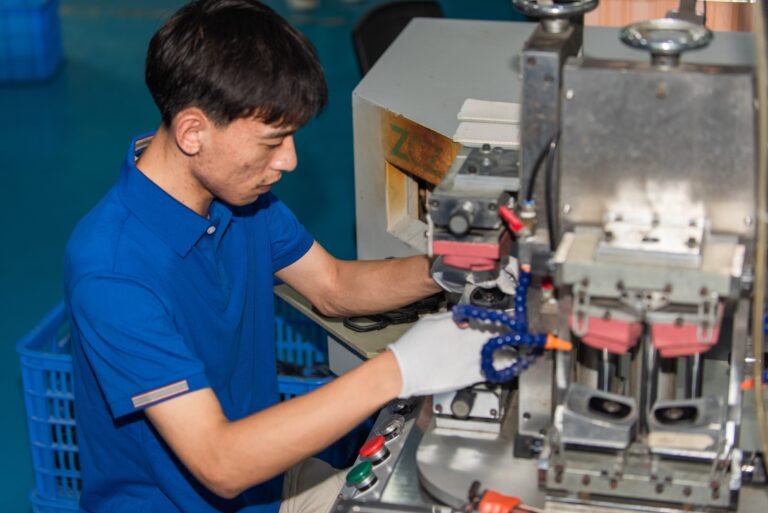
An original injection-moulded design may require dedicated moulds. Before tooling, technical drawings and three-dimensional data should define critical dimensions, curves, interfaces and component locations. A manufacturability review can identify areas that may warp, create assembly difficulty or add unnecessary cost.
Prototype stages vary. Visual samples may help assess form and colour, while functional samples are needed to evaluate fit, lens retention, component operation and overall construction. D Marjan’s sampling and prototyping overview describes why a physical reference is important before bulk production.
5. Plan validation and production quality control
The validation plan should be agreed before production. Depending on the design and destination market, checks may cover dimensions, lens properties, frame deformation, component security, hinge or temple movement, surface finish, logo position, packaging and other relevant characteristics. The appropriate recognised standards and laboratory methods must be selected for the actual product.
ISO 12312-1 specifies general requirements for sunglasses intended for general use, although product scope and market adoption should be checked. Brands can review the standard through the ISO 12312-1 catalogue page.
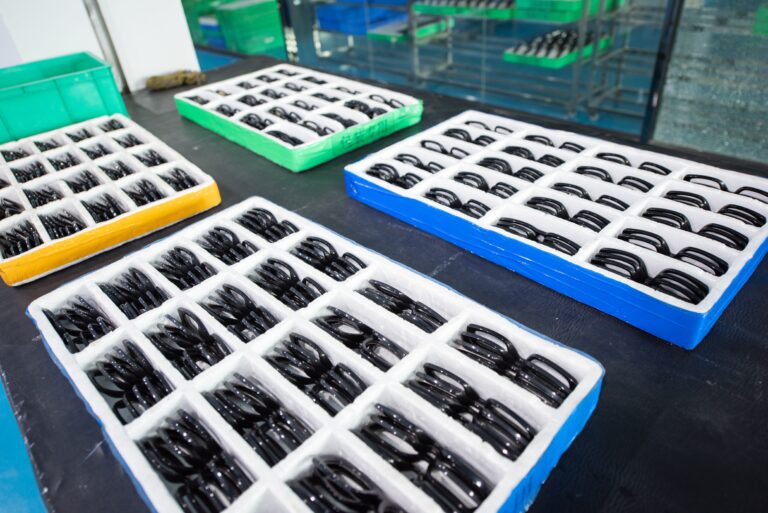
During production, incoming materials, in-process assemblies and completed units can be inspected against approved specifications. D Marjan’s eyewear quality-control guide outlines the value of written criteria and approved references. Inspection cannot correct an unclear specification, so tolerances, defect classifications and testing responsibilities should be settled before the order is released.
Sports Sunglasses Manufacturing for International Brands
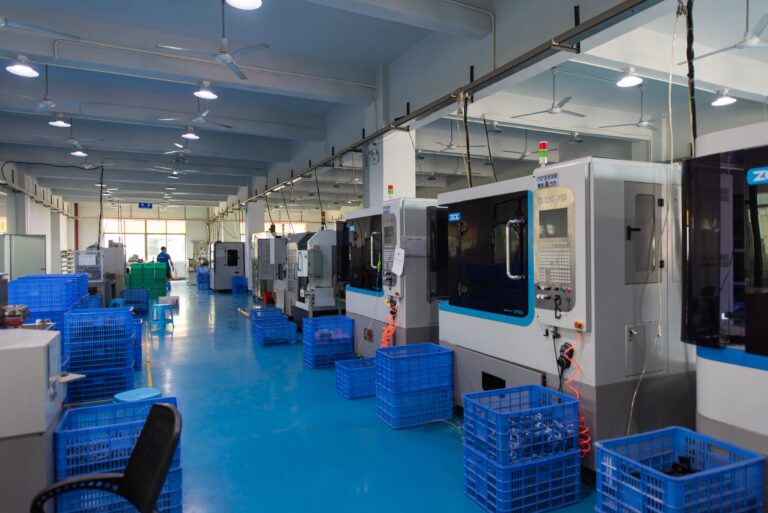
D Marjan Opticals works with international brands planning OEM sports sunglasses, performance eyewear and custom lens-and-frame combinations. Its Shenzhen, China factory operation supports development discussions, samples and manufacturing-quality requirements for global markets. Buyers can review D Marjan’s custom lens colours and coatings when defining the product brief.
Frequently Asked Questions
Can a startup manufacture sports sunglasses from an existing frame? Potentially. An existing platform can reduce development work, but the available branding, colours, lenses, order quantity and exclusivity must be confirmed with the supplier.
Do custom sports sunglasses always require new moulds? No. A private-label or modified design may use existing tooling. A genuinely original injection-moulded construction is more likely to require dedicated tooling.
Is polarisation essential for every sports model? No. It may benefit certain environments, but lens selection should follow the intended activity, user needs, market rules and verified product claims.
Develop a Sports Eyewear Collection With D Marjan
Share your target activity, market, reference designs, dimensions, lens direction, branding and estimated order quantity. D Marjan can review the brief and propose a suitable development, sampling and manufacturing route. Project-specific capability, timing, testing and commercial terms will be confirmed during quotation.