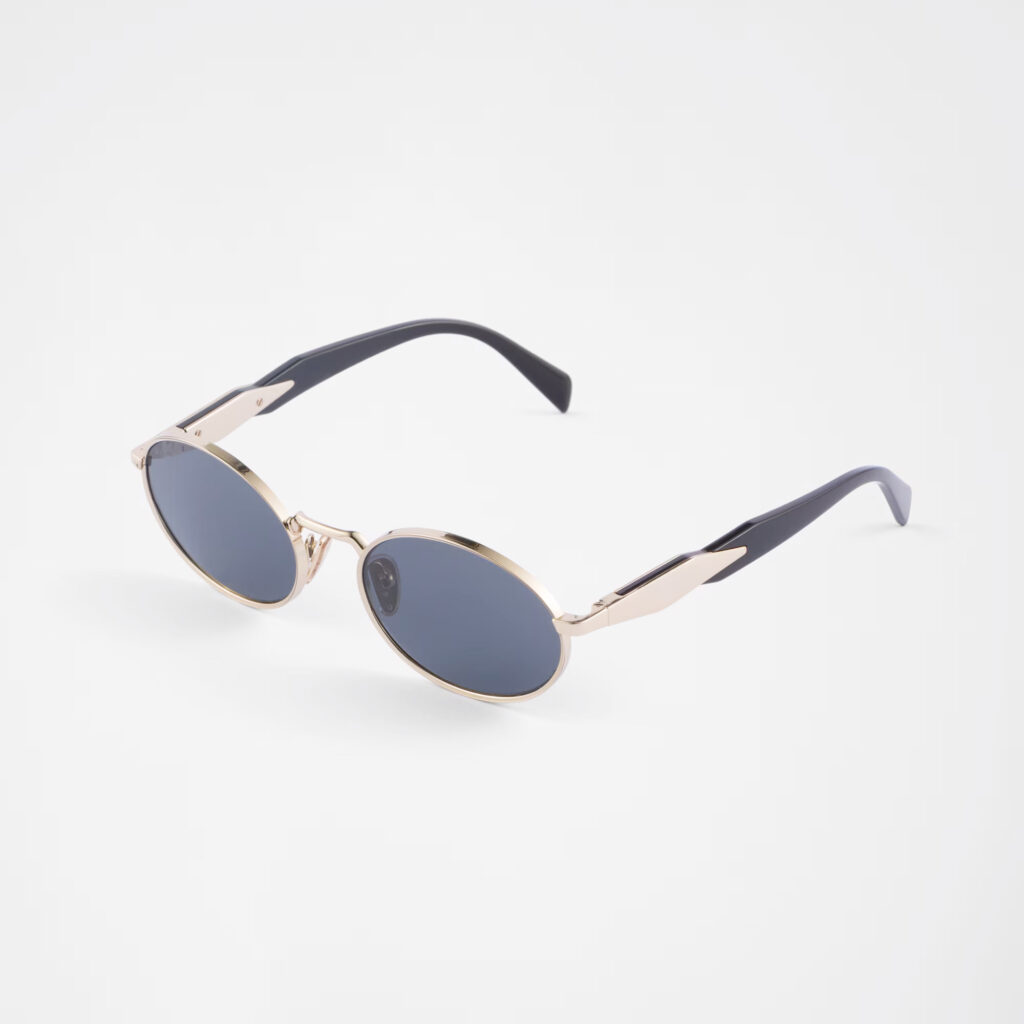
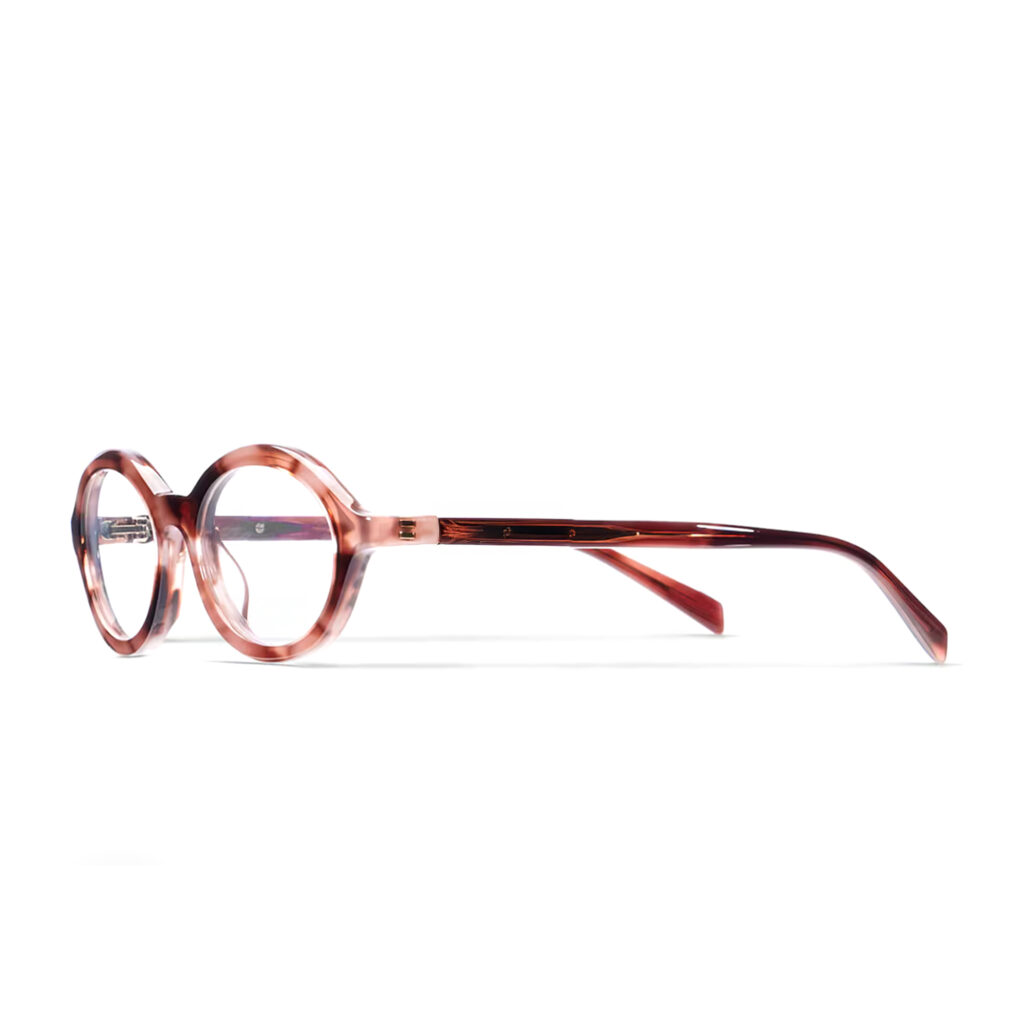
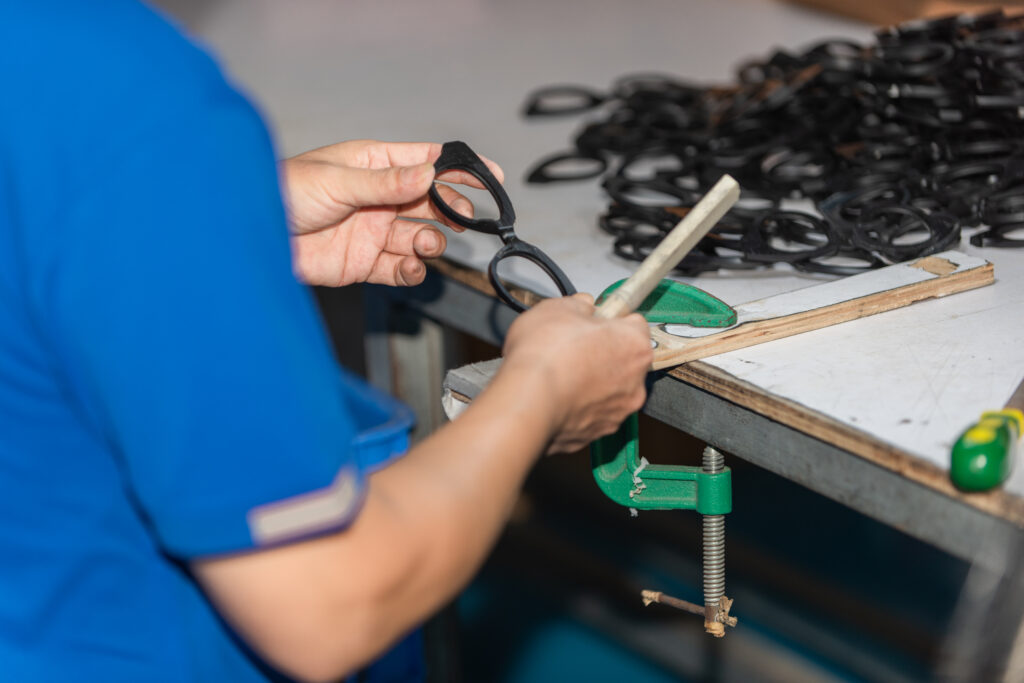
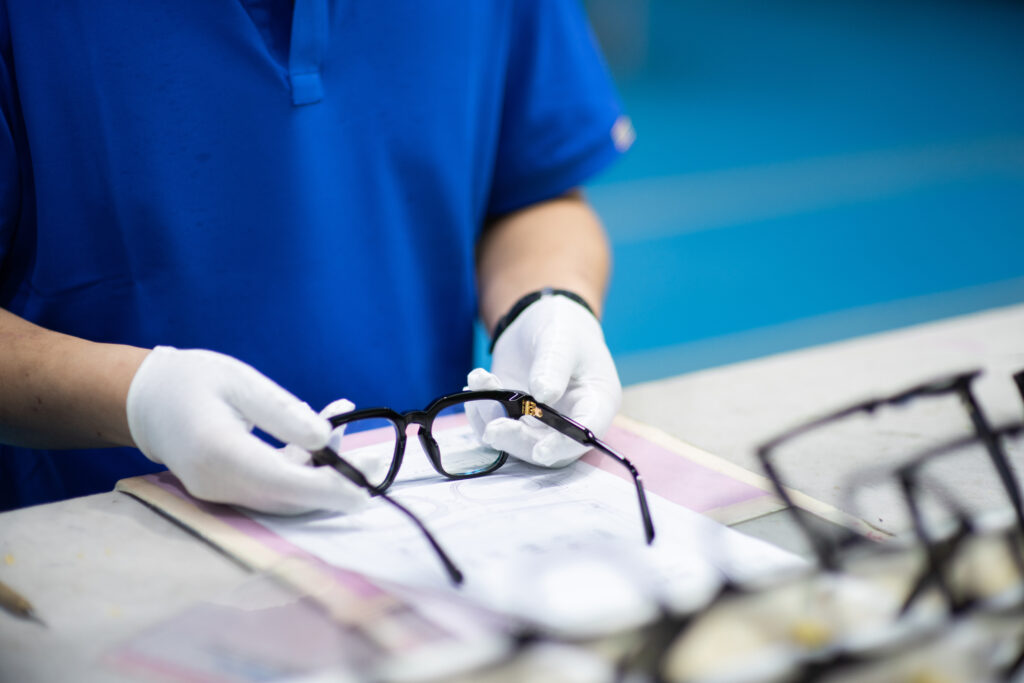
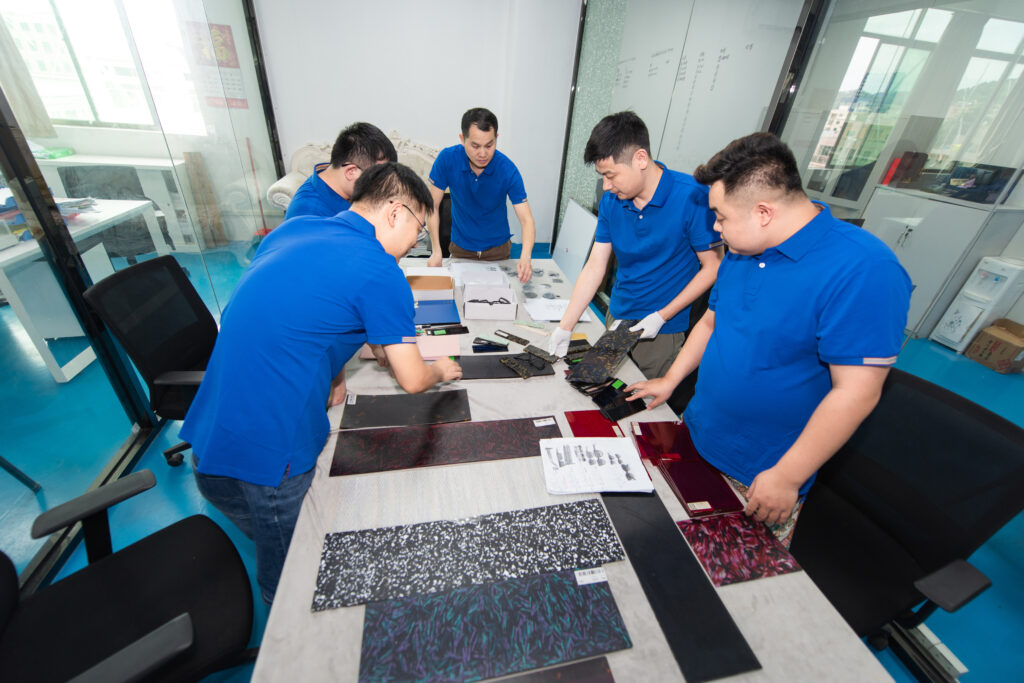
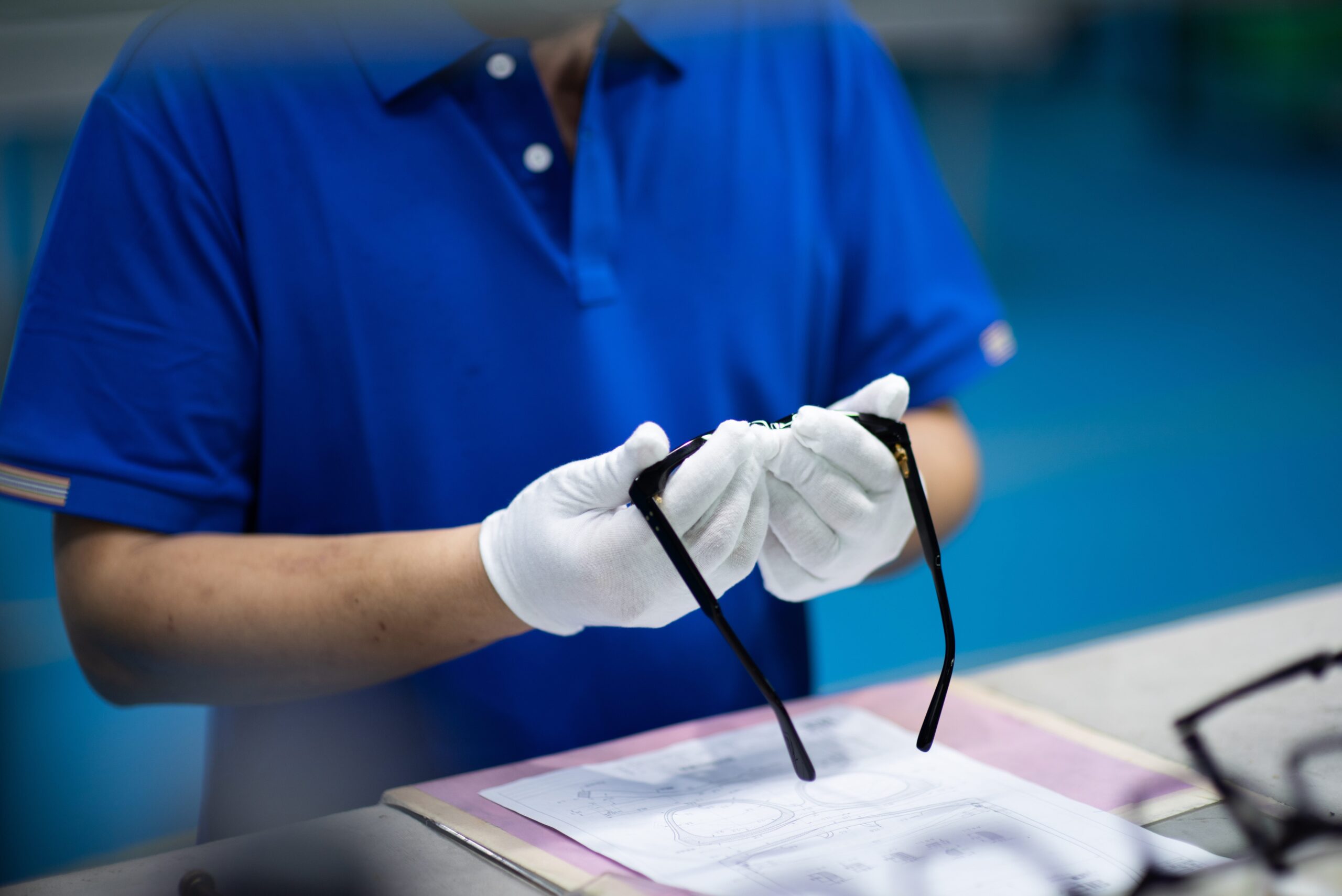
An attractive sample does not automatically guarantee a consistent production order. Eyewear manufacturing inspection turns the approved design into measurable acceptance criteria and checks whether the finished lot matches them. For brands and importers, the aim is not merely to find defects at the end. It is to define quality early enough that the factory, buyer and inspector use the same reference.
The exact inspection plan depends on the product, construction and destination market. Fashion sunglasses, optical frames, sports eyewear and children’s products may require different checks and testing. The checklist below is a practical starting point, not a substitute for product-specific standards or qualified laboratory advice.
1. Establish controlled references
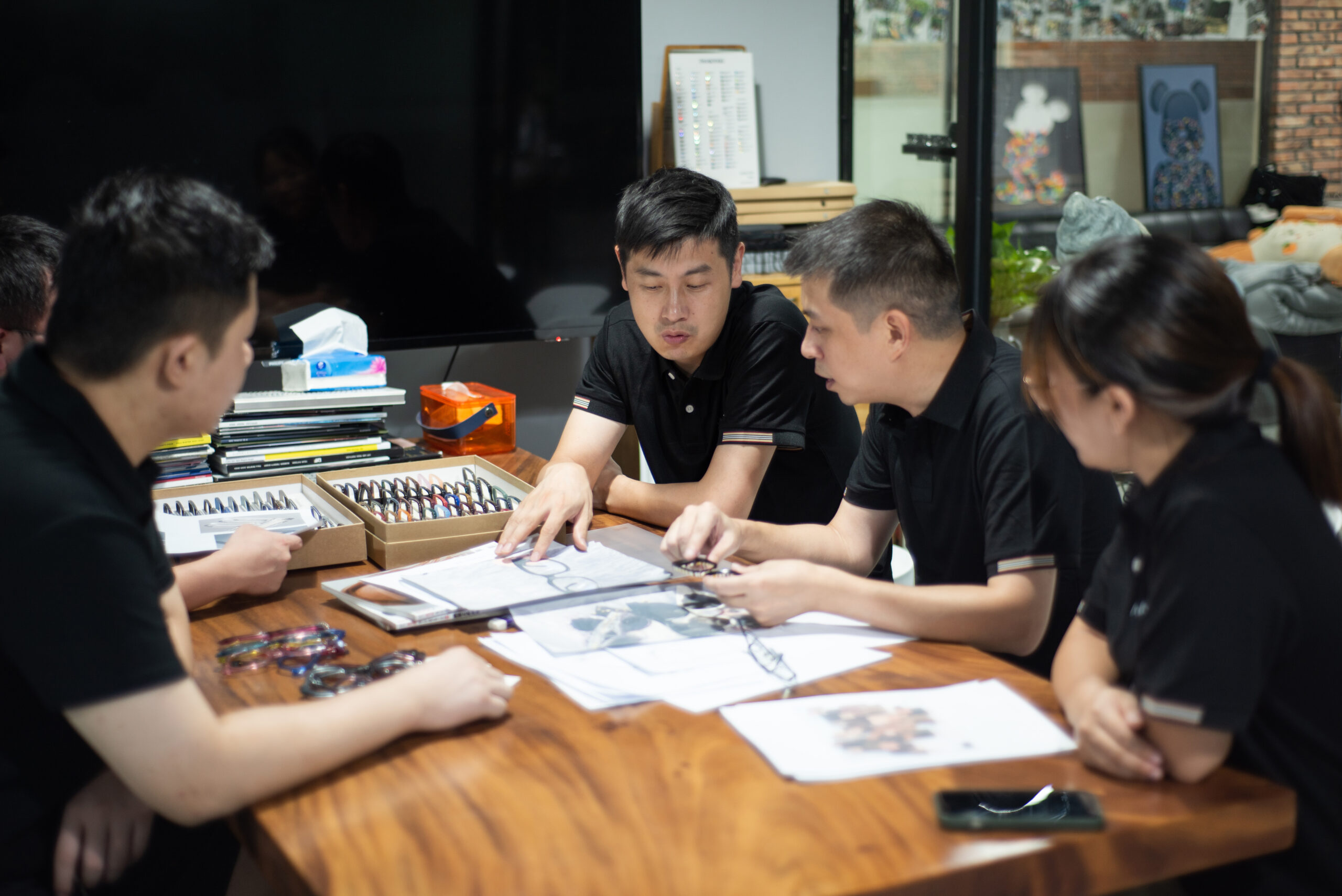
Inspection needs a written specification, approved sample and current artwork. The specification should identify model, colour, dimensions, materials, lens details, finish, hardware, branding and packaging. Record tolerances where dimensions are critical.
The approved sample—sometimes called a golden sample—should be labelled and tied to a revision number. If the buyer approves a later correction through photographs or email, the controlled specification must also be updated. Otherwise, production and inspection may use different versions.
2. Inspect incoming materials and components
Quality control begins before final assembly. Depending on the project, incoming checks may cover frame material, lenses, hinges, screws, nose pads, decorative pieces, logos and packaging. Colour and pattern should be compared under suitable lighting, especially for translucent or patterned acetate.
Component fit also matters. A correct-looking hinge can still create problems if hole positions, screws or tolerances do not suit the frame. Early checks reduce the risk of discovering a systemic component issue after the full order has been assembled.
3. Monitor critical production stages
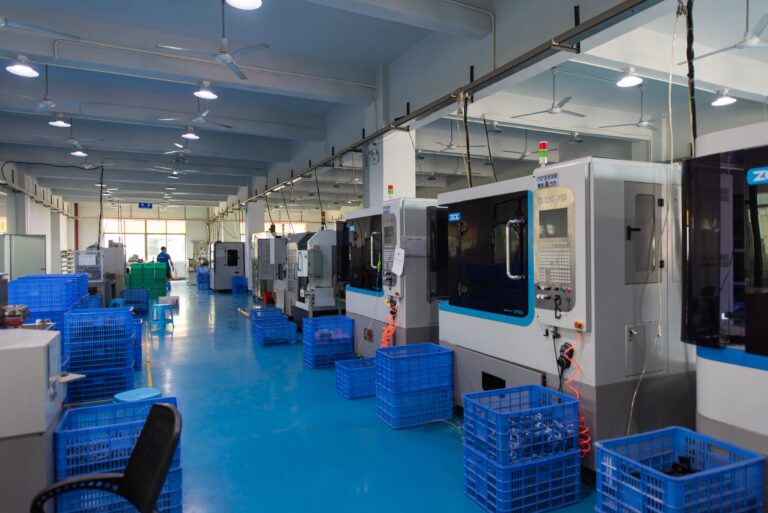
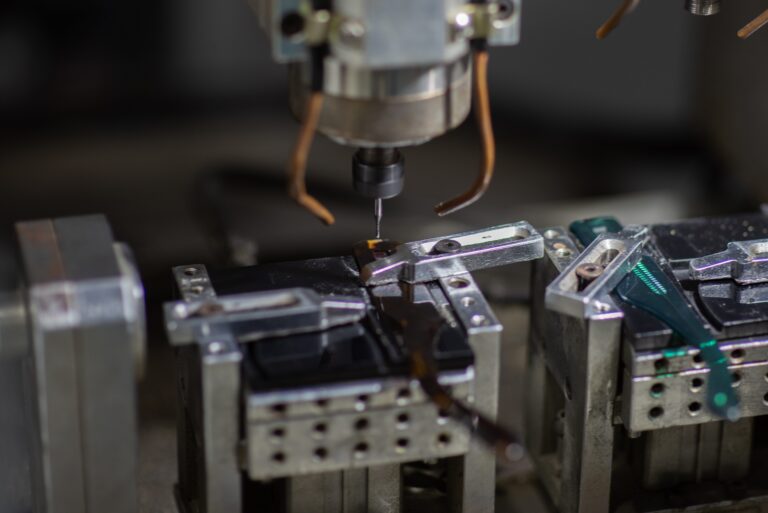
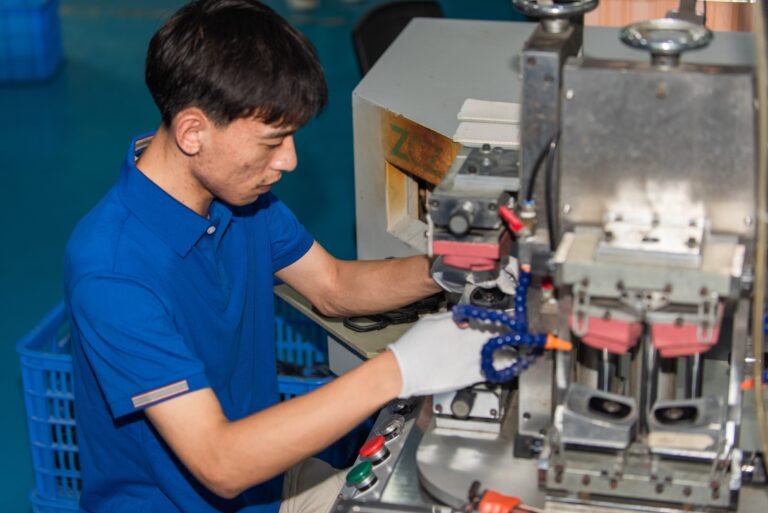
In-process inspection can identify drift before it affects an entire batch. Relevant checkpoints may include machined dimensions, moulded-part warpage, hinge placement, soldered joints, surface finishing, plating, frame alignment and lens fitting.
Not every order needs the same inspection frequency. The production method, order size, supplier history and defect risk should guide the plan. Buyers should avoid inventing a generic claim such as “every piece is checked multiple times” unless the agreed project procedure supports it.
4. Check appearance and workmanship
Final appearance checks may cover scratches, dents, bubbles, stains, uneven polish, plating defects, exposed adhesive, sharp edges, colour mismatch and inconsistent printing. Inspectors should understand which surfaces are highly visible during normal use and how defect severity will be classified.
The approved sample is helpful, but verbal descriptions are not enough. A defect catalogue with photographs can reduce subjective disputes, especially for cosmetic issues. D Marjan’s eyewear quality control service explains how specifications and production references support consistent evaluation.
5. Verify dimensions, symmetry and alignment
Important measurements can include lens width, bridge width, temple length, frame width and selected thicknesses. The inspector may also assess lens-shape symmetry, temple opening, pantoscopic angle, frame twist and whether the product sits evenly.
Measurement tools and tolerance rules should be appropriate to the dimension. A buyer should identify critical-to-quality measurements instead of creating an impractical list of extremely tight tolerances for every feature.
6. Test functional components
Open and close the temples to check movement, resistance and obvious looseness. Review screw condition, hinge seating, nose-pad attachment and decorative components. Folding should be controlled, and temples should not collide unexpectedly.
Functional factory checks do not replace formal laboratory testing. Relevant product requirements may be drawn from standards such as ISO 12870 for spectacle frames. The applicable version and tests must be confirmed for the product and market.
7. Review lenses and eyewear testing needs
Lens inspection may include scratches, chips, optical distortion, colour consistency, coating appearance, fit and cleanliness. Sunglasses may require laboratory evaluation of luminous transmittance, UV performance and other properties. Claims such as polarisation or UV protection should be supported by appropriate evidence, not only a supplier description.
For US distribution, the FDA’s eyewear guidance offers useful regulatory context. Importers should determine all obligations for their exact product.
8. Inspect branding, packaging and quantities
Confirm logo spelling, position, orientation, colour and durability against approved artwork. Packaging checks may cover cases, pouches, cloths, labels, barcodes, instructions, carton markings and protection during transport. Count packed units by model and colour and reconcile them with the order.
The eyewear quality-control checklist can support a project-specific inspection document. Buyers should also confirm whether inspection occurs before or after final packing.
9. Define sampling and shipment-release rules
A random-sampling plan can make large-lot inspection manageable. ISO 2859-1 describes sampling procedures for inspection by attributes, but the buyer must still define inspection level, acceptance criteria and defect classes with competent support.
An inspection report should show lot identity, sample size, findings, photographs and result. A failed result needs a documented response: sorting, repair, replacement, reinspection or another agreed corrective action. Shipment release should be a conscious buyer decision, not an automatic consequence of the inspection date.
Quality Control for a Shenzhen, China Eyewear Factory Project
D Marjan Opticals coordinates eyewear manufacturing inspection requirements for international buyers working through its Shenzhen, China factory operation and production partners. Project plans may cover eyeglass quality control, eyewear testing, pre-shipment inspection and corrective-action evidence. See the D Marjan factory overview for additional production context.
Frequently Asked Questions
What should an eyewear inspection checklist include? It should reflect the approved product and typically cover identity, dimensions, appearance, assembly, lenses, branding, packaging and quantity.
Is final inspection enough? Not always. Material or process risks may justify incoming and in-process checks. The appropriate plan depends on the project.
Does factory inspection replace laboratory testing? No. Factory inspection and formal testing serve different purposes, and required tests depend on product claims and destination markets.
Build Quality Into the Production Brief
Send D Marjan your drawings, approved references, destination markets and expected quantities. The team can help structure sampling and inspection checkpoints for discussion with the relevant production partners. Buyers can also review the eyewear sampling and prototyping process before defining production approval gates. Final standards, testing and acceptance rules must be confirmed for each order.