
Brands evaluating the polarized sunglasses market need more than a trend statement. They need to understand what polarization does, how lens choices affect the product and which evidence should be reviewed before making performance claims. A commercially attractive frame can still create customer complaints if lens specifications, colours or installation quality are inconsistent.
This manufacturing guide focuses on practical sourcing decisions rather than unsupported market-size forecasts.
What polarization adds to a sunglass lens
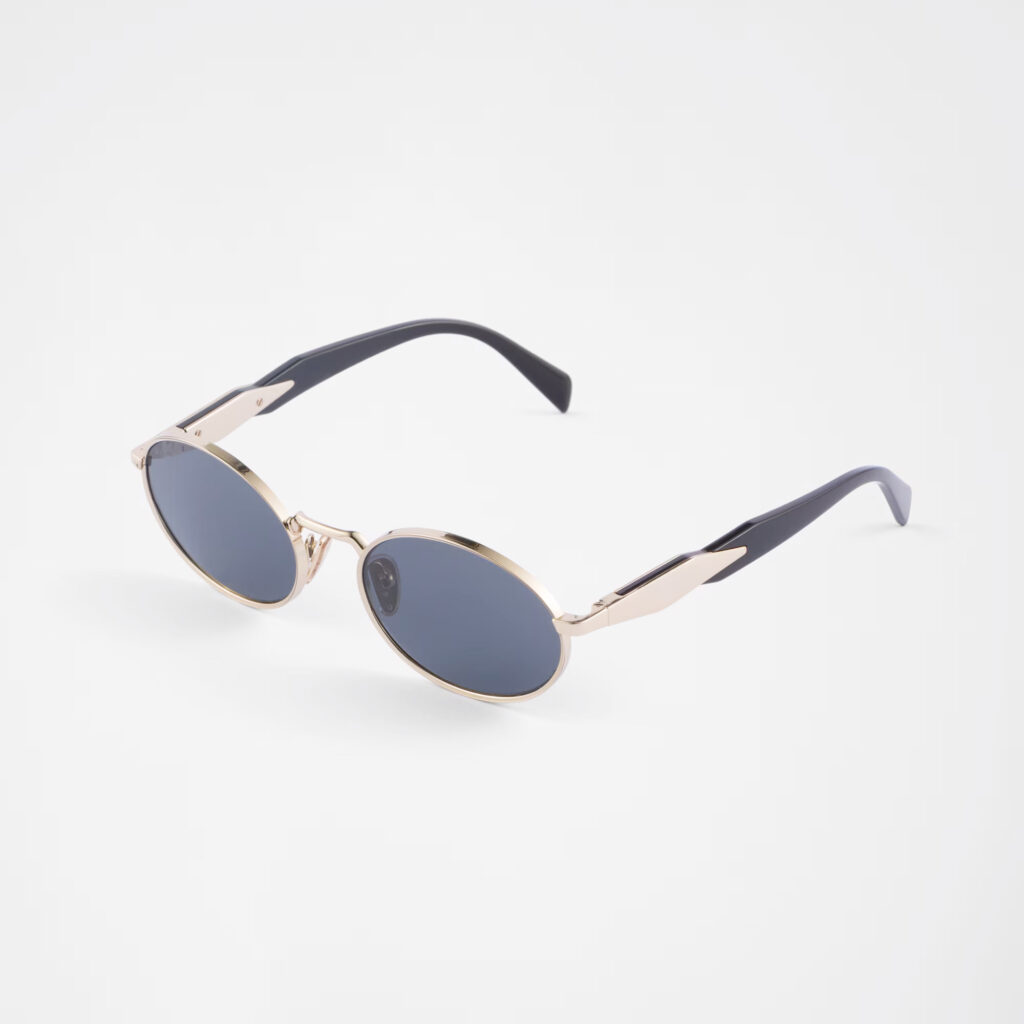
Polarization is designed to reduce certain reflected glare through a filtering layer or structure in the lens. It can be valuable for driving, water-related activities and bright outdoor environments, although suitability depends on the use case. Polarization is separate from ultraviolet protection: a lens should not be assumed to provide the required UV performance merely because it is polarized.
Brands should define both attributes in the product specification and support claims with appropriate evidence. D Marjan’s polarized lens overview introduces the category, while exact performance must be confirmed for the selected lens and destination market.
Match the lens to the collection
The correct lens is not determined by polarization alone. Consider base material, thickness, curvature, colour, gradient, mirror treatment, scratch-resistant treatment and compatibility with the frame. Lens colour can influence visual comfort and fashion positioning, while a mirror or gradient can change the appearance of the complete product.
The frame and lens must be engineered together. Excessive fitting stress can affect lens seating and frame alignment. Higher-wrap designs may require more specific optical and dimensional control than flatter fashion frames. The manufacturer should review the chosen lens shape, groove or mounting method during development.
D Marjan’s guide to custom sunglass lens colours and coatings can help brands organise these options before sampling.
Verify polarization during development and production
A simple demonstration card can show a visible polarization effect, but a sourcing programme should not rely only on a sales demonstration. Ask the supplier to state the approved lens specification and identify the verification or test documentation available for the exact product.
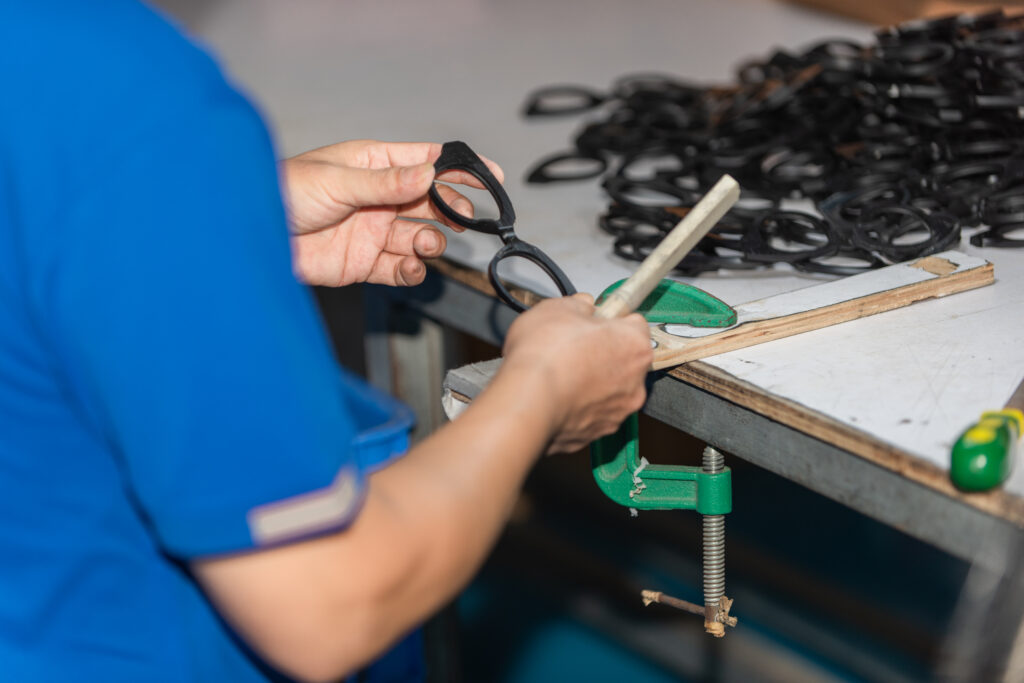
During production, checks should confirm that the correct lens has been installed and that orientation is controlled. The finished product should also be reviewed for scratches, coating defects, colour mismatch, distortion, lens movement and stress around the frame. Establish inspection methods before bulk production and keep the approved lens reference traceable.
The relevant standard depends on intended use and sales market. ISO 12312-1 addresses sunglasses for general use. Buyers can consult the official ISO 12312-1 standard record as a starting point. For products sold in the United States, the FDA also provides official guidance covering sunglasses and spectacle lenses. Qualified compliance advice may still be required.
Avoid vague or absolute marketing claims
Claims such as “100% protection,” “eliminates all glare” or “best for every activity” require careful substantiation and may be misleading. Marketing language should match test evidence and the product’s intended use. Polarized fashion sunglasses should not be presented as protective or specialist equipment unless they have been designed and validated for that purpose.
Create an approval file containing the final lens description, supplier documentation, colour reference, sample approval and any test report associated with the product. Confirm that reports identify the relevant model or material rather than a generic category.
Consider the buyer and retail proposition
The polarized sunglasses market includes fashion customers, drivers, travellers and outdoor users. A brand should choose a defined audience instead of adding polarization without a clear product story. For an outdoor collection, fit, coverage and secure temples may be central. For a lifestyle range, colour, finish, comfort and accessible education may be more important.
Retail communication should explain polarization in plain language without confusing it with UV protection. Staff, packaging and online product pages should use the same verified specification.
Compare suppliers on more than lens price
When requesting quotations, give each supplier the same frame drawing and lens specification. Ask whether pricing includes the intended material, colour, treatment, installation and required evidence. Clarify minimum quantities per lens colour and whether special treatments add setup requirements.
The supplier should also explain how samples and production lenses are matched. D Marjan’s eyewear quality-control guide offers a framework for linking approved references to finished-product inspection.
Polarized Sunglasses Manufacturing for Global Markets
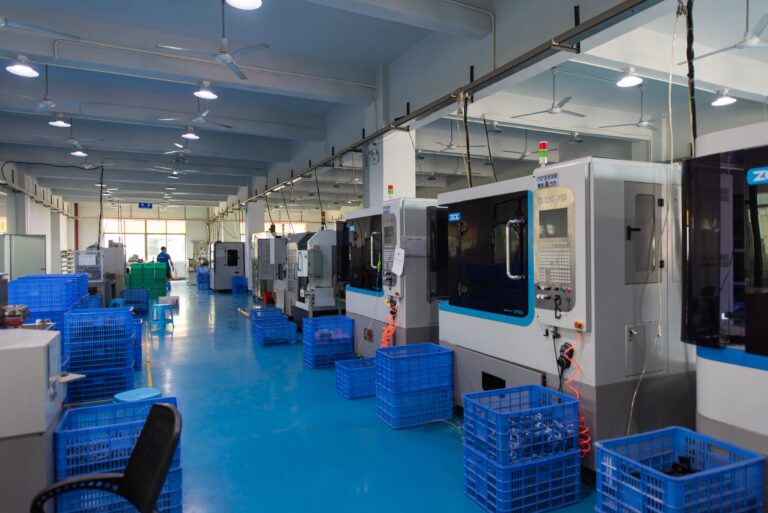
D Marjan Opticals helps brands translate polarized sunglasses market opportunities into product specifications, lens requirements and production checkpoints. Its Shenzhen, China factory operation supports OEM polarized sunglasses, private-label eyewear and global sunglasses sourcing projects. Brands can connect these decisions with D Marjan’s custom sunglasses lens options.
Frequently Asked Questions
Are all polarized lenses the same quality? No. Lens material, construction, optical properties, treatments and production control can vary. Buyers should approve a defined specification and relevant evidence.
Does polarization automatically mean UV protection? No. They are separate properties and should be specified and verified separately.
Can polarized lenses be used in any frame? They are available for many designs, but curvature, thickness, fitting method and intended use must be reviewed with the complete frame.
Develop a Polarized Sunglasses Programme
Share your frame concept, target customer, lens colours, intended claims and destination markets with D Marjan. The team can help structure sampling, lens approval and manufacturing requirements before a bulk order is confirmed.