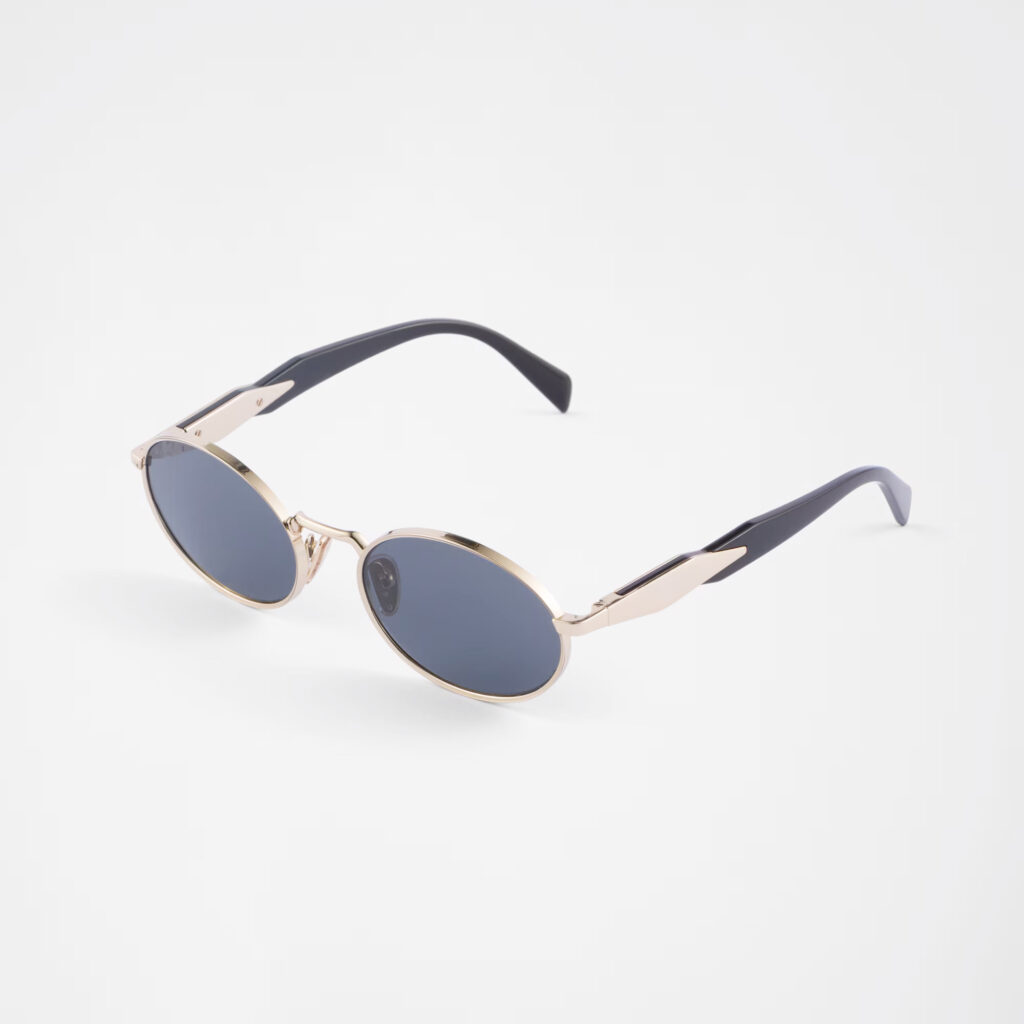
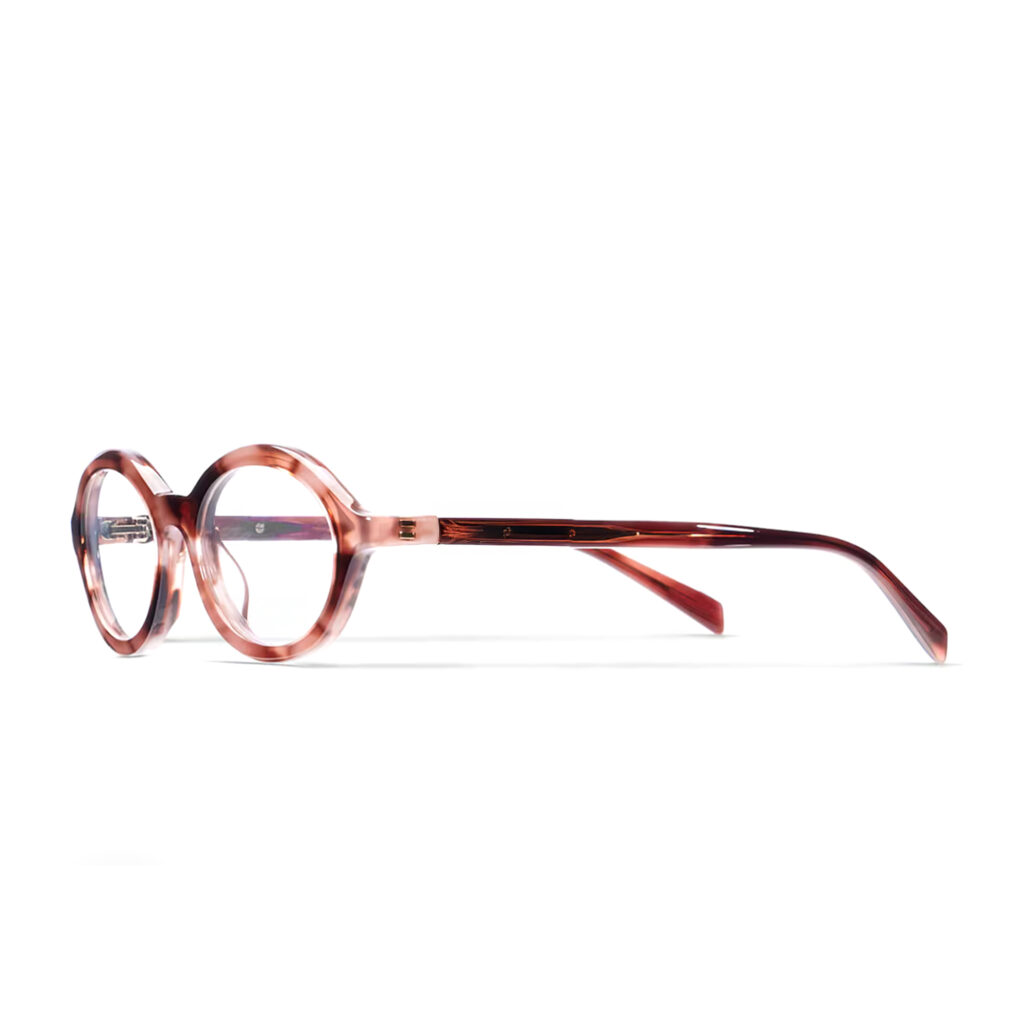
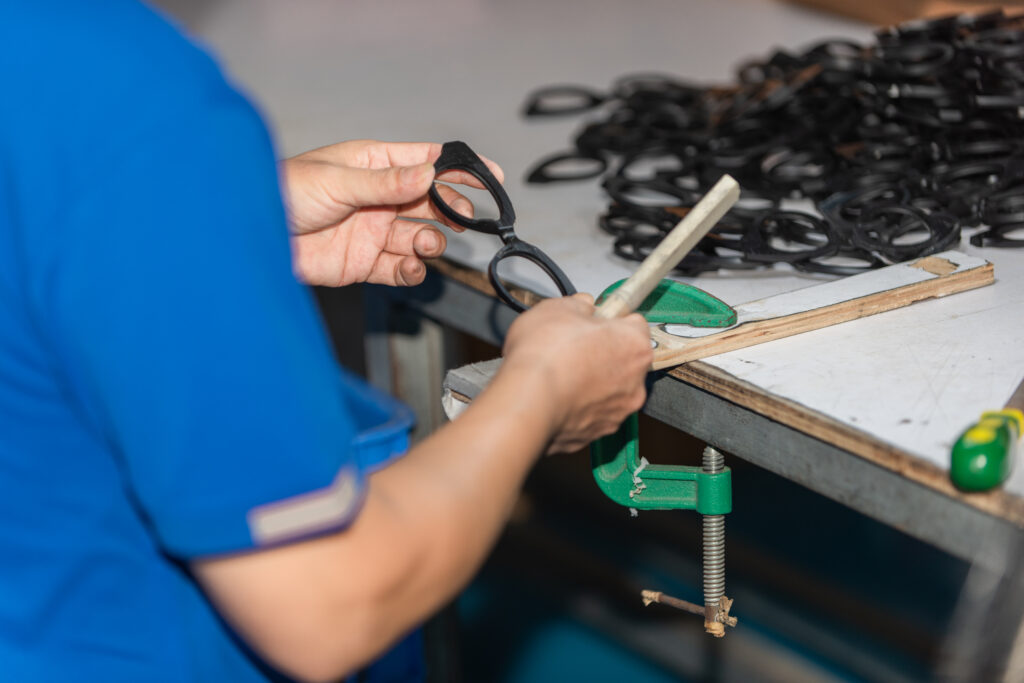
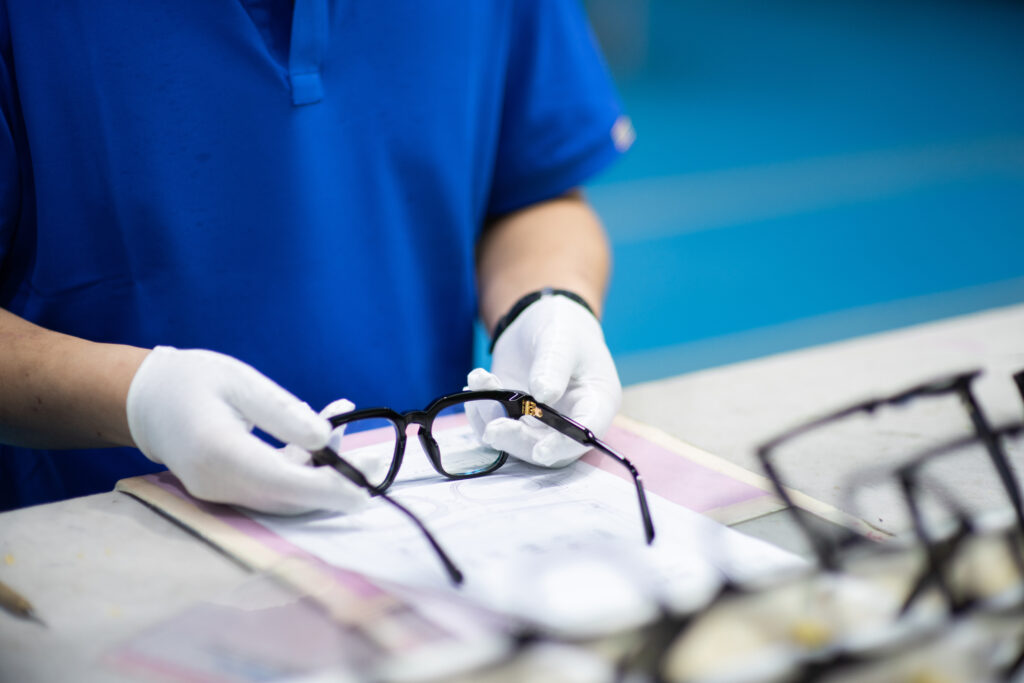
Launching an eyewear label involves more than placing a logo on a ready-made frame. Successful eyewear startups connect a clear customer proposition with products that can be manufactured consistently, inspected objectively and reordered without unnecessary surprises. The process becomes easier when commercial decisions and factory decisions are made together.
This guide explains how to start your own eyewear brand from an operational perspective. It does not replace legal, tax or product-compliance advice. Requirements depend on where products will be sold, how they will be marketed and whether they are sunglasses, fashion frames, reading glasses or regulated prescription products.
1. Define the customer before designing the collection
Start with a specific buyer rather than a broad ambition to sell glasses. Define the intended price band, sales channel, visual identity, wearing occasion and practical needs. A collection designed for sports use has different material, fit and lens requirements from a fashion-led acetate range.
Your first range should communicate one coherent idea. A small number of well-planned shapes and colourways is usually easier to sample, photograph, explain and manage than a scattered catalogue. Build a simple range plan showing style names, colours, target retail price, expected order volume and launch date.
2. Choose private label, OEM or ODM development
The production route affects cost, differentiation and timing. A private-label programme can use an existing frame platform with selected colours, lenses, branding and packaging. OEM development follows the buyer’s specifications, while ODM may combine a manufacturer’s design capability with brand direction.
Founders should ask which elements are truly custom. A new front shape, temple component or mould may require tooling, while a colour or logo change may not. D Marjan’s OEM eyewear manufacturing overview and eyewear design and development service provide useful starting points for comparing these routes.
3. Prepare a factory-ready product brief
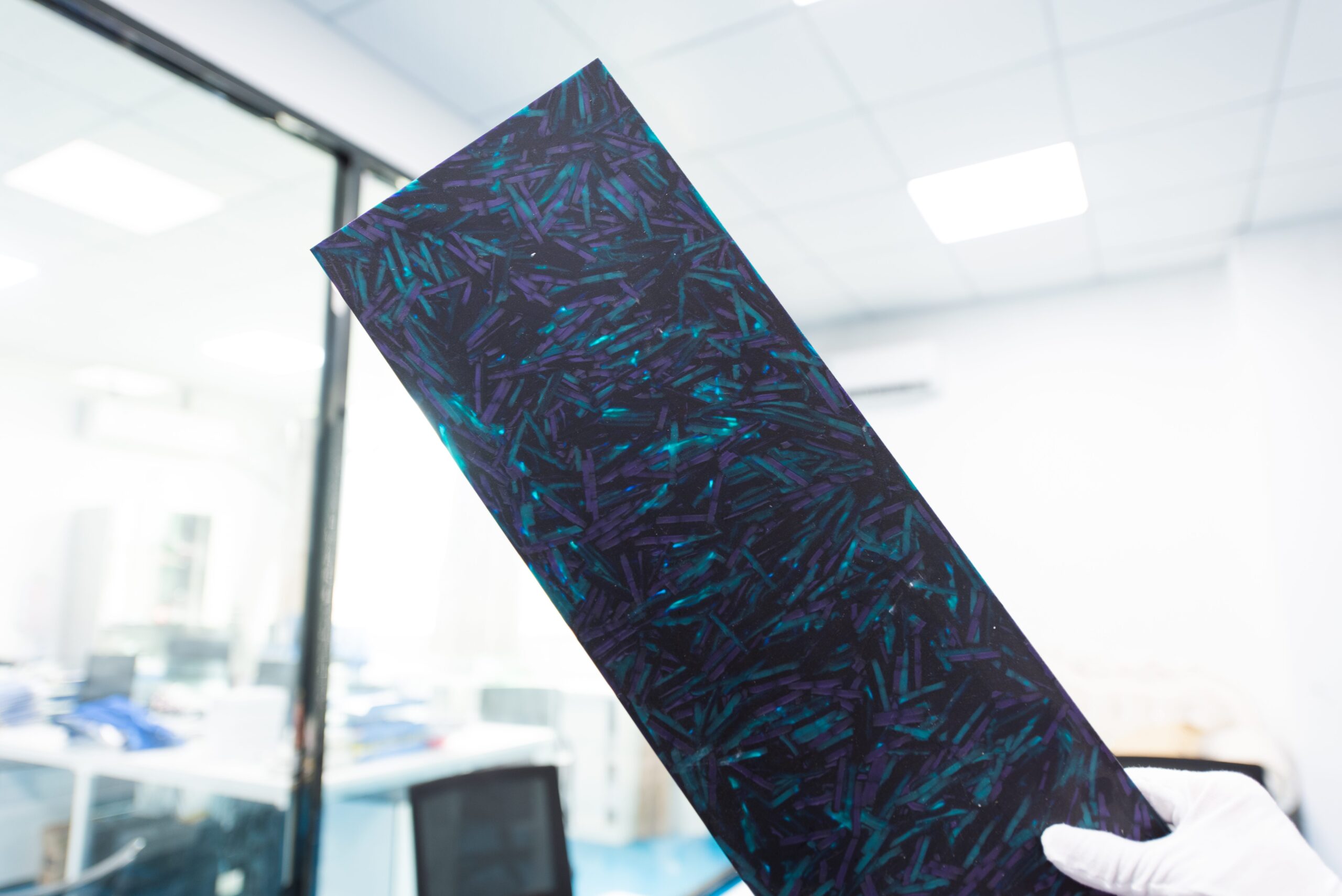
A useful brief includes more than inspiration images. Record frame dimensions, preferred materials, colour references, lens type, finish, logo method, hinge direction, packaging and the market where the product will be sold. Clearly separate essential features from optional preferences.
If the design is original, the manufacturer may need technical drawings before estimating tooling and production. If it is based on an existing platform, request physical samples and document every approved change. Avoid relying on chat messages alone; maintain a dated specification that both sides can follow.
4. Budget for the complete landed product
The unit price is only one cost. A startup budget may also include design work, tooling, samples, testing, packaging, freight, duties, photography, ecommerce, marketing and an allowance for defects or replacements. Payment terms and currency changes can also affect working capital.
Ask for quotations with assumptions stated clearly: material, quantity, colour split, lens treatment, logo, packaging and delivery basis. Minimum order quantity should be evaluated per style and colour, not only as one headline number. The custom sunglasses cost, MOQ and timeline guide explains the variables to discuss.
5. Use sampling as a decision process
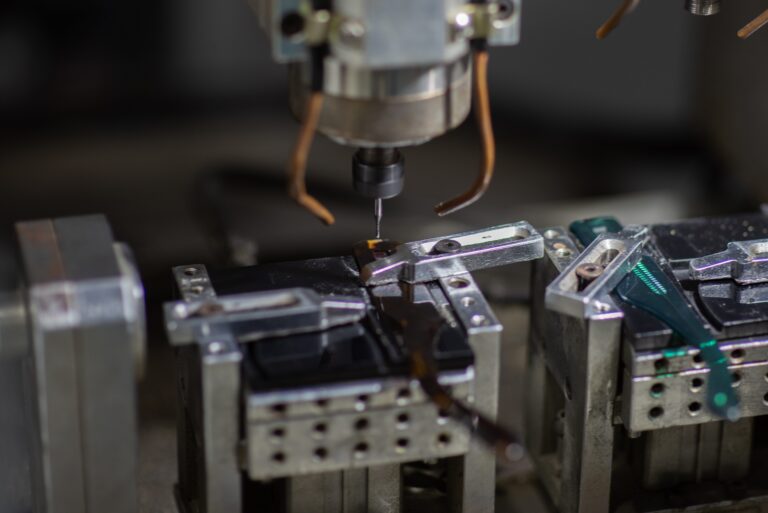
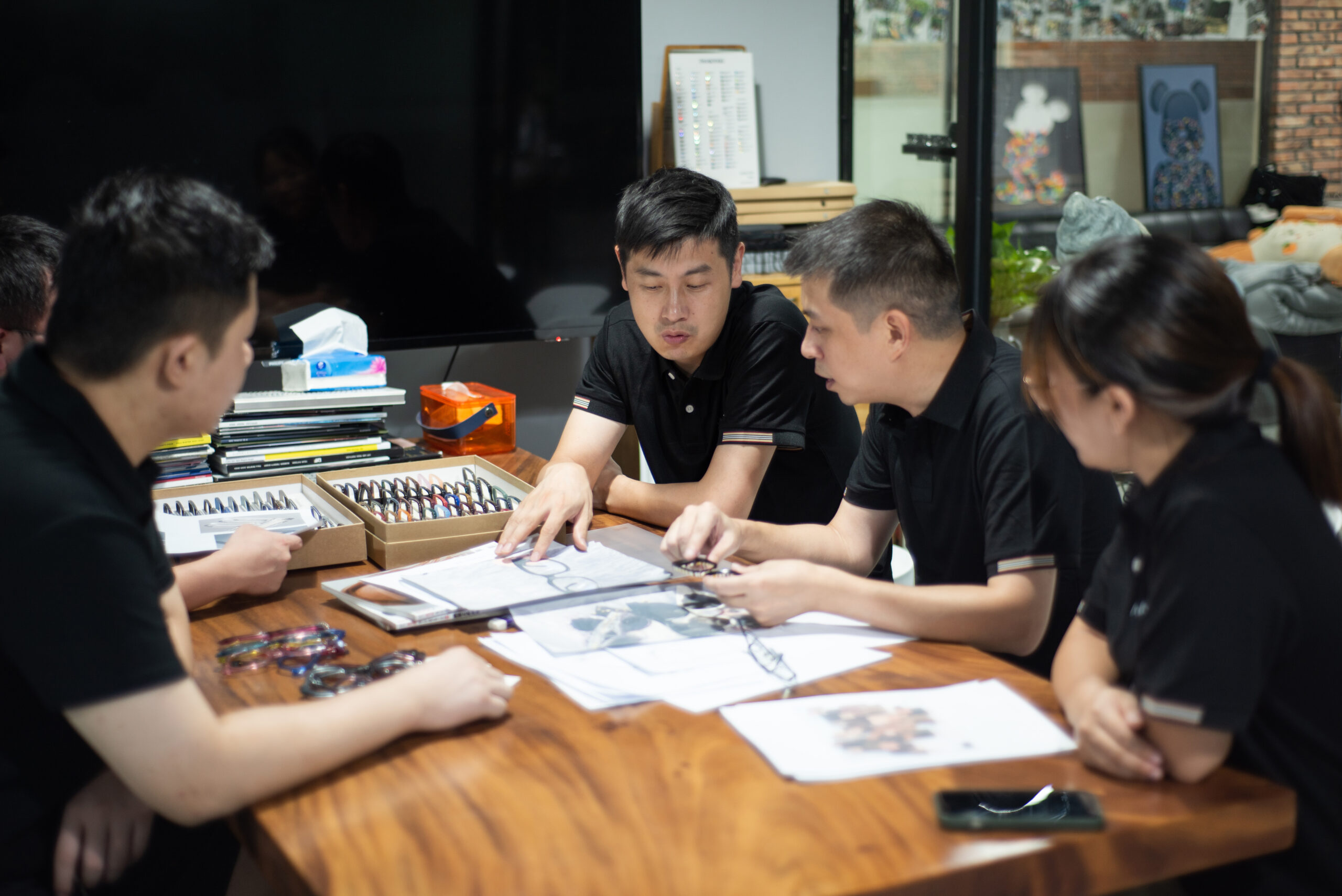
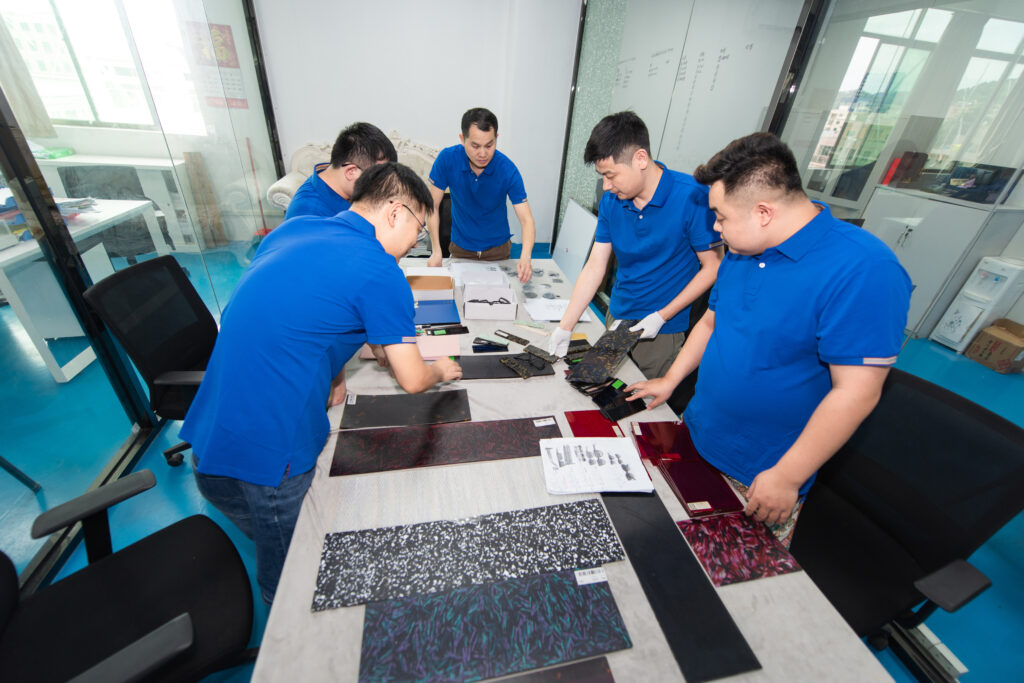
Sampling is where a digital concept becomes a physical product. Review dimensions, weight, comfort, frame balance, lens appearance, surface finish, hinge action and branding. Wear-test samples where appropriate, and record corrections in an organised revision list.
An approved sample should be connected to a written specification. Photograph it, label it and confirm which version is the production reference. D Marjan’s sampling and prototyping process outlines why revision control matters before bulk production.
6. Plan compliance and quality before ordering
Brands are responsible for understanding the rules in their sales markets. Sunglass lens performance, product labelling, traceability and chemical restrictions may apply. For US-market context, review the FDA guidance for sunglasses, spectacle frames and lenses. Requirements should be confirmed with qualified testing or compliance specialists for the exact product and destination.
Create an inspection checklist before production. It may cover dimensions, colour, logo position, lens condition, hinge operation, surface defects, packaging and quantity. Agree how defects will be classified and how a failed inspection will be handled.
7. Build reorder information from day one
Keep a product record for every approved style: drawings, materials, colours, components, logo artwork, packaging files, test reports, sample approvals and production notes. This reduces ambiguity when reordering or adding colours. It also helps the brand compare actual sales with the original range plan.
Build a Global Eyewear Brand With Shenzhen Manufacturing Support
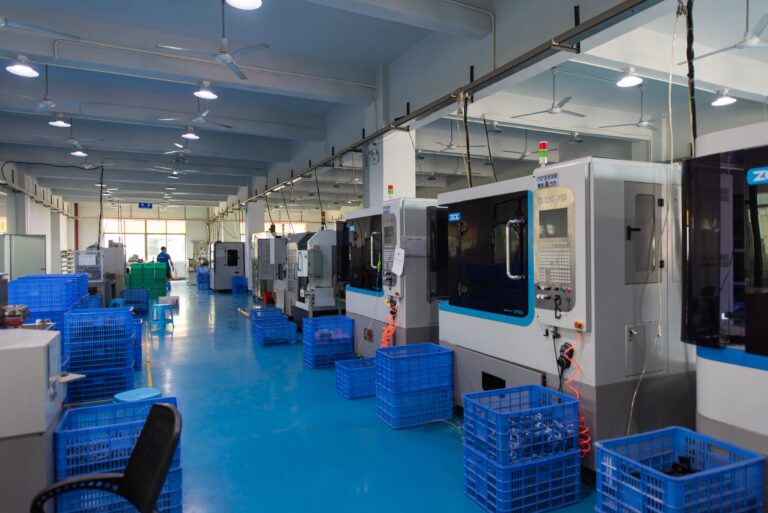
D Marjan Opticals works with eyewear startups, fashion labels and retailers developing custom or private-label collections. Its Shenzhen, China factory operation supports product development, eyewear prototyping, OEM sunglasses manufacturing and production planning for global markets. Founders can begin with the OEM eyewear manufacturing route and define the right level of customization.
Frequently Asked Questions
Can I create my own sunglasses brand with a small collection? Yes. A focused collection can be a practical launch strategy, but available quantities and customisation depend on the selected production route and should be confirmed with the supplier.
Do I need a completely original frame design? No. A brand may start with private-label options, modify an existing platform or commission original development. The right choice depends on budget, differentiation and launch timing.
How long does eyewear development take? There is no universal timeline. Design readiness, tooling, sample revisions, materials, testing, order size and factory schedule all influence delivery.
Turn Your Brand Brief Into a Production Plan
Share your customer, target price, preferred materials, quantities and launch timing with D Marjan. The team can help identify an appropriate private-label, OEM or ODM route and the decisions required before sampling. Commercial terms and capabilities should be confirmed for the specific project.