
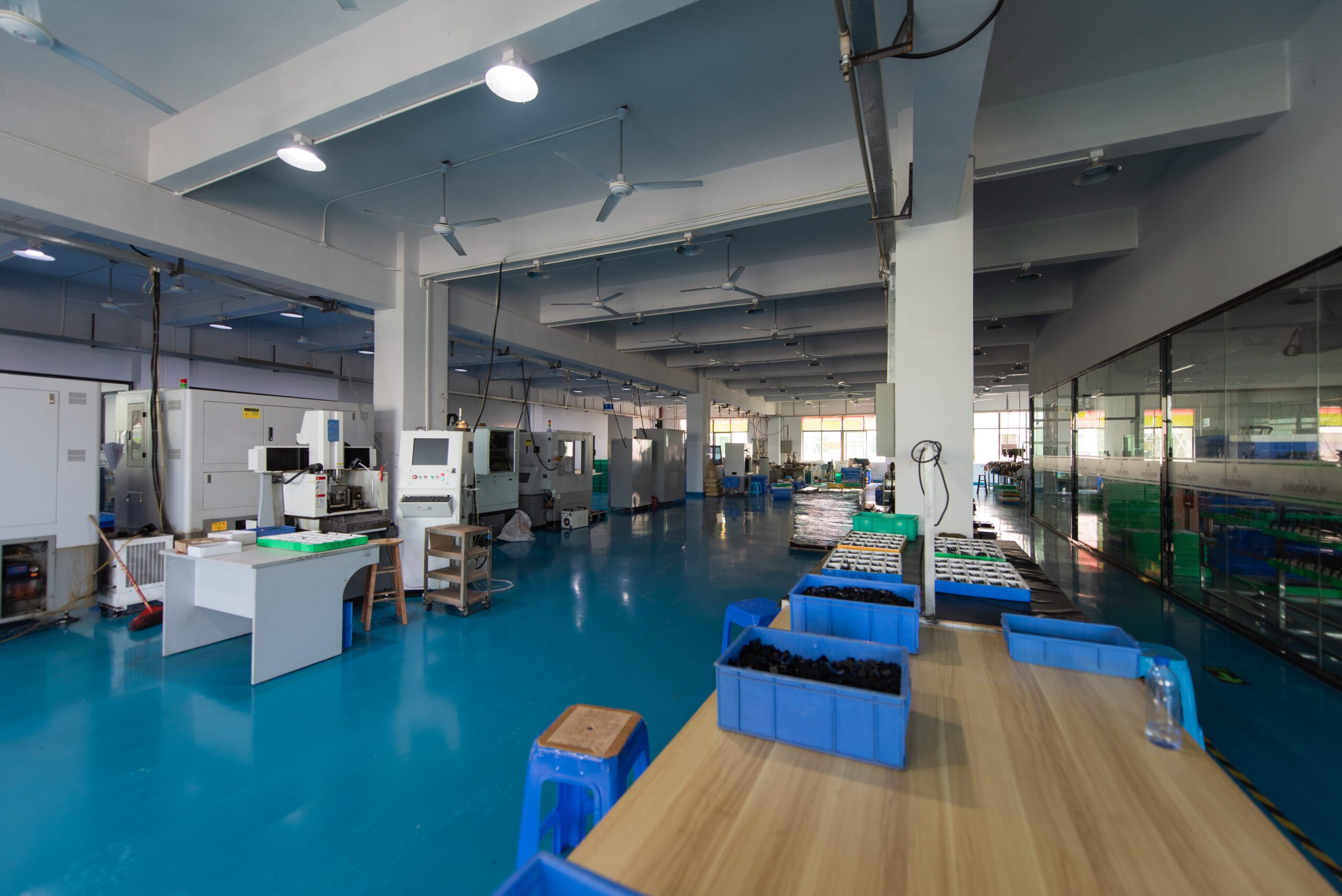
Choosing a sunglasses manufacturer is not simply a matter of finding the lowest unit price. The right factory must be able to translate a product brief into a repeatable frame, explain technical trade-offs and provide evidence that production matches the approved sample. For a new or growing brand, that working relationship can affect product quality, delivery planning and the ability to reorder a successful collection.
The best selection process starts with a clear brief and a structured comparison. This guide explains what buyers should examine before committing to sampling or bulk production.
1. Define the product before comparing factories
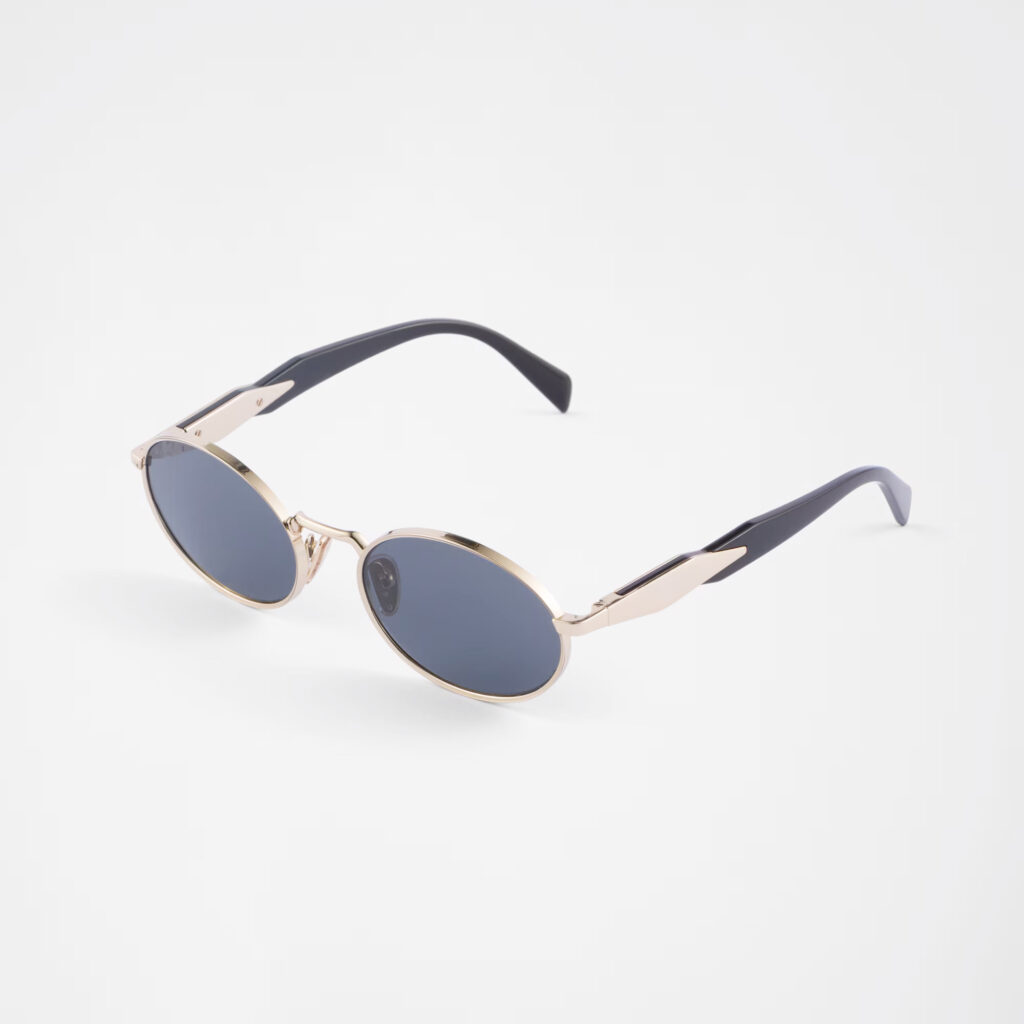
Factories cannot quote accurately from a vague request such as “premium sunglasses.” A useful brief should describe the target customer, frame material, lens type, approximate dimensions, colours, branding locations, packaging and intended sales markets. Reference images can communicate direction, but they do not replace technical drawings or measurable requirements.
Decide whether the project needs a stock white-label model, a modified private-label product or a fully custom OEM design. These routes involve different development work, tooling and minimum quantities. D Marjan’s OEM eyewear manufacturing overview can help brands distinguish a custom programme from a simpler branding project.
2. Evaluate development and sampling ability
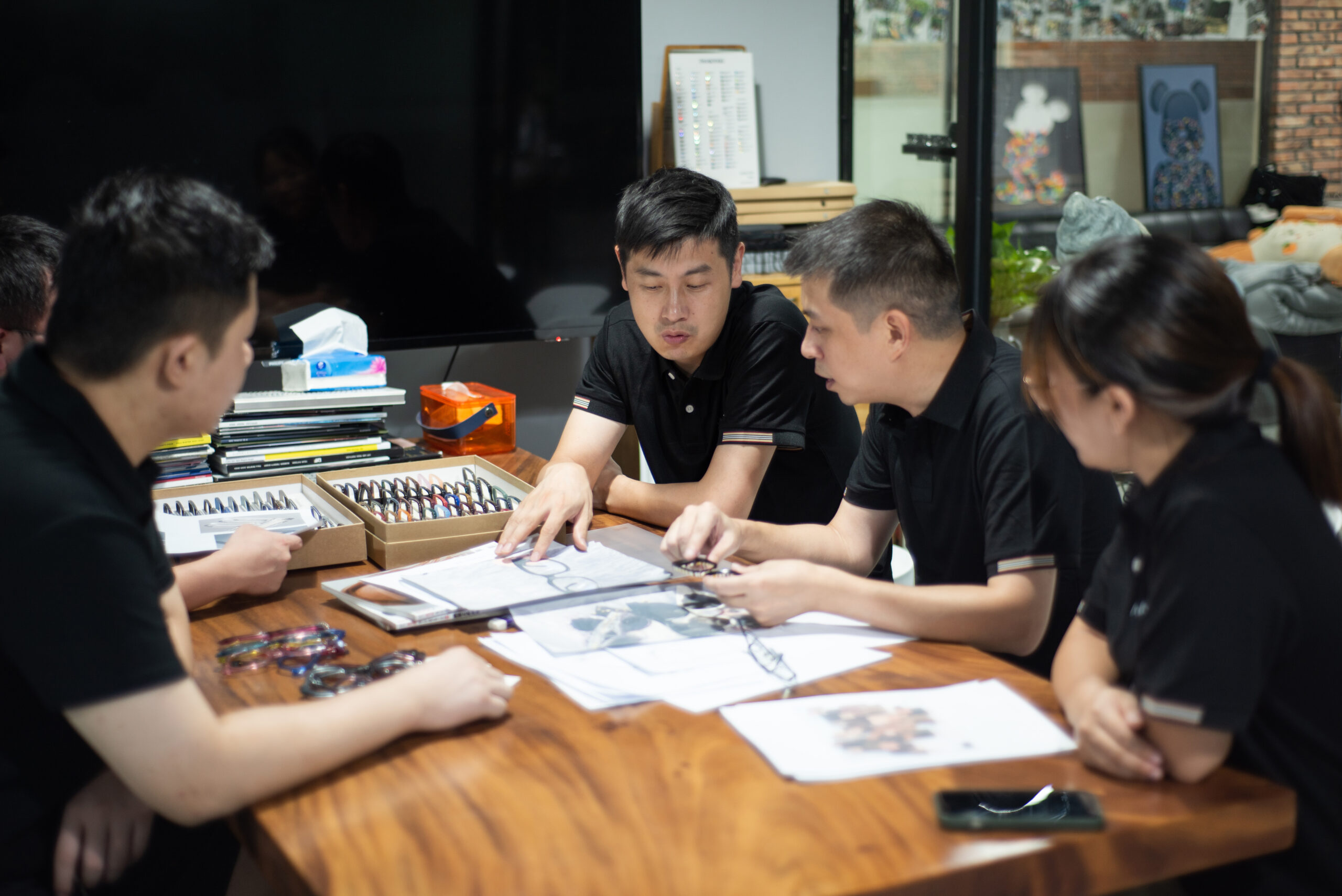
A credible manufacturing partner should ask technical questions before promising production. The factory may need to review lens curvature, bridge dimensions, hinge construction, temple length, logo method and material thickness. Its feedback should explain why a feature is practical, risky or likely to affect cost.
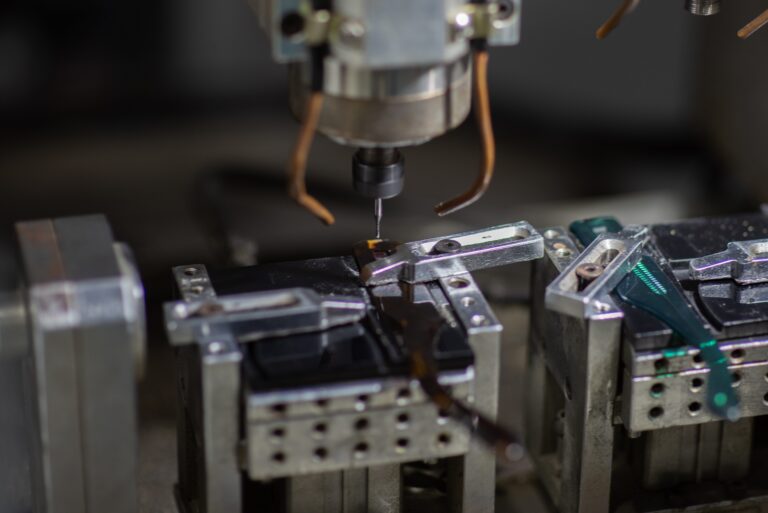
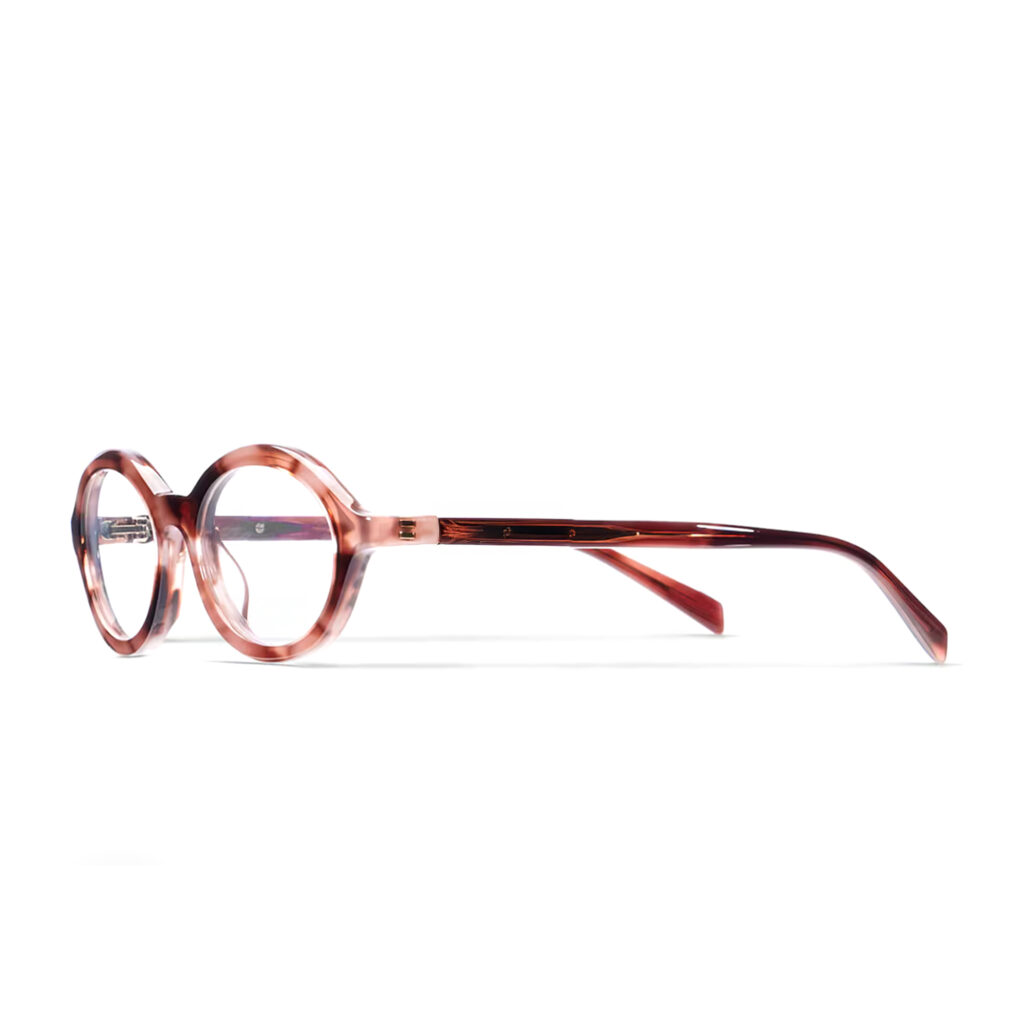
Sampling is where those decisions become physical. Inspect fit, weight, opening and closing action, finish, lens seating, colour and logo execution. Record every approved change so the final sample becomes a controlled production reference. The eyewear sampling and prototyping process is especially important when a brand is introducing a new shape or construction.
3. Check material and component transparency
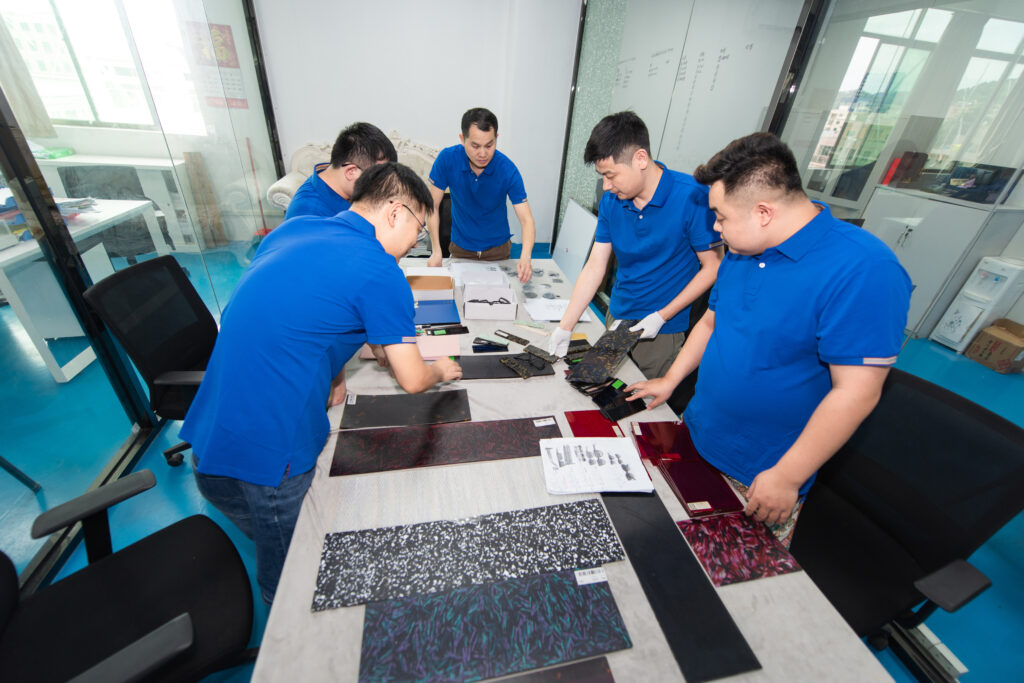
Ask each sunglasses manufacturer to identify the proposed frame material, lens specification, hinge type and surface treatment. Descriptions such as “high quality plastic” are too broad for a purchase specification. The material must suit the intended positioning, design and use case.
Buyers should also clarify which components are standard and which are custom. A standard hinge or available colour may shorten development, while custom tooling or a special finish can add time and validation steps. Material and component approvals should be documented rather than left in chat messages.
4. Compare MOQ in context
Minimum order quantity is influenced by material purchasing, tooling, colour changes, production setup, component supply and packaging. A low advertised MOQ may apply only to an existing model in standard colours. Ask for the MOQ per model and per colour, not only the total order quantity.
Also request a transparent cost breakdown for samples, moulds, logo application, lenses, packaging and inspection. A comparable quotation uses the same specification across all candidates. If two quotes differ dramatically, confirm whether they actually describe the same product.
5. Review quality control before placing the order
Quality should be defined before production, not judged only when cartons arrive. Agree on critical dimensions, appearance standards, functional checks and packaging requirements. The approved sample, technical specification and defect criteria should all point to the same target.
Ask how incoming materials, work in progress and finished products are checked. The factory should be able to explain how nonconforming units are identified and corrected. D Marjan’s eyewear quality-control guide outlines the role of specifications, inspection and shipment approval.
Applicable requirements depend on product and destination. For US-bound products, brands can review the US Food and Drug Administration’s official guidance for sunglasses, spectacle frames and lenses. ISO 12312-1 is another relevant reference for general-use sunglasses, but the responsible business must determine which rules apply to its market.
6. Assess communication and production visibility
Good communication is measurable. Look for clear answers, numbered revisions, dated approvals and written confirmation of changes. Determine who manages the project after the sales conversation and how production updates will be shared.
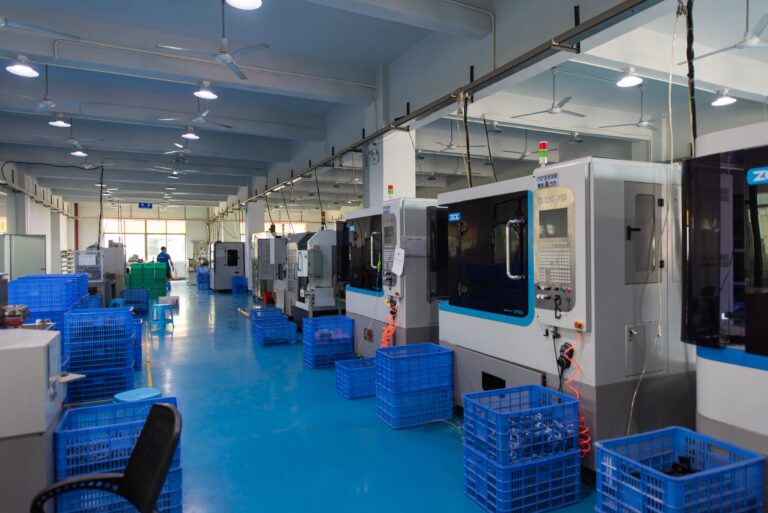
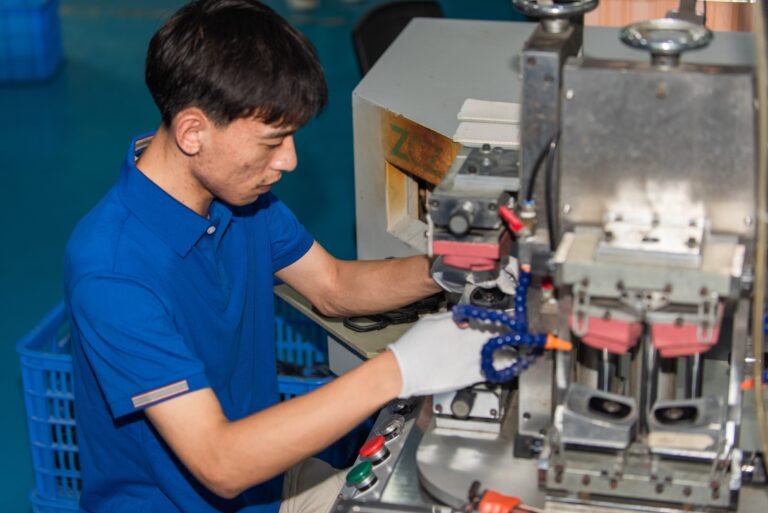
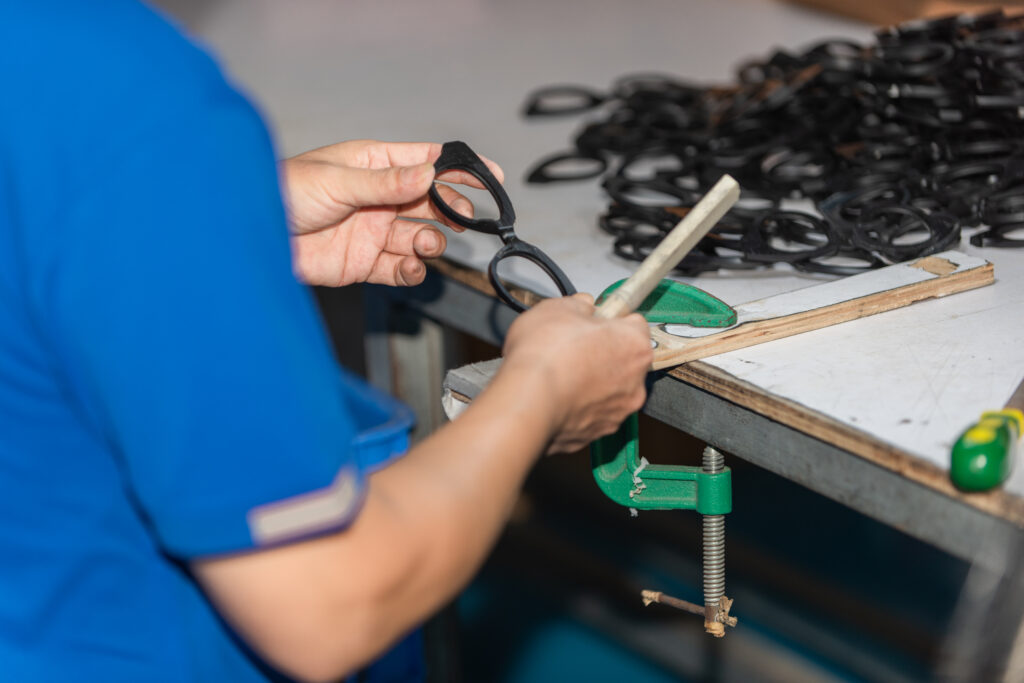
A factory visit, live video review or structured factory tour can provide useful context about workflows and production control. However, a clean facility alone is not proof of product quality. Link the visit to your own model, specification and inspection plan.
Questions to ask shortlisted manufacturers
- Which parts of this model require new tooling?
- What is the MOQ per style and colour?
- What will the sample include, and how are revisions handled?
- Which material, lens and performance documents are available?
- How is the approved sample controlled during bulk production?
- What inspection evidence is supplied before shipment?
Why Global Brands Evaluate a Shenzhen, China Factory
D Marjan Opticals supports international buyers comparing a sunglasses manufacturer, OEM eyewear manufacturer and private-label sunglasses supplier. Through its Shenzhen, China factory operation and manufacturing network, the team coordinates product development, sampling and production-quality requirements for global eyewear brands. Buyers can review the D Marjan factory tour before starting a supplier assessment.
Frequently Asked Questions
Should a startup choose the factory offering the lowest MOQ? Not automatically. MOQ matters, but the development route, quality system, communication and full landed cost can have a larger impact on the result.
How many samples are needed before production? There is no universal number. Continue revisions until the product, specifications and approval record are clear enough to serve as a production reference.
Can one factory manufacture every type of sunglasses? Factories often have particular strengths in materials, constructions or production methods. Match the supplier’s demonstrated experience to the proposed product.
Build a Clear Manufacturing Brief
Share your target design, quantities, materials, branding and sales markets with D Marjan. The team can review the appropriate development route and identify the decisions needed before a reliable quotation and sample plan are prepared.