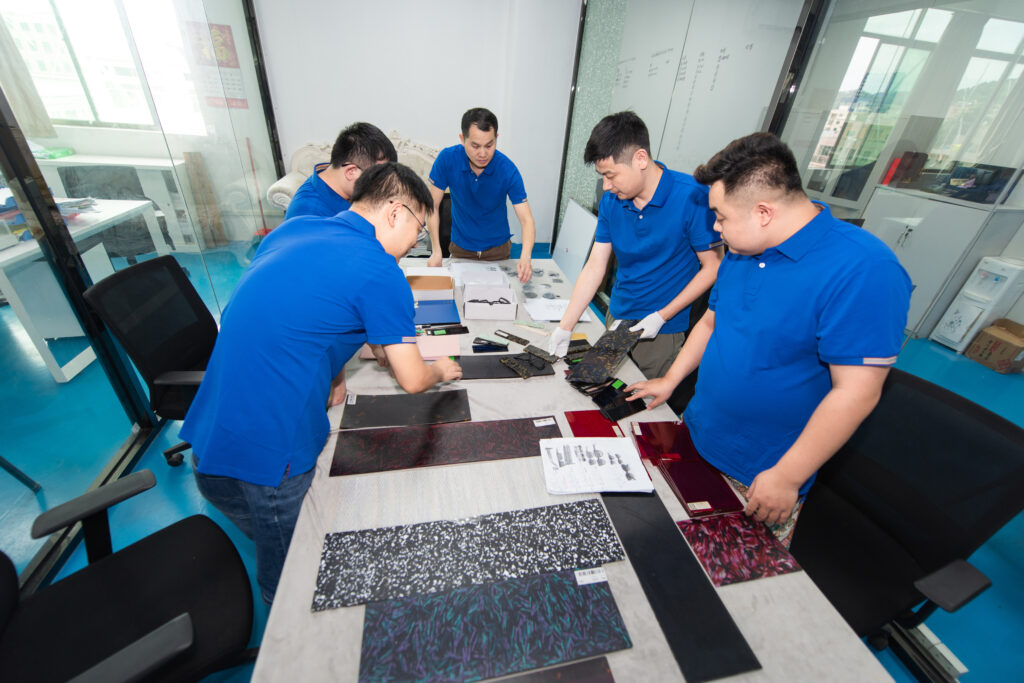
Choosing an optical manufacturer is not simply a search for the lowest unit price. The right production partner must suit the product, development stage, order size, quality expectations and destination markets. A capable factory for injection-moulded sports frames may not be the best match for a detailed acetate collection, and a strong sample does not by itself prove repeat-production control.
Use a structured supplier-selection process. It makes quotations easier to compare and helps expose assumptions before money is committed.
1. Start with product and process fit
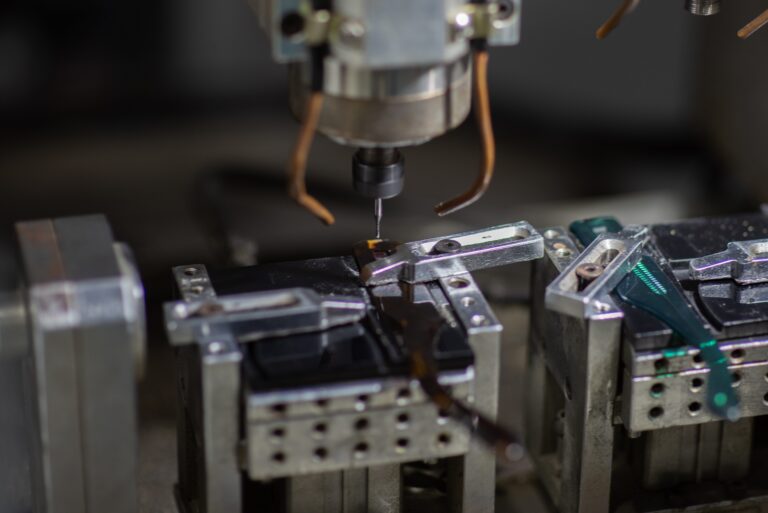
Prepare a concise brief stating frame type, material, construction, lens requirements, quantities, colour split, customisation and target market. Ask the manufacturer which processes it performs, which stages involve approved specialist partners and which product category represents its strongest experience.
Request examples relevant to your construction—not confidential customer designs or unsupported brand claims. A supplier should be able to discuss manufacturing stages and risk points. D Marjan’s eyewear material solutions can help buyers organise material questions.
2. Evaluate development capability
Some buyers need production of completed technical files; others need design development, engineering and sampling support. Ask who reviews manufacturability, prepares drawings, manages revisions and approves tooling. Confirm what the quotation includes and who owns paid tooling or project files.
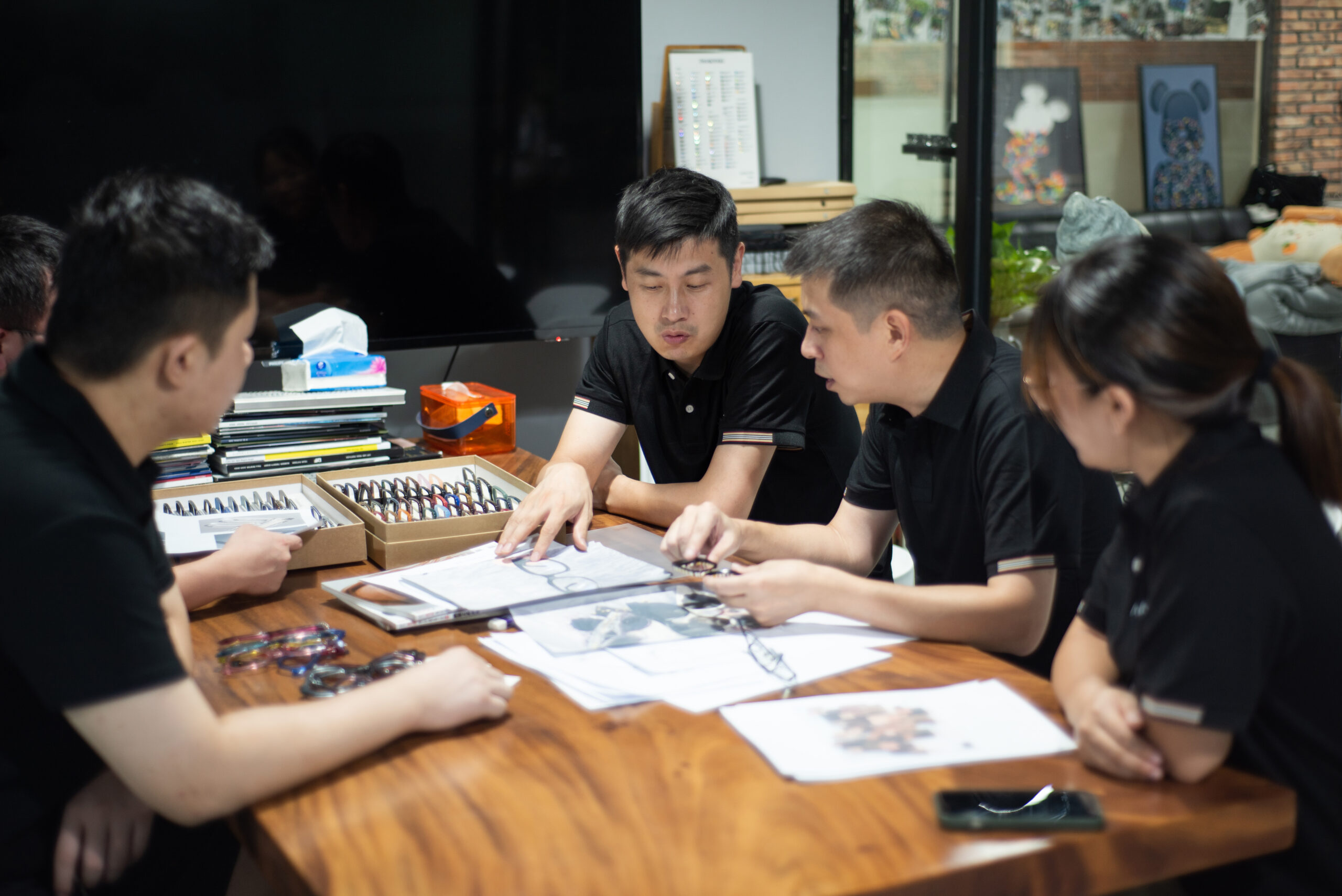
A useful development partner should identify unclear specifications rather than silently choosing on the buyer’s behalf. Review how sample feedback is documented. The eyewear design and development process shows the decisions commonly required before production.
3. Compare quotations on the same basis
Send the same specification to shortlisted eyewear manufacturing companies. Each quotation should identify quantity, materials, lenses, finishes, logo method, packaging, tooling, sample charges, delivery basis and validity. If assumptions differ, the prices are not directly comparable.
Examine minimum quantities at style and colour level. Ask what causes the MOQ: material purchasing, production setup, lens batches, packaging or another constraint. A supplier may offer flexibility by using existing components or consolidating colours, but any option should be confirmed for the actual design.
4. Review quality-management evidence
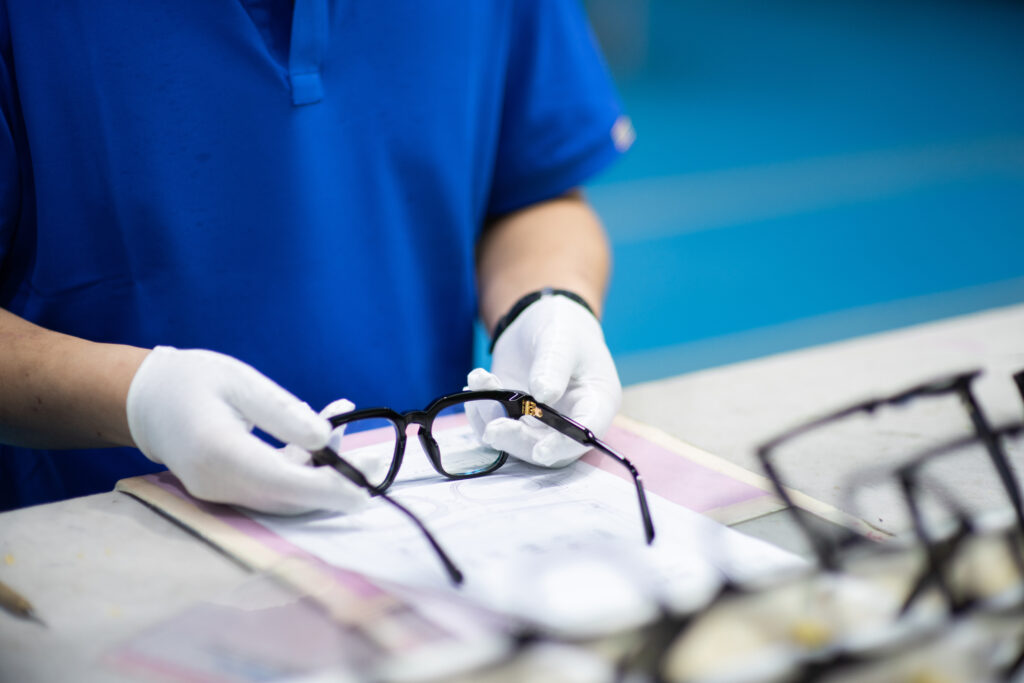
Ask how specifications, approved samples and inspection results are controlled. Discuss incoming checks, in-process checkpoints, final inspection, defect classification and corrective action. Request a sample inspection report with confidential details removed.
Do not treat a certificate logo on a presentation as sufficient proof. Verify the certificate’s scope, issuing body, dates and site where relevant, and confirm whether it applies to the product route being proposed. ISO’s overview of ISO 9001 quality management explains the general framework, but certification does not guarantee that every delivered unit will be defect-free.
5. Discuss compliance for destination markets
Tell the manufacturer where the eyewear will be sold and what claims will be made. Ask for relevant material declarations and test-report examples, then verify whether reports match the product, components, standard, laboratory and current requirements.
The brand or importer should obtain qualified advice for its legal obligations. For example, the EU’s REACH restriction resources provide official chemical-compliance context. Requirements vary by material and market, so a generic statement that products are “internationally certified” is not enough.
6. Assess factory transparency and communication
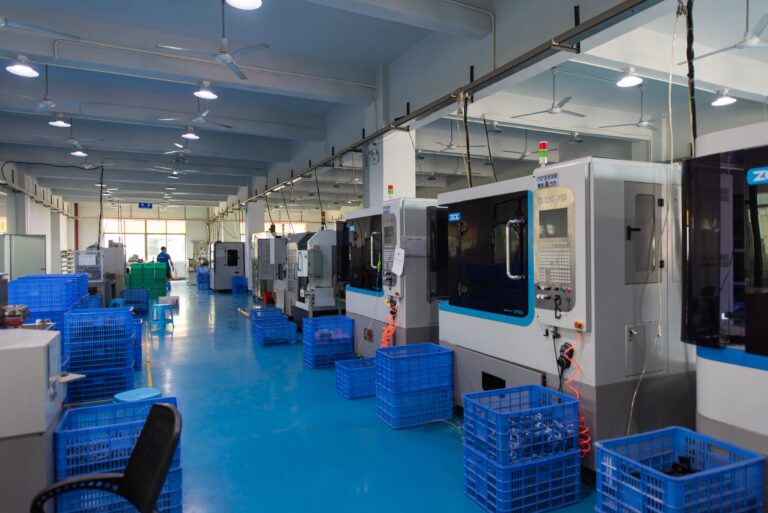
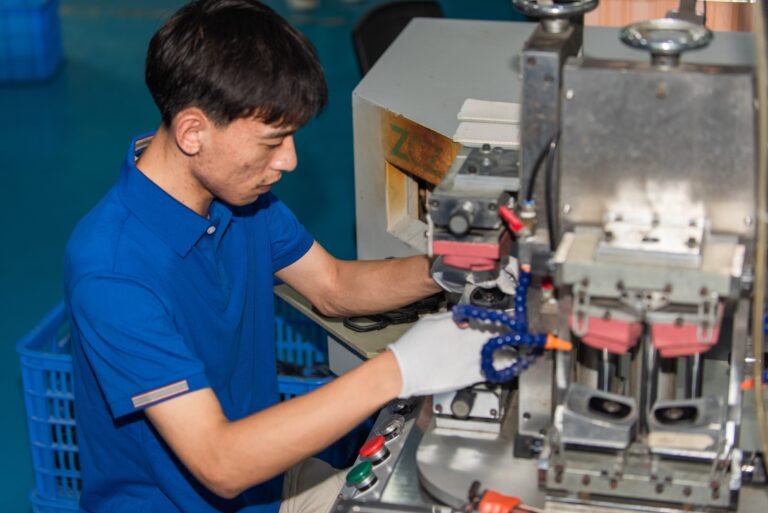
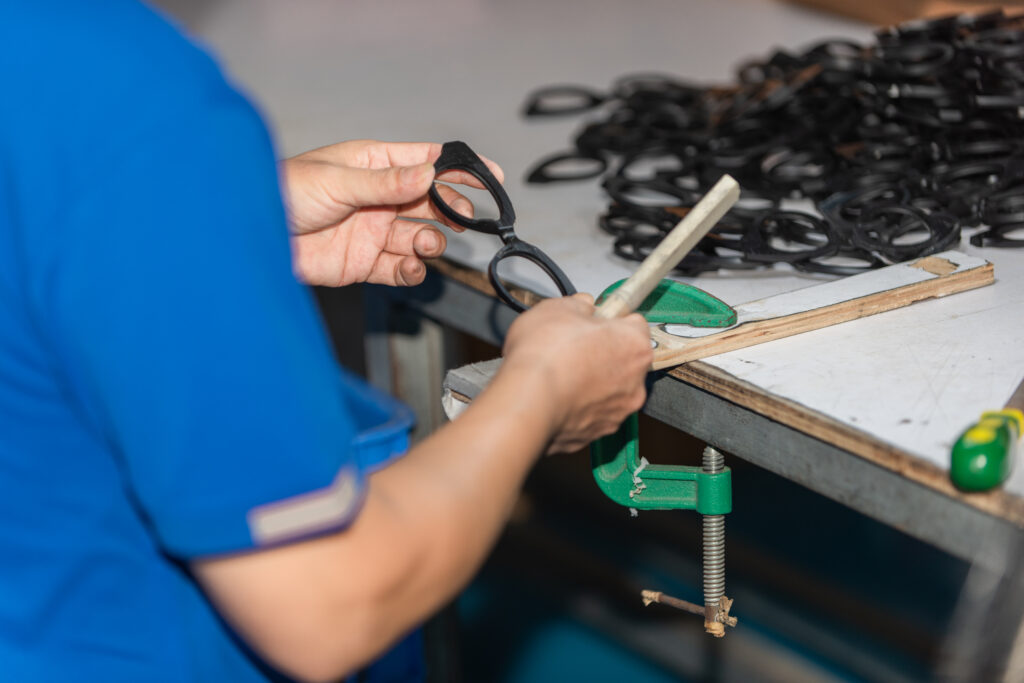
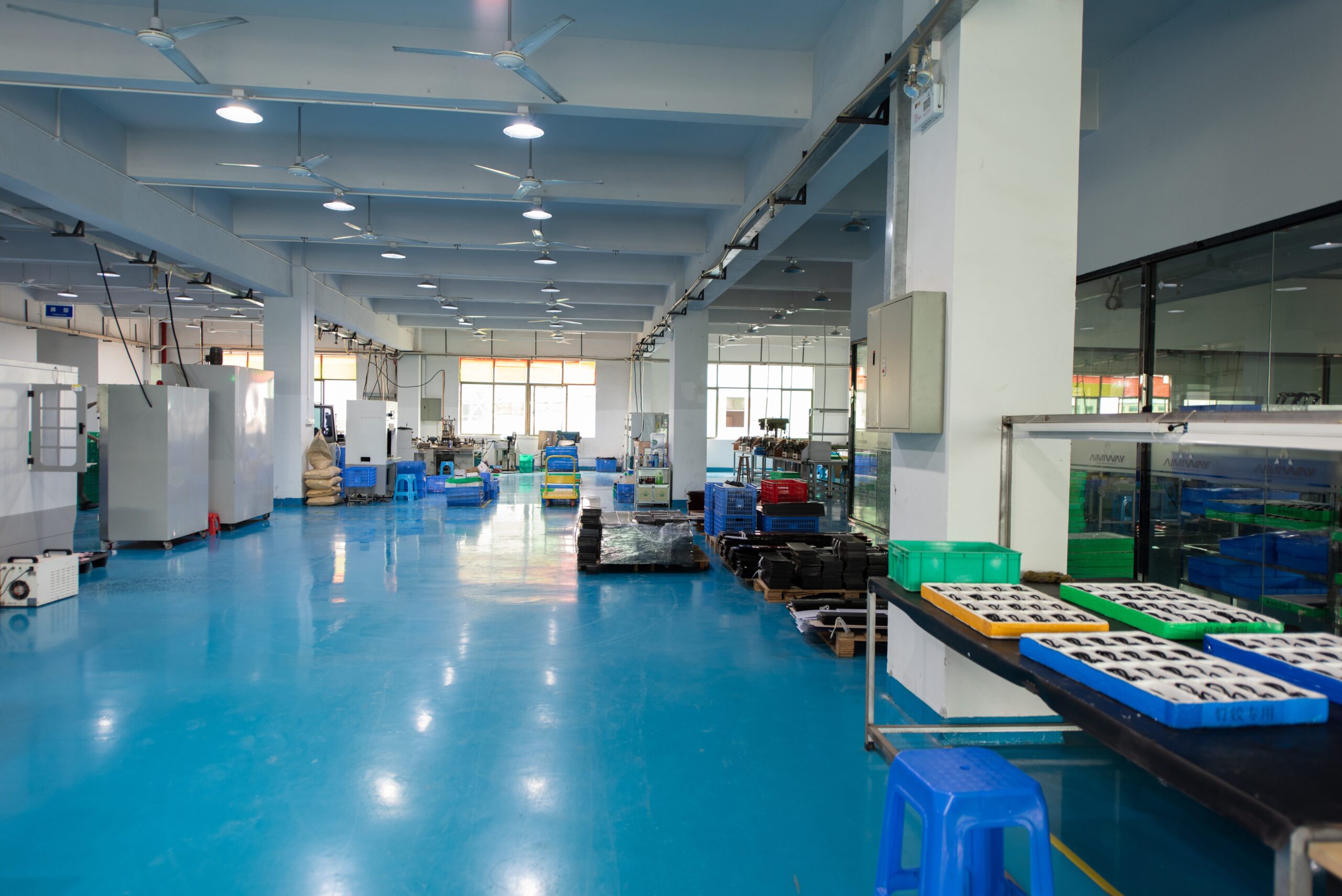
A factory visit, live video review or documented production walkthrough can help verify facilities and process understanding. Look for organised material storage, production identification, sample control, inspection areas and traceability appropriate to the work.
Communication should be evaluated during sampling. Note response clarity, change records, problem escalation and whether commercial and technical teams agree. Fast replies are useful, but precise replies that prevent incorrect production are more valuable.
7. Check capacity, timing and contingency planning
Ask for a project schedule covering technical confirmation, tooling if applicable, samples, testing, production, inspection and dispatch. Treat it as a plan rather than a guarantee until inputs and factory capacity are confirmed.
Discuss peak seasons, material lead times, subcontracted stages and how delays are communicated. Do not rely on a general factory-capacity figure unless it relates to the specific product route. The factory tour can provide context for the questions buyers should ask about production flow.
8. Test the relationship with a controlled first order
Before scaling, use a representative sample or initial order to evaluate execution. Maintain an approved sample, written specification, inspection checklist and packaging standard. Record what changed and what must remain fixed for the next order.
Supplier selection continues after the first shipment. Review defects, delivery performance, response to corrective actions and reorder consistency. A lower initial quote can become expensive if specifications are unclear or repeat orders require extensive correction.
Supplier Comparison Questions
Use the same questions for each candidate:
- Which parts and processes are included in the quoted route?
- What information is required before tooling or sampling?
- How are revisions and approved samples controlled?
- What are the MOQ assumptions by model and colour?
- Which tests or declarations may apply to the destination market?
- How are final inspections and failed results managed?
- What files and references are retained for repeat orders?
Choosing a Shenzhen, China Optical Manufacturer
Global brands often compare an optical manufacturer by development support, material experience, quality controls and export communication. D Marjan Opticals coordinates OEM and ODM eyewear projects through its Shenzhen, China factory operation, supporting custom eyewear manufacturing, private-label frames and international sourcing. Buyers can review D Marjan’s eyewear design and development capabilities.
Frequently Asked Questions
Should I choose a factory only by price? No. Compare scope, materials, development, quality control, compliance support, communication and reorder reliability alongside price.
How can I verify an eyewear manufacturer? Review legal and factory information, relevant capabilities, sample work, quality records, certificate details and production transparency. Independent audits or inspections may be appropriate.
Is the largest manufacturer always the best choice? No. Product fit, order size, technical support and communication may matter more than overall scale.
Shortlist a Manufacturer Around Your Actual Product
Share your drawings, reference samples, quantities, materials and sales markets with D Marjan. The team can review the development route and identify the commercial, technical and quality questions that should be resolved before production. All capabilities, terms and timelines remain subject to project-specific confirmation.