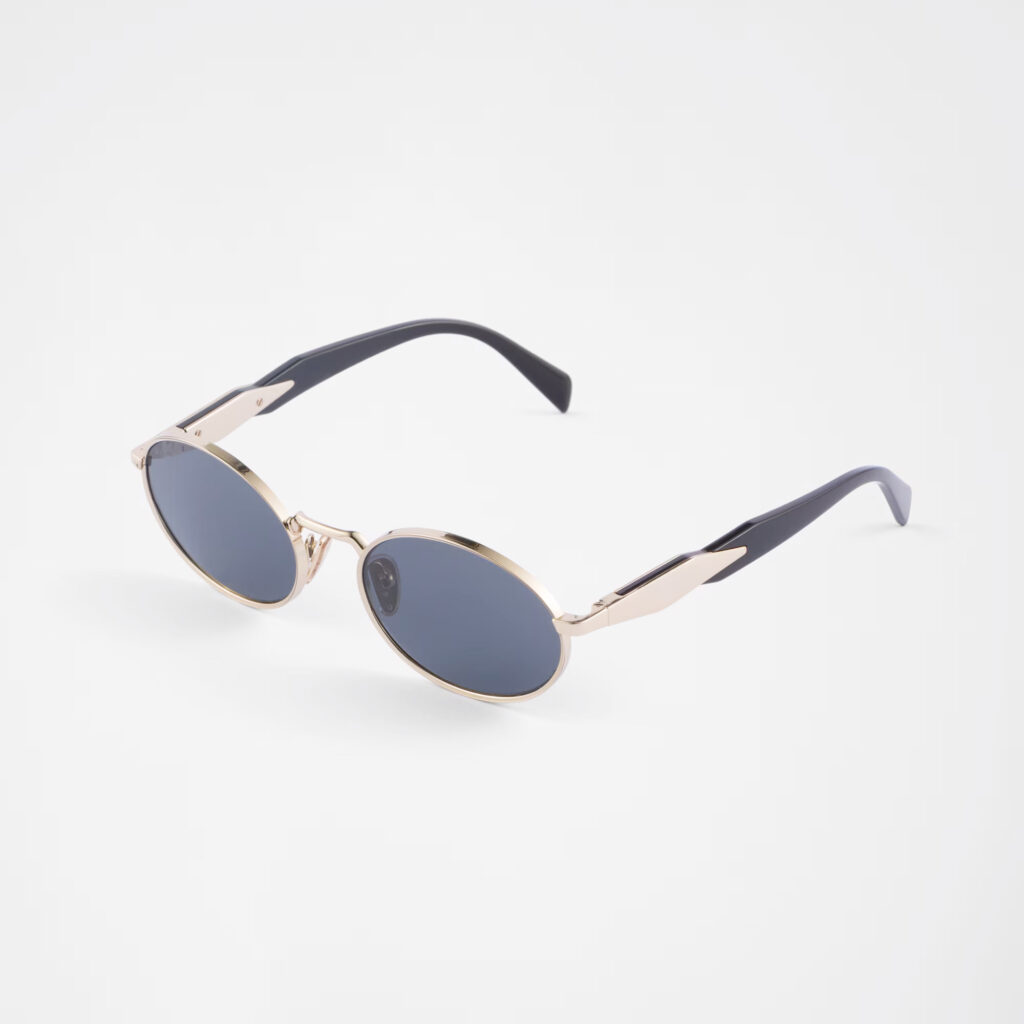
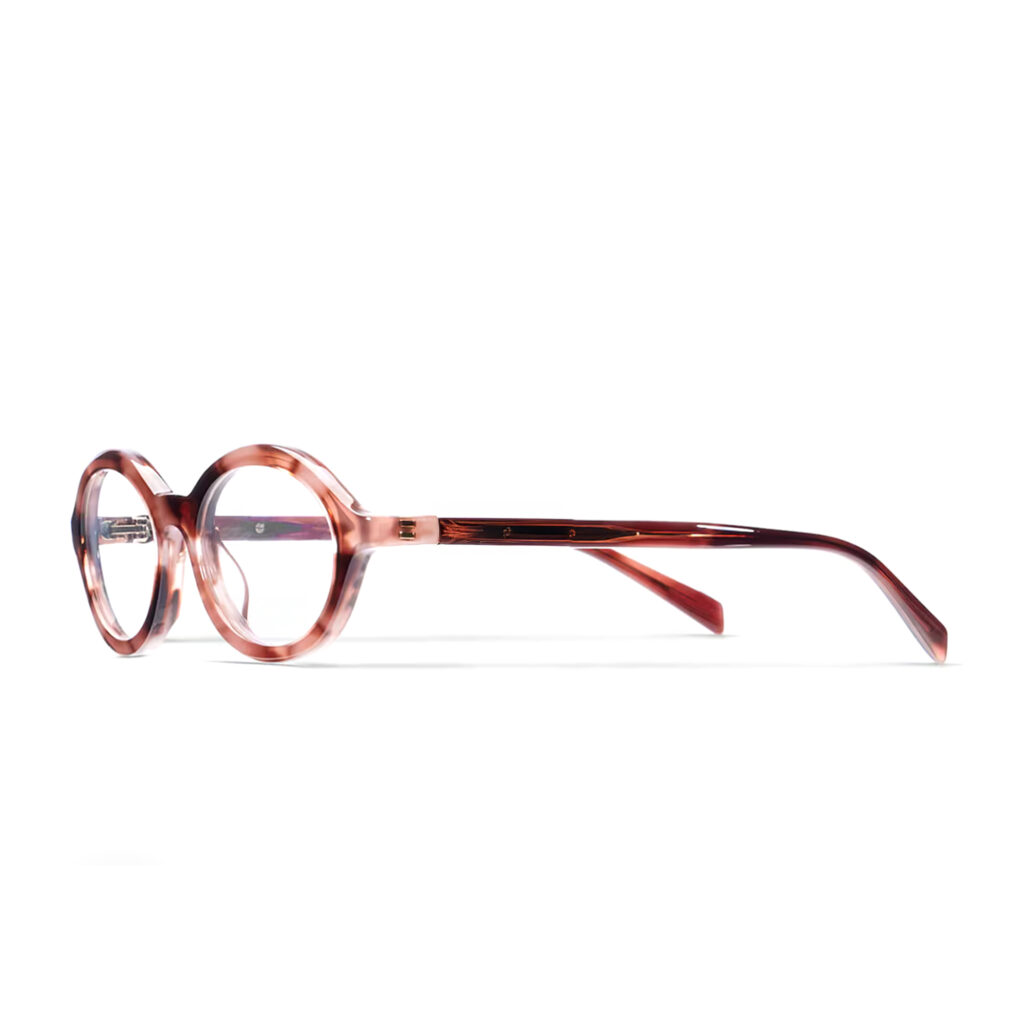
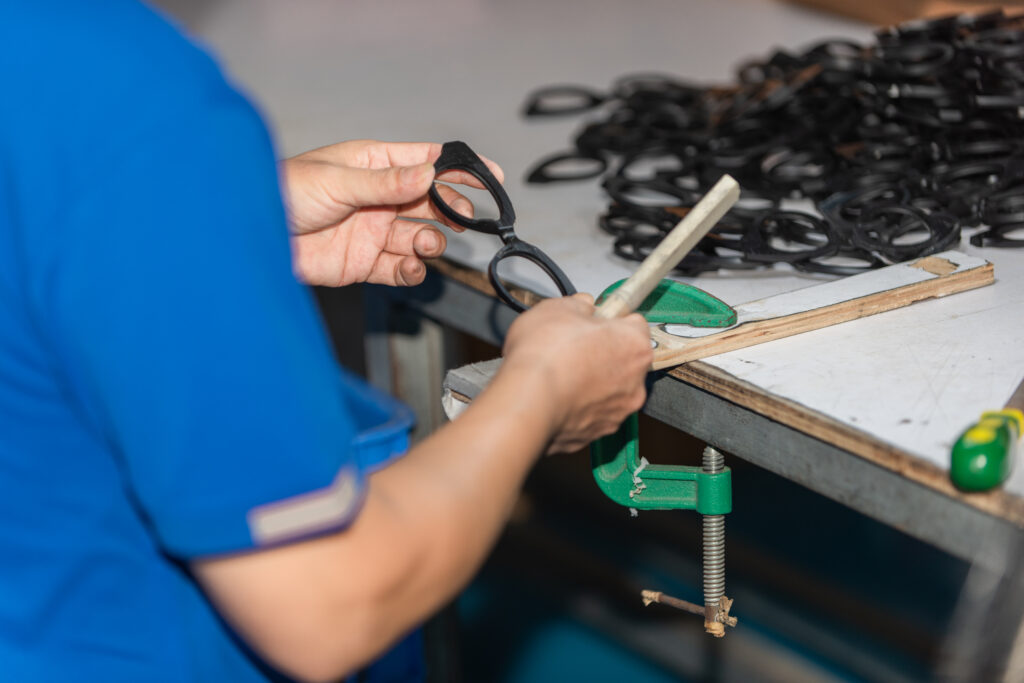
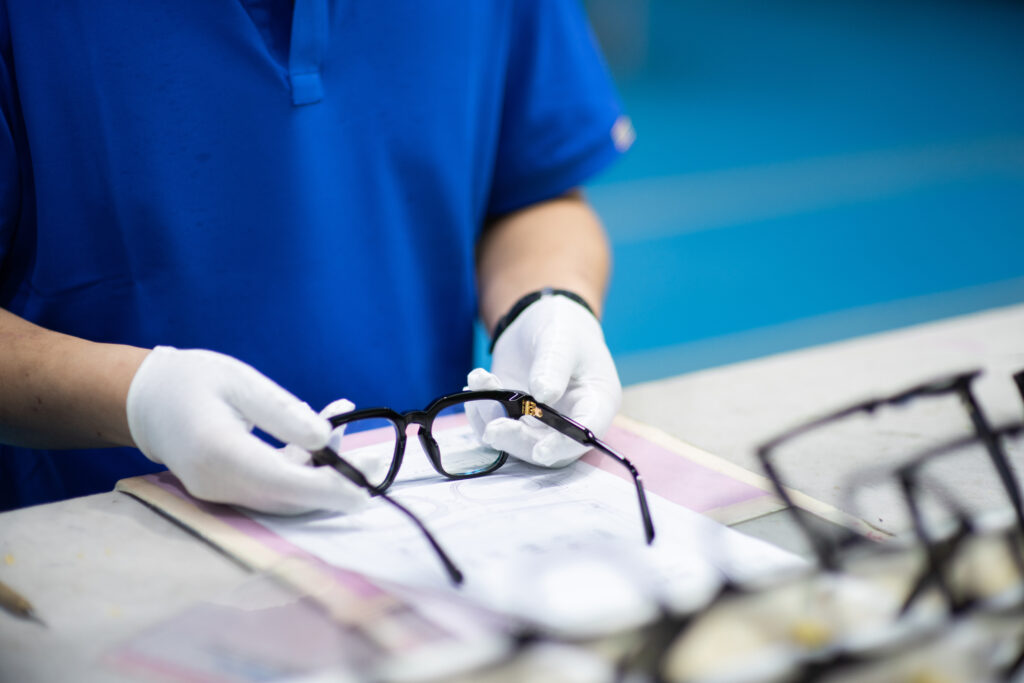
Successful eyewear product development connects creative direction with manufacturing reality. A frame must express the brand’s identity while meeting practical requirements for fit, component placement, material thickness, lens installation and repeatable production. When those considerations are postponed, late revisions can increase sampling rounds and compromise the original concept.
A structured process gives designers, buyers and manufacturers a shared path from idea to approved product.
1. Turn the commercial goal into a design brief
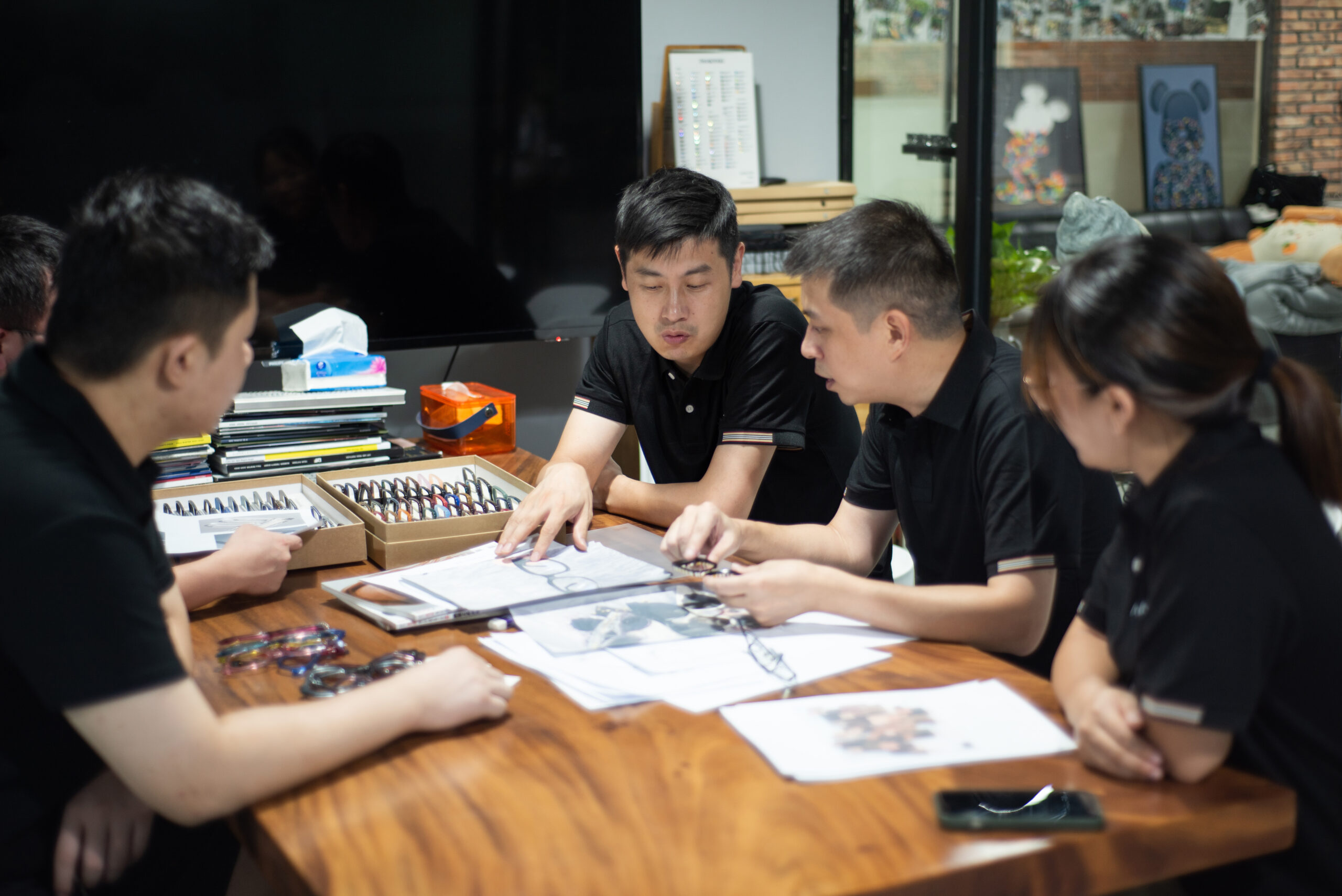
Development begins with the intended customer and sales proposition. Define whether the collection is fashion-led, optical, performance-focused or designed as an accessible everyday range. Identify the target price position, planned quantity, launch window and destination markets.
The creative section of the brief can include mood boards, preferred silhouettes, colour direction and brand codes. The technical section should cover approximate dimensions, material preferences, lens requirements, logo positions, packaging and any performance expectations. Separate essential features from optional ones so trade-offs can be made without losing the core idea.
D Marjan’s eyewear design and development service page provides an overview of the information used to translate a concept into a manufacturable frame.
2. Establish dimensions and construction
Eyewear is a three-dimensional product that interacts directly with the wearer. Lens width, bridge geometry, temple length, frame curve and pantoscopic angle all influence appearance and fit. A concept sketch may show the visual intention, but a technical drawing defines measurable geometry.
The construction must also suit the chosen material. An acetate front, an injection-moulded frame and a metal structure require different allowances, joints and finishing routes. Designers should understand where hinges, screws, nose pads and branding will sit before finalising thin sections or decorative details.
This stage benefits from a manufacturability review. The objective is not to remove personality from the design; it is to identify where a small technical adjustment can preserve the look while improving consistency.
3. Select materials, colours and components
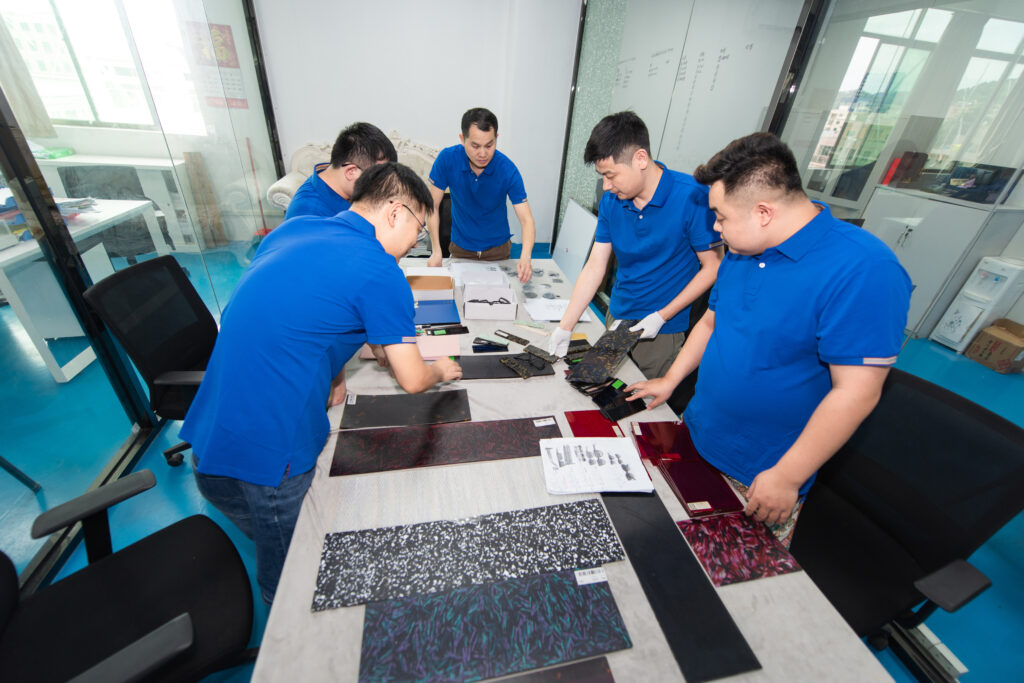
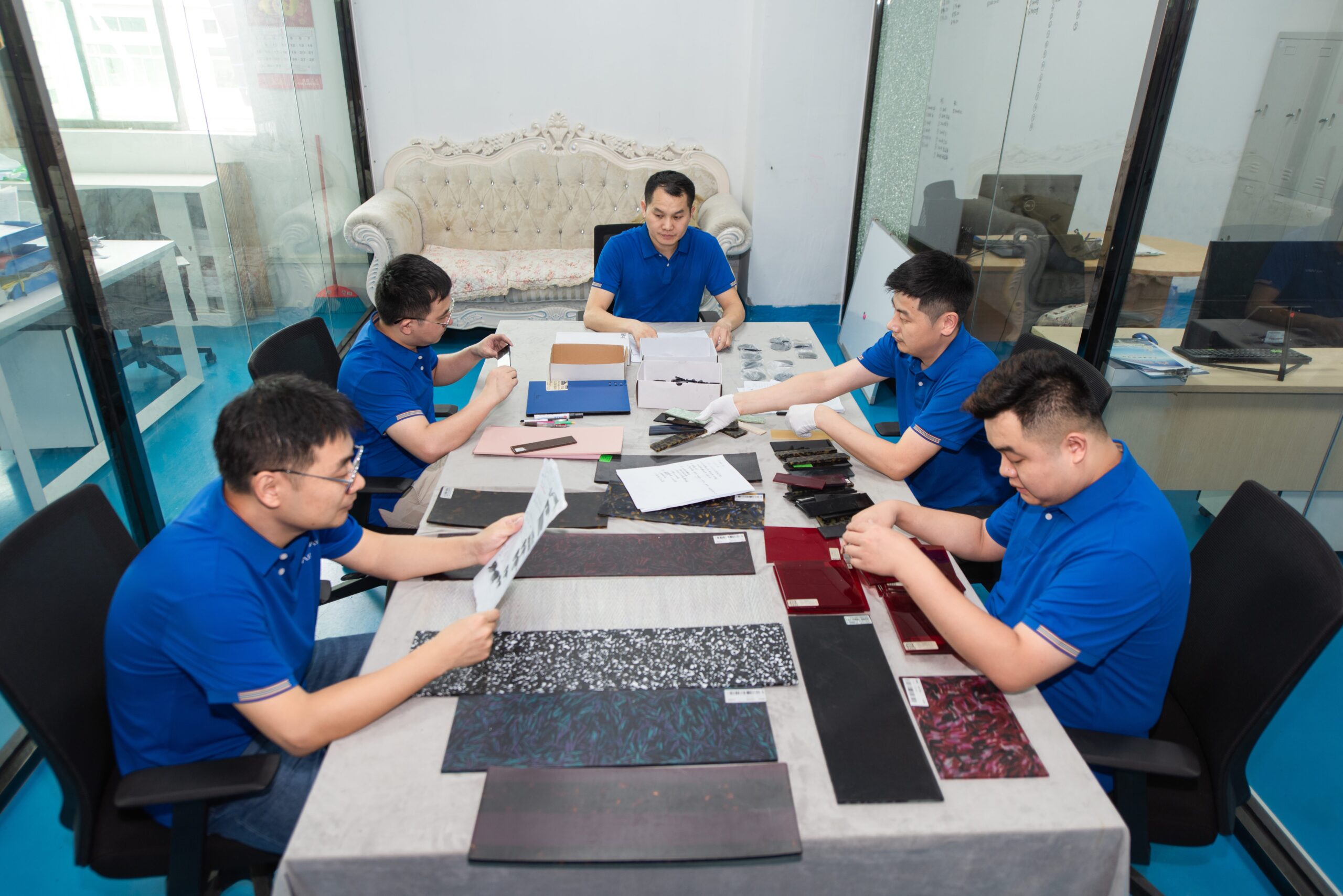
Material selection affects weight, finish, flexibility, tooling and perceived value. Instead of choosing from a name alone, review physical samples and ask how the proposed construction behaves in production. Colour can also vary between digital displays, material sheets, coatings and finished parts.
Approve components with the same care. Hinge type, screws, nose pads and temple cores contribute to function and repairability. Standard components may simplify sourcing, while custom details can strengthen differentiation but require additional development.
D Marjan’s eyewear material solutions page can support an early comparison, but the final material specification should be confirmed against the exact design and intended market.
4. Create and evaluate prototypes
The first prototype is a learning tool, not necessarily a production-ready sample. Review it systematically: overall proportions, fit, weight distribution, lens shape, bridge comfort, temple opening, hinge action, surface finish and logo position. Photograph issues and record measurements so the next revision is unambiguous.
Avoid approving a sample only because it looks good in one photograph. Handle it, fold it, compare it with the drawing and evaluate it on suitable wearers. When several colours are planned, determine whether each colour-material combination needs a physical reference.
The sampling and prototyping process should maintain revision control. A dated change list protects both the brand and manufacturer from producing against an outdated instruction.
5. Define quality and validation requirements
Quality control begins during development. Identify critical dimensions, cosmetic zones, functional checks and acceptable production variation while changes are still possible. Create a specification that complements the approved sample rather than relying on the sample alone.
Standards and regulatory requirements depend on whether the product is optical eyewear, sunglasses, protective equipment or another category, as well as where it will be sold. ISO 12870 covers requirements and test methods for spectacle frames. The official ISO 12870 record is a useful starting reference, but a brand should obtain qualified advice for its specific product and market.
For relevant US products, the FDA publishes official spectacle and sunglasses guidance. Do not describe a product as compliant until the applicable requirements and evidence have been confirmed.
6. Freeze the production package
Production should begin from a controlled package: approved sample, final drawing, bill of materials, colour references, logo artwork, packaging specification and inspection criteria. Every document should carry a revision or date. If a change is accepted after approval, update all affected references.
Before bulk manufacture, confirm tooling status, order quantities per colour, timing assumptions and approval responsibilities. D Marjan’s eyewear quality-control overview explains how production inspection connects back to the approved reference.
Eyewear Product Development in Shenzhen, China
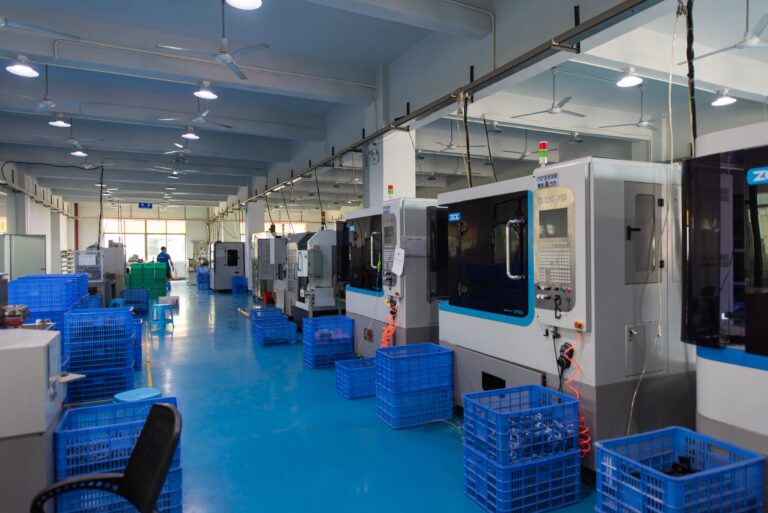
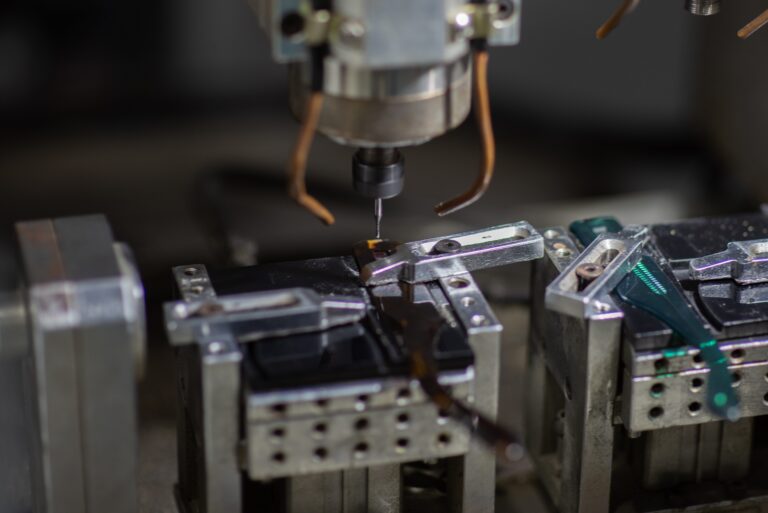
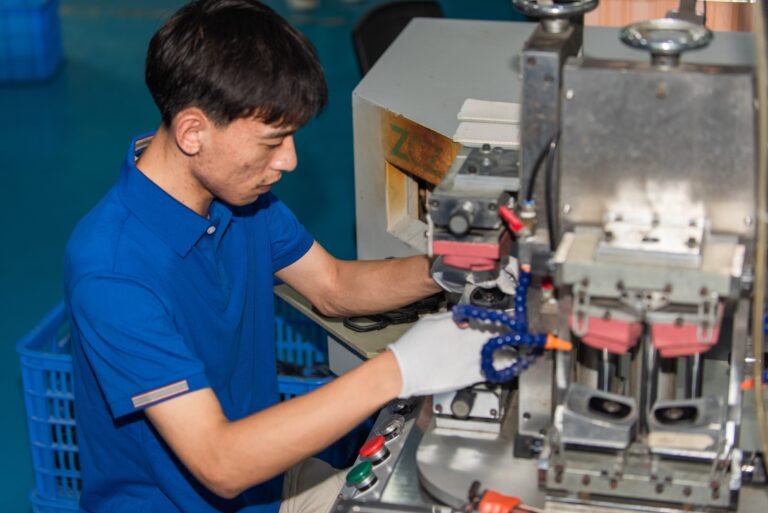
For global eyewear product development, D Marjan Opticals connects design decisions with manufacturing requirements through its Shenzhen, China factory operation. The service supports OEM eyewear development, ODM eyewear design, custom frame prototyping and private-label collection planning. Explore the company’s factory and production environment when evaluating a development partner.
Frequently Asked Questions
Can a brand develop eyewear from a reference photo? A photo can communicate direction, but original technical development is still required. Designs should not copy protected features, and a production-ready product needs defined dimensions and construction.
When should packaging be developed? Packaging should be considered early enough to match product dimensions, protection needs, brand presentation and shipping plans.
What causes unnecessary sampling rounds? Common causes include an unclear brief, conflicting feedback, unapproved materials and changes that are not consolidated into a controlled revision list.
Move Your Eyewear Concept Forward
Send D Marjan your brand brief, reference direction, target quantity and intended market. The team can help organise the design, material, sampling and approval decisions required for a production-ready eyewear project.