

Europe · Sustainability Brief
Sustainable Eyewear Manufacturing for European Brands: Materials, Claims and Proof
A credible sustainability story is built from specific product decisions, supplier information and long useful life—not from broad green vocabulary.
Choosing a sustainable eyewear manufacturer Europe buyers can work with requires more than asking for a fashionable material name. Brands need a measurable brief covering frames, components, packaging, durability and claims.
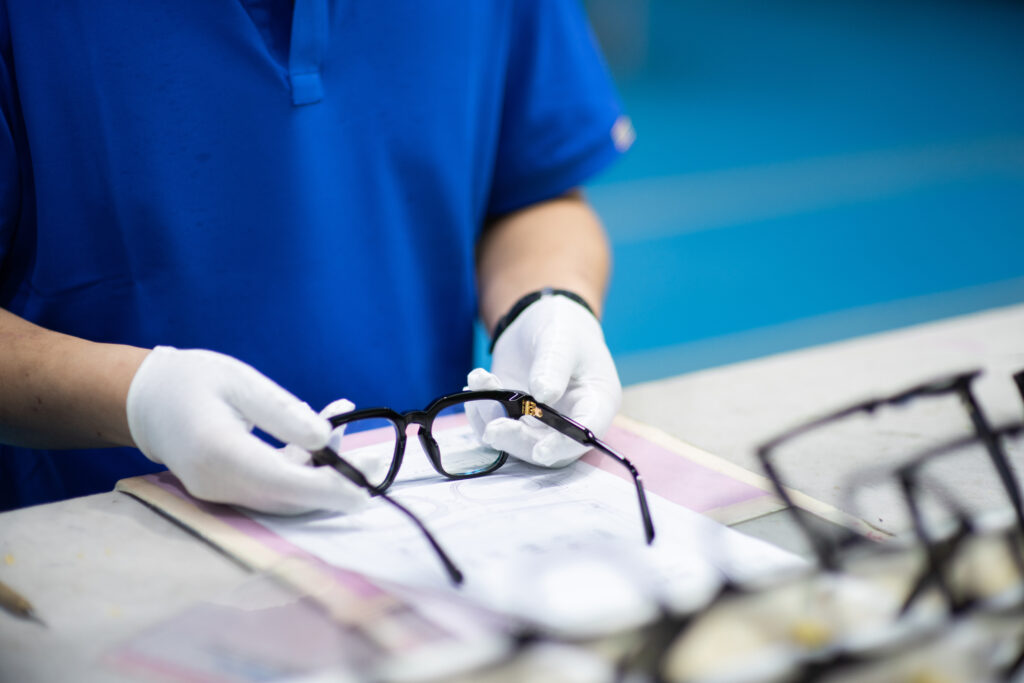
DMARJAN’s Shenzhen factory can explore material and packaging options, create samples and document the approved specification. Final environmental claims should be reviewed for the European markets where the product will be sold.
Define the Priority
Choose whether the project prioritises renewable feedstock, recycled content, lower packaging weight, repairability, durability or several goals. Rank them, because one material rarely optimises every impact.
Compare Materials in the Finished Frame
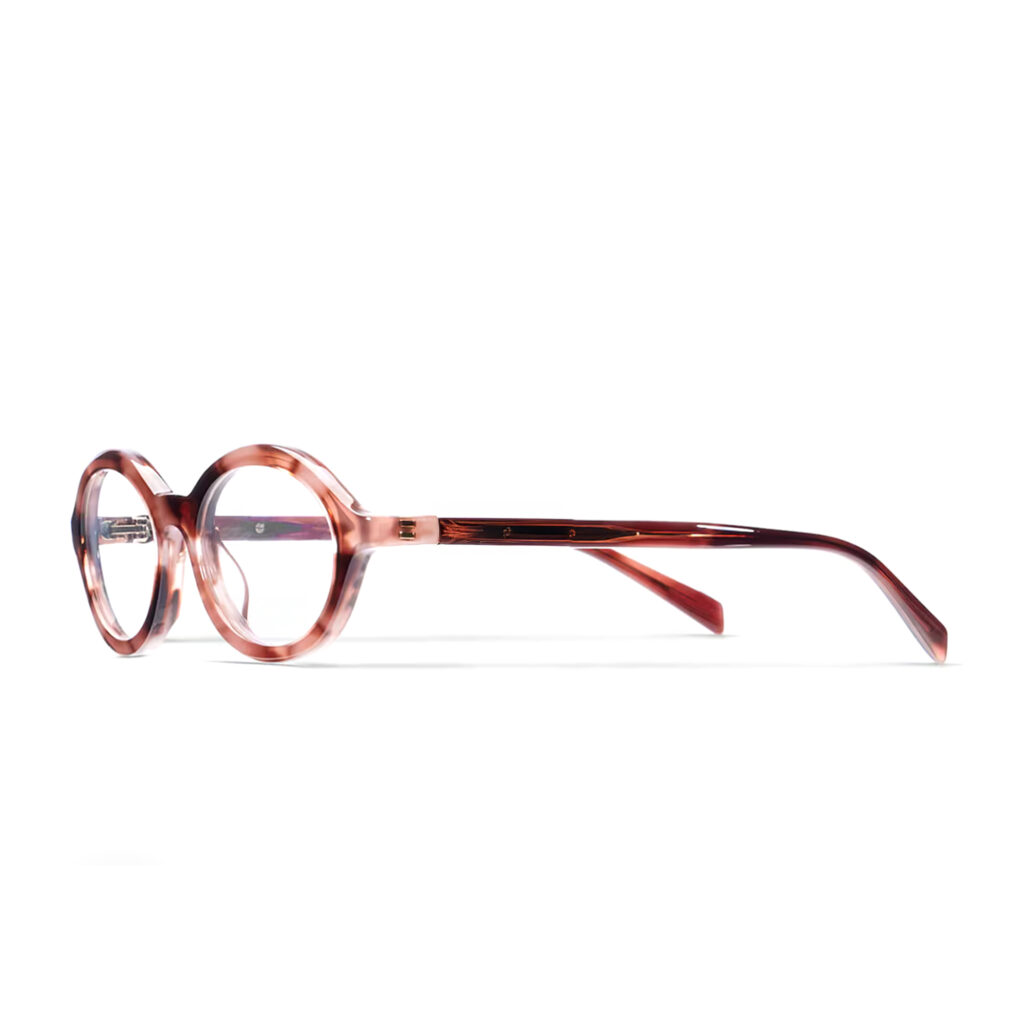
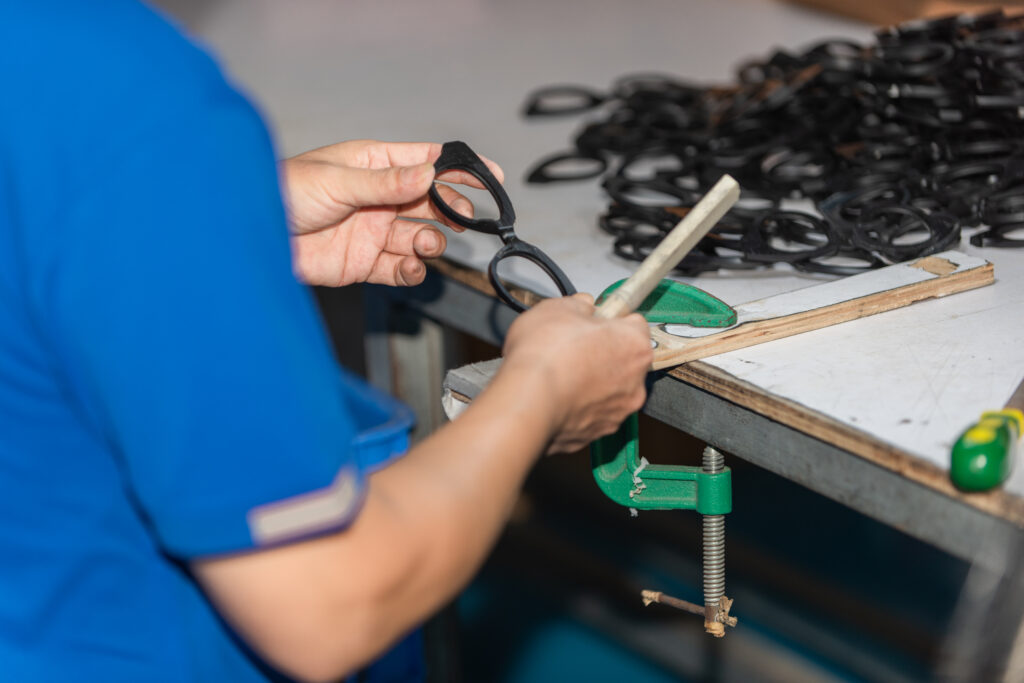
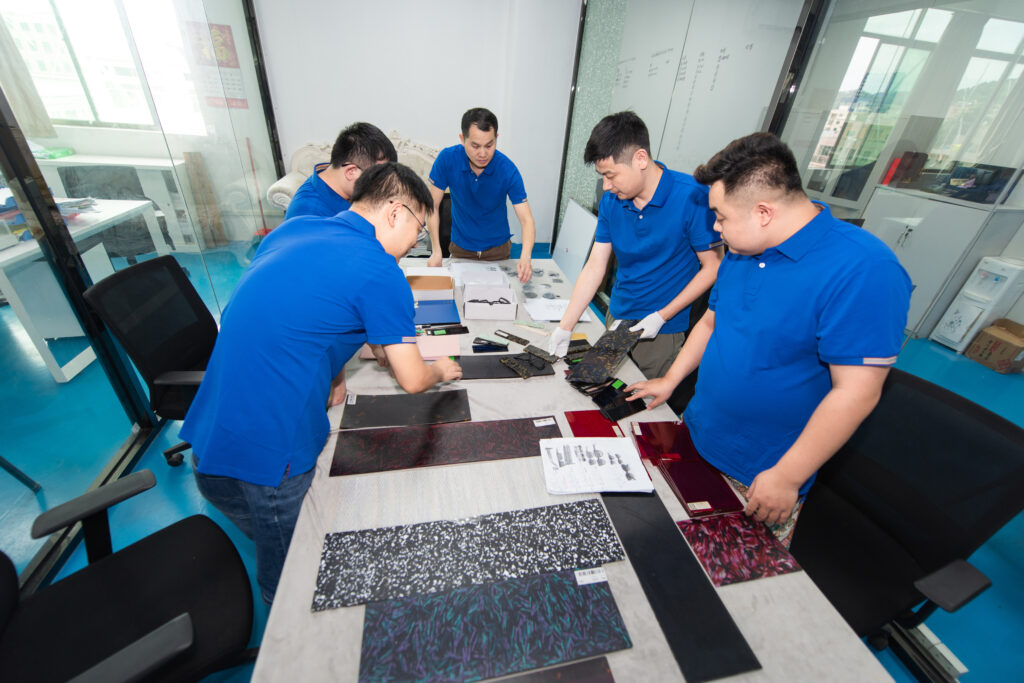
Cellulose acetate, selected recycled-content materials and metals each behave differently during machining, polishing, colouring and assembly. Review pure acetate frame manufacturing and test the actual construction rather than judging raw samples alone.
Design for Longer Use
Hinges, screws, lens fitting and surface finish influence useful life. A durable frame with replaceable components can support a stronger proposition than a fragile product with a headline material.
Demand Evidence for Claims
The European Commission’s circular economy resources show the wider policy direction. Keep supplier declarations and test information tied to the exact material grade, and avoid extending a frame-material claim to the entire product.
Include Packaging in the Brief
Right-sized boxes, fewer unnecessary layers and carefully selected papers can reduce material use. Coordinate custom eyewear packaging with design development so the complete experience is sampled together.
Sustainability is strongest when a buyer can identify the exact decision, evidence and product benefit behind every claim.
Frequently Asked Questions
Is bio-acetate automatically biodegradable?
No. Bio-based content and end-of-life behaviour are different properties and require product-specific evidence.
Can sustainable packaging be private-labelled?
Yes, subject to material availability, printing, construction, order quantities and sample approval.
Who approves environmental claims?
The brand should use qualified legal and compliance advice for each selling market.
Create a Verifiable Sustainability Brief
Tell us which environmental outcomes matter most so we can assess materials, construction and packaging through a Shenzhen sample.