

Asia Markets · Private Label
Private-Label Eyewear for Indonesia, Malaysia, Singapore and South Korea
Four markets, four customer contexts and one disciplined Shenzhen manufacturing workflow.
Developing private label eyewear Asia collections for Indonesia, Malaysia, Singapore and South Korea requires more than applying one regional label to the same product. Climate, retail channels, price positioning, fit expectations and design preferences should shape the brief for each country.
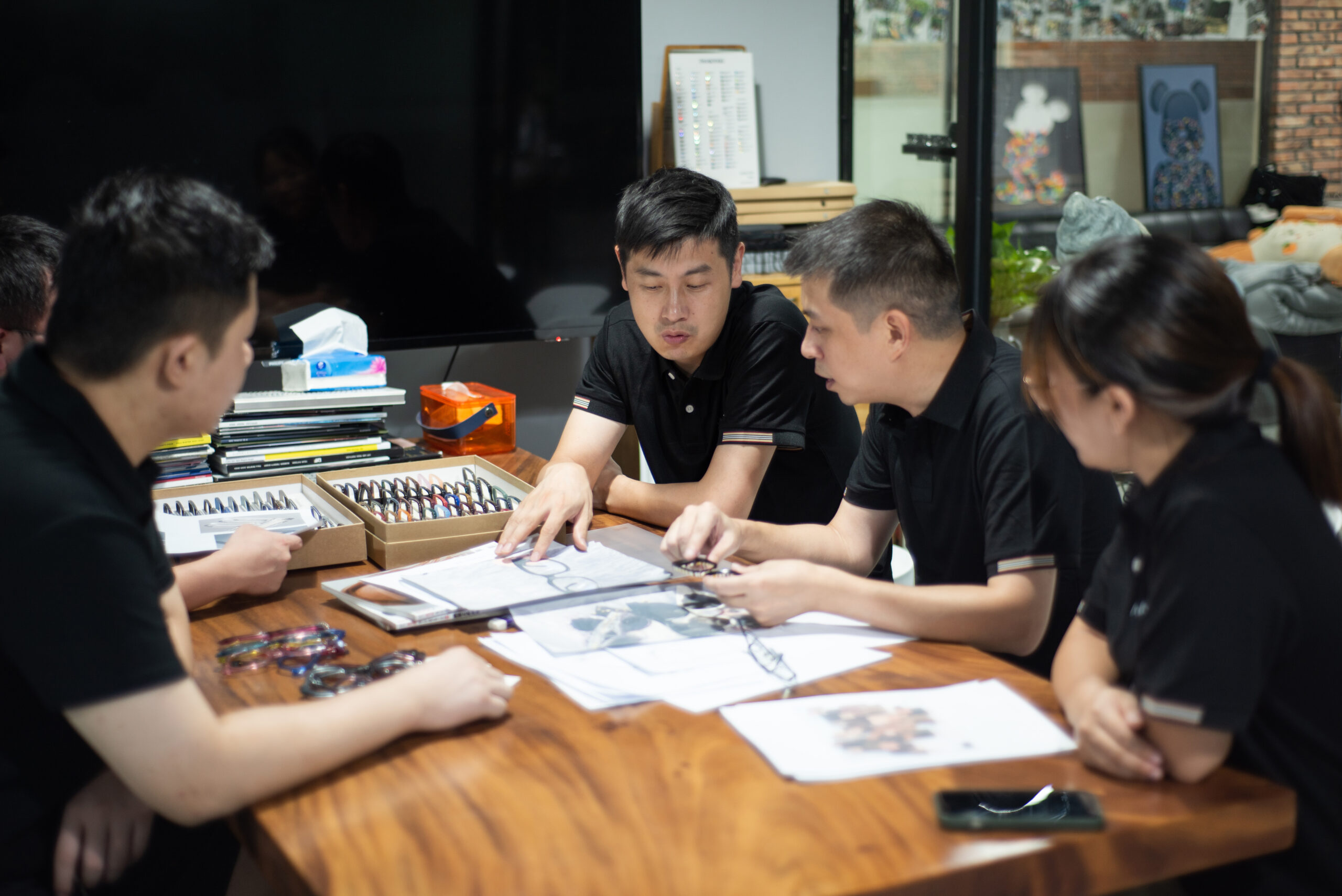
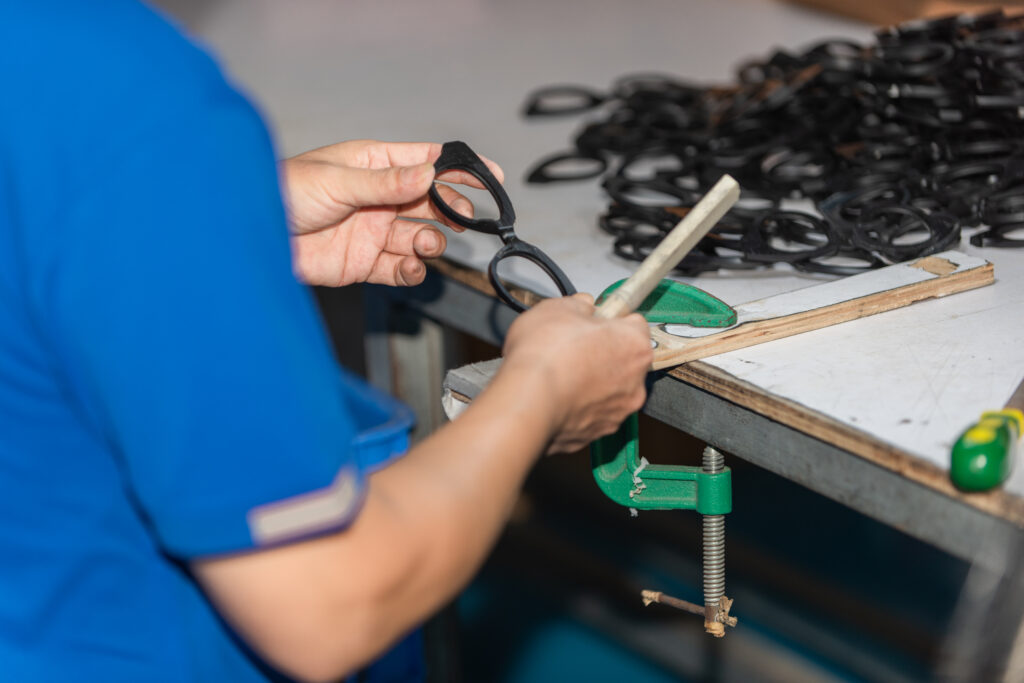
DMARJAN manufactures in Shenzhen for international eyewear brands. We can coordinate product development, samples, branding, packaging, production and quality control, while each importer confirms current local standards, customs and consumer-information duties.
Indonesia: Build for Climate, Scale and Channel Variety
Indonesia combines a large, diverse customer base with tropical heat and humidity. Brands should evaluate lightweight construction, comfortable bridges, corrosion-conscious components and finishes that tolerate frequent handling. Product architecture may differ between optical stores, fashion retailers, marketplaces and direct-to-consumer channels.
Start with a focused price tier and a clear sunglass or optical-frame role. Confirm Bahasa Indonesia information, importer details and market claims with qualified local specialists before packaging approval.
Malaysia: Balance Everyday Comfort With Premium Presentation
Malaysia supports value, mid-market and premium eyewear opportunities. Frames should be comfortable in warm, humid conditions, while lenses and coatings need a precise, evidence-based specification. A coordinated case and retail box can help private-label collections compete without adding unnecessary packaging layers.
Indonesia and Malaysia are ASEAN markets, but they are not interchangeable. The ASEAN Trade Repository provides official links to country-level procedures and documentary requirements; importers should verify the current rules for their own product.
Singapore: Precision, Documentation and Retail Readiness
Singapore buyers often need clean specifications, reliable documentation and polished presentation. Product identifiers, commercial invoices, packing lists and carton information should use consistent model references. Singapore Customs explains its current import procedures and permit framework.
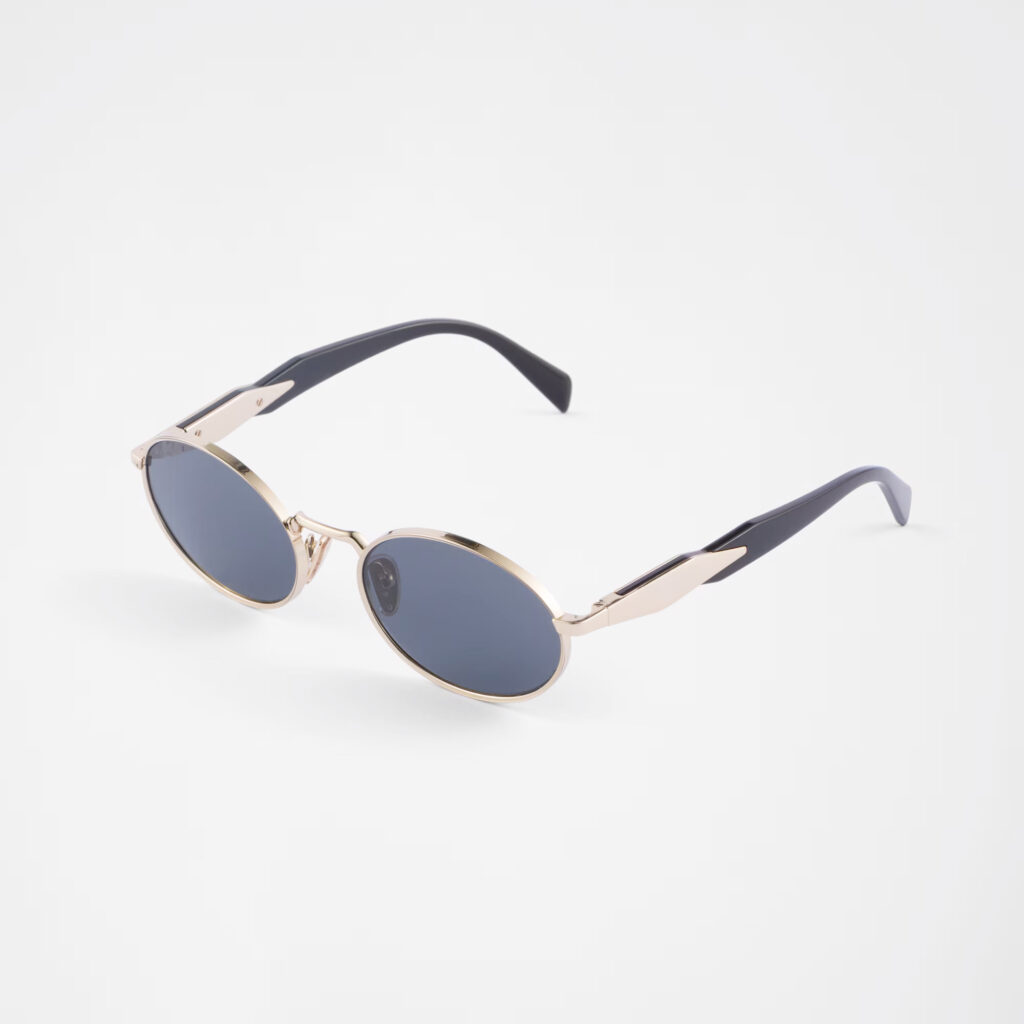
For a compact market, a tightly edited collection can protect inventory efficiency. Use ODM private-label eyewear when proven frame foundations with distinctive colours, lenses and branding provide the right balance.
South Korea: Design Detail, Finish and Fast Product Evaluation
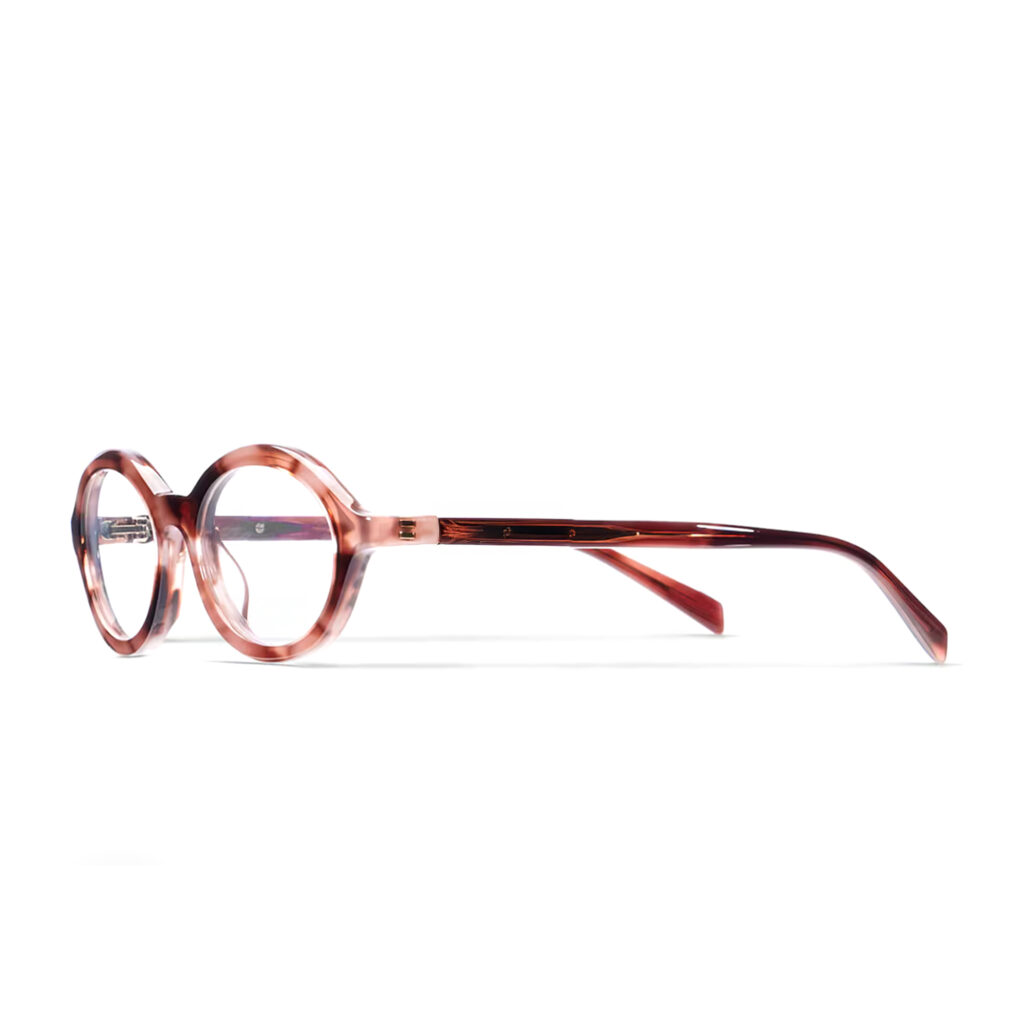
South Korea should be treated as a distinct market rather than grouped casually with Southeast Asia. Frame proportion, surface finish, colour direction and brand presentation deserve careful physical review. A small number of strong, well-resolved styles can create a clearer proposition than a wide generic catalogue.
Korea Customs Service provides an official English overview of the import declaration process. The Korean importer should also confirm product-specific safety, labelling and conformity requirements with qualified advisers.
Use One Factory Workflow Without Making One Generic Collection
A shared Shenzhen development process can create efficiency across all four markets while preserving country-specific decisions. Keep common components where they genuinely fit, then vary colour, lens, packaging or size only when customer and channel evidence supports the change.
- Define target customer and price separately for Indonesia, Malaysia, Singapore and South Korea.
- Approve fit and colour through eyewear sampling and prototyping.
- Coordinate cases, cloths and printed information through custom eyewear packaging.
- Inspect every approved configuration through eyewear quality control.
Plan Reorders Before the First Production Run
Record model codes, frame materials, lens specifications, component finishes, artwork versions and packaging for each country. Decide which elements are common and which are market-specific. This makes replenishment more predictable and reduces the risk of sending the wrong language, label or product configuration to a market.
The strongest regional collection shares a reliable manufacturing system—not a one-size-fits-all product.
Frequently Asked Questions
Can one eyewear collection serve all four countries?
Selected frames may work across markets, but customer, fit, language, import and product requirements should be reviewed separately for each country.
Are Indonesia, Malaysia, Singapore and South Korea one compliance market?
No. Indonesia, Malaysia and Singapore are ASEAN members, while South Korea has its own customs and regulatory framework. Importers need country-specific advice.
Can DMARJAN customise packaging for each country?
Yes, subject to artwork, language approval, production feasibility and quantity requirements. Final legal content remains the brand and importer’s responsibility.
Develop a Four-Market Eyewear Strategy
Share your customers, channels, price tiers and launch quantities for Indonesia, Malaysia, Singapore and South Korea. DMARJAN can map a practical ODM, OEM or hybrid development route through Shenzhen.