Europe / United Kingdom · Eyewear Manufacturing Guide
OEM vs ODM Eyewear Manufacturing: The Smarter Choice for European Brands
OEM and ODM are not competing labels. They are two development routes—and the smarter choice depends on originality, timing, investment and internal design capability.
European brands often enter a supplier conversation asking for “custom eyewear” without defining how original the product needs to be. That creates confusion about design ownership, development work, sampling and timing.
DMARJAN supports both OEM and ODM eyewear through its Shenzhen factory. Understanding the difference helps a brand choose the right level of development before costs and deadlines are committed.
OEM: Build From Your Original Product Direction
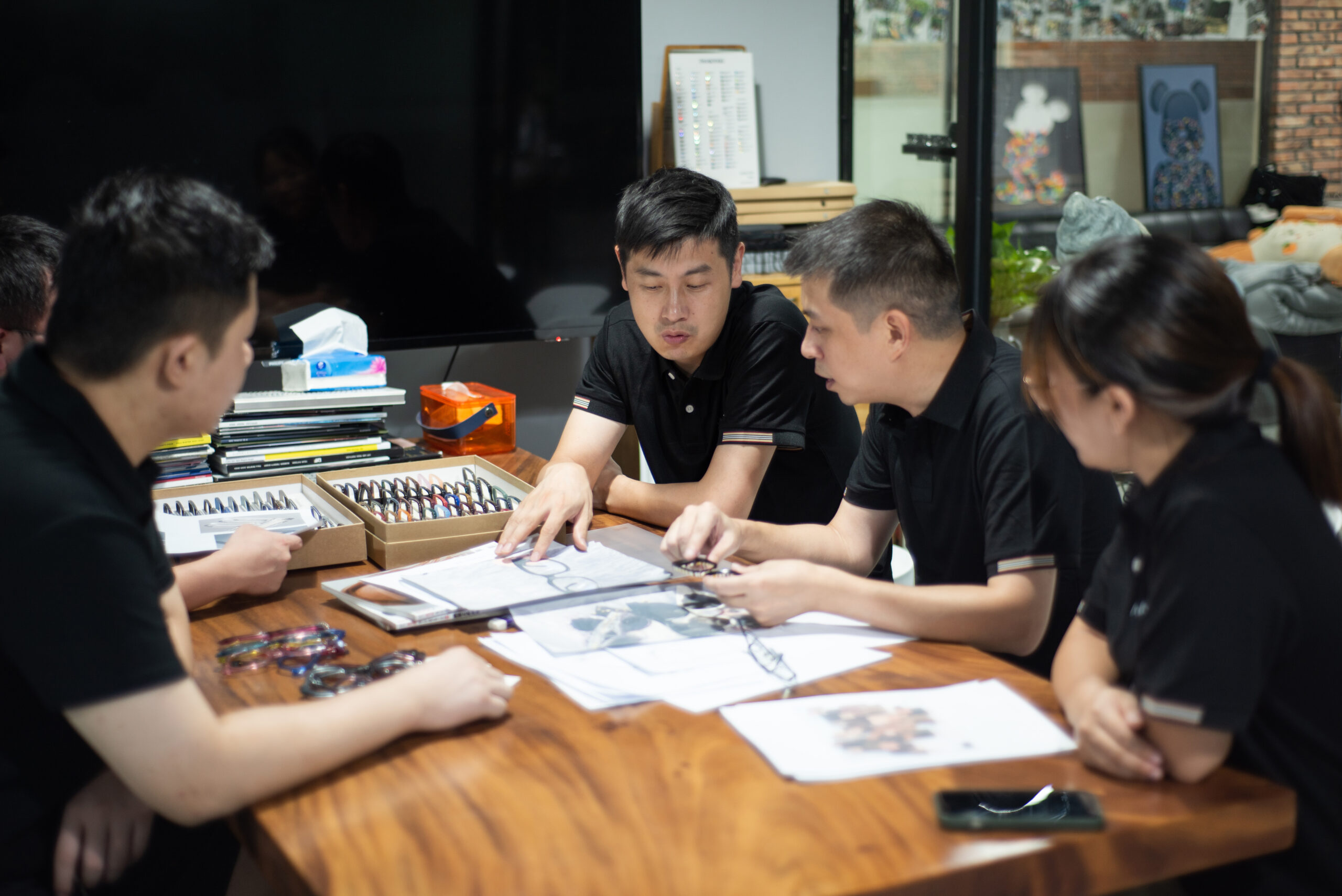
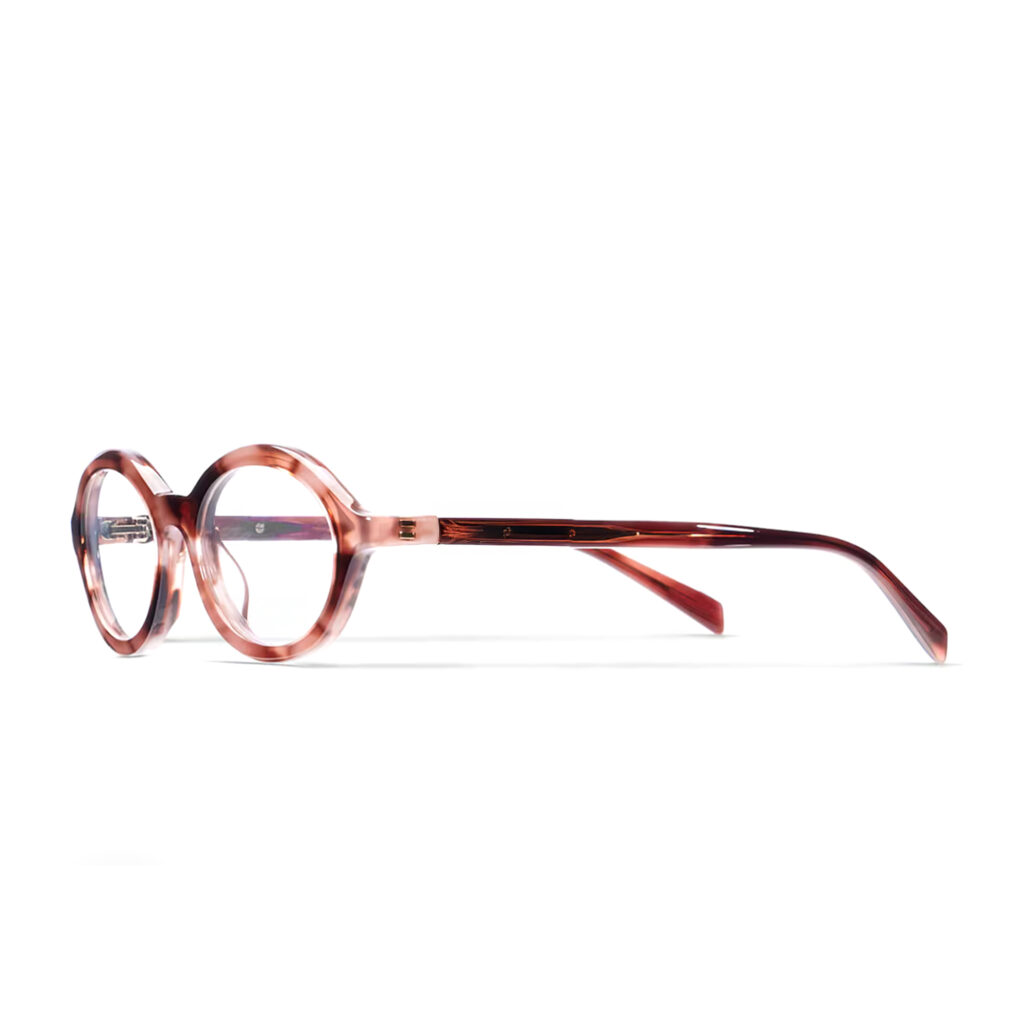
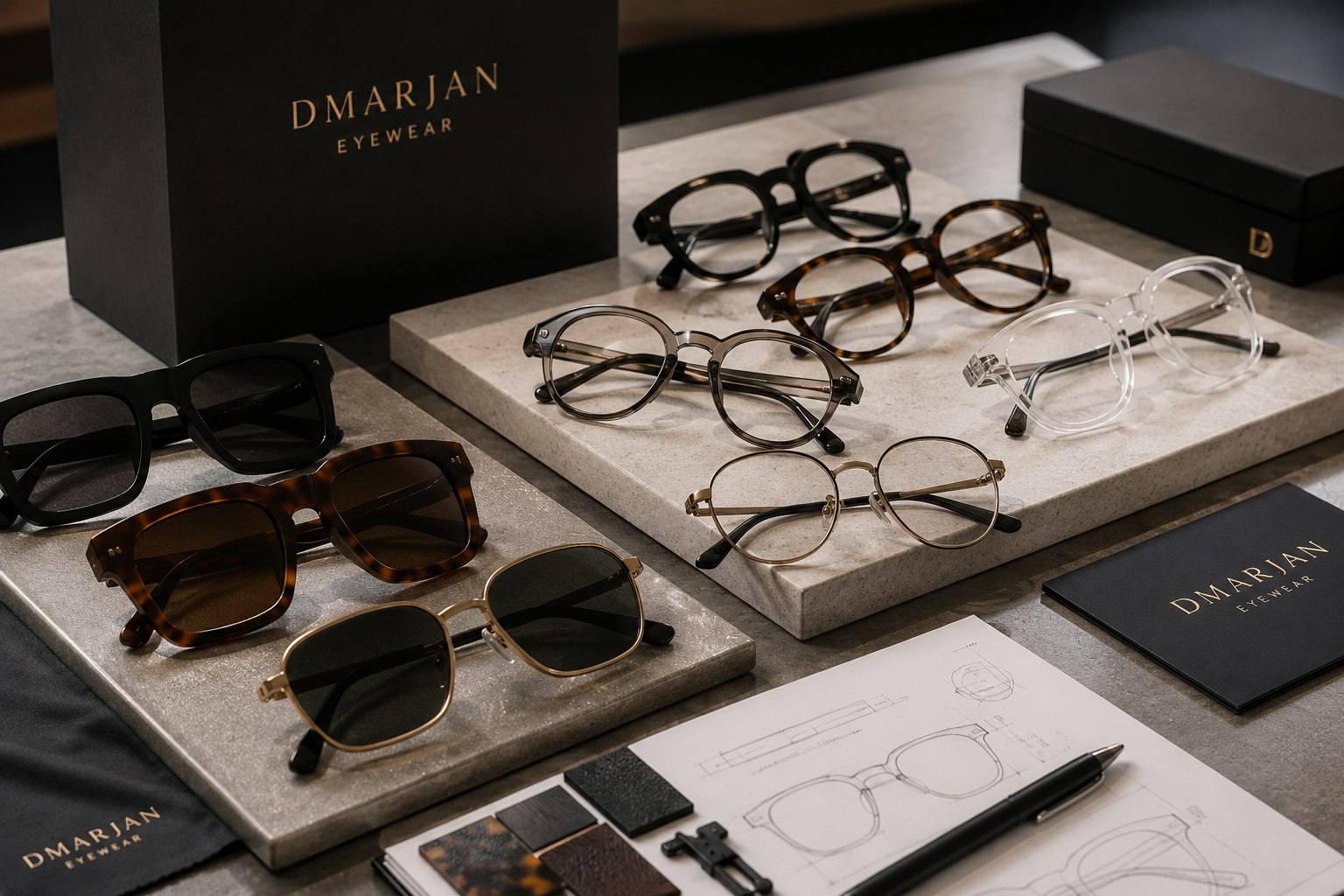
OEM development starts with your concept, sketch, reference or technical brief. The manufacturer helps engineer the frame, develop components and produce samples for review.
This route suits brands whose differentiation depends on original proportions, construction, signature details or a recognisable design language.
ODM: Start From a Developed Style and Customise
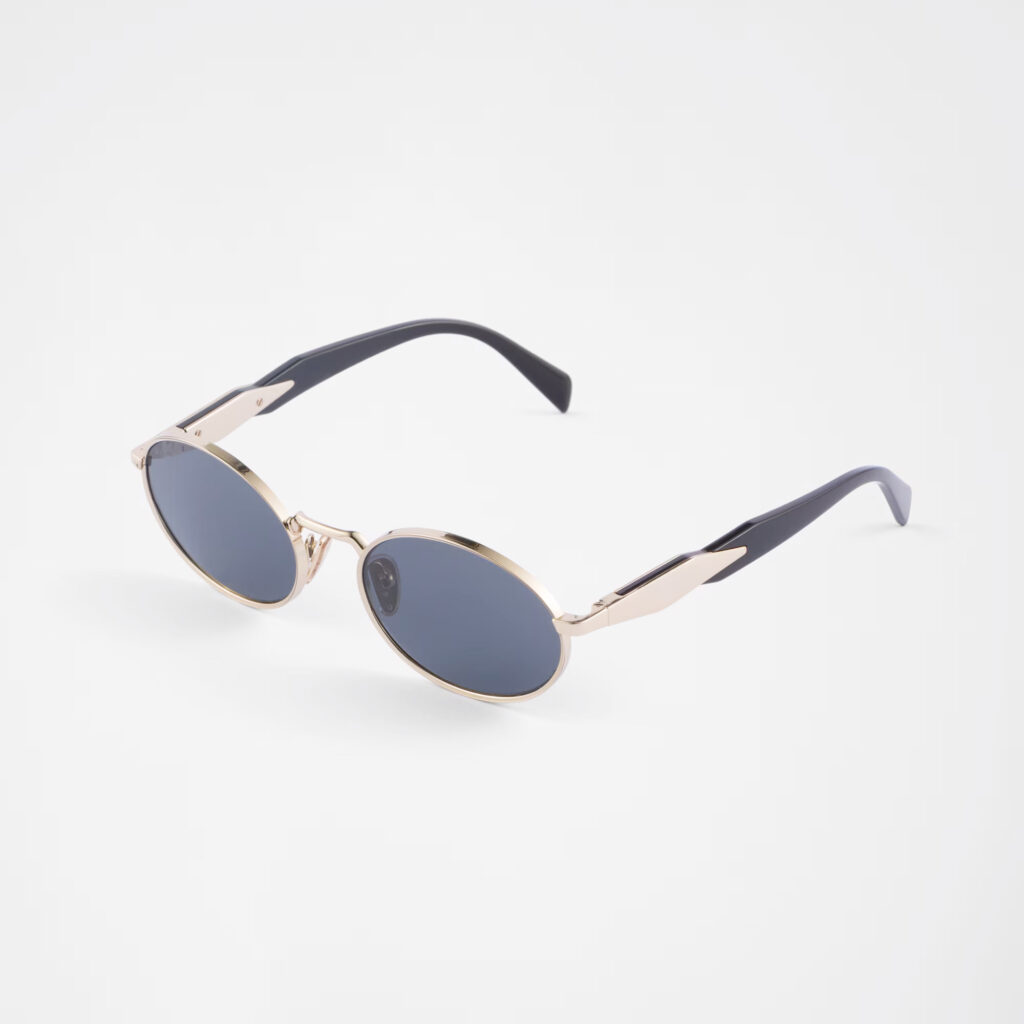
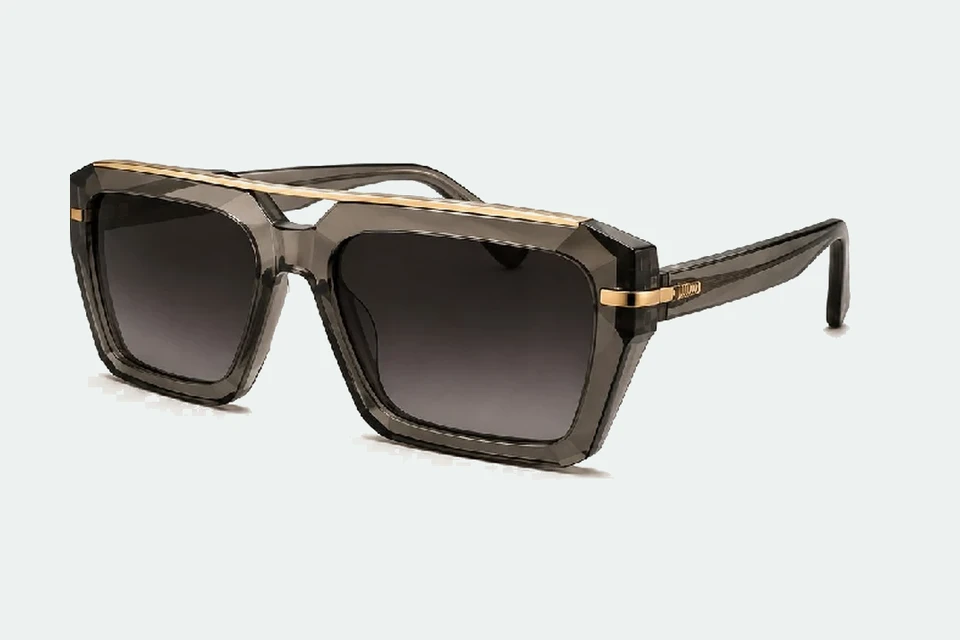
ODM begins with an existing developed frame direction. The brand selects a suitable base and customises elements such as colour, lens, logo, surface treatment and packaging.
It can reduce development complexity and support a faster market entry, but the brand still needs a disciplined selection and sampling process to create a coherent collection.
A Simple Decision Framework for European Teams
- Choose OEM when product originality is central to the brand.
- Choose ODM when speed and controlled customisation are the priority.
- Use a hybrid collection only when both routes share one clear brand language.
- Confirm expectations for design, tooling, revisions and samples at the start.
How DMARJAN’s Shenzhen Factory Supports Both Routes
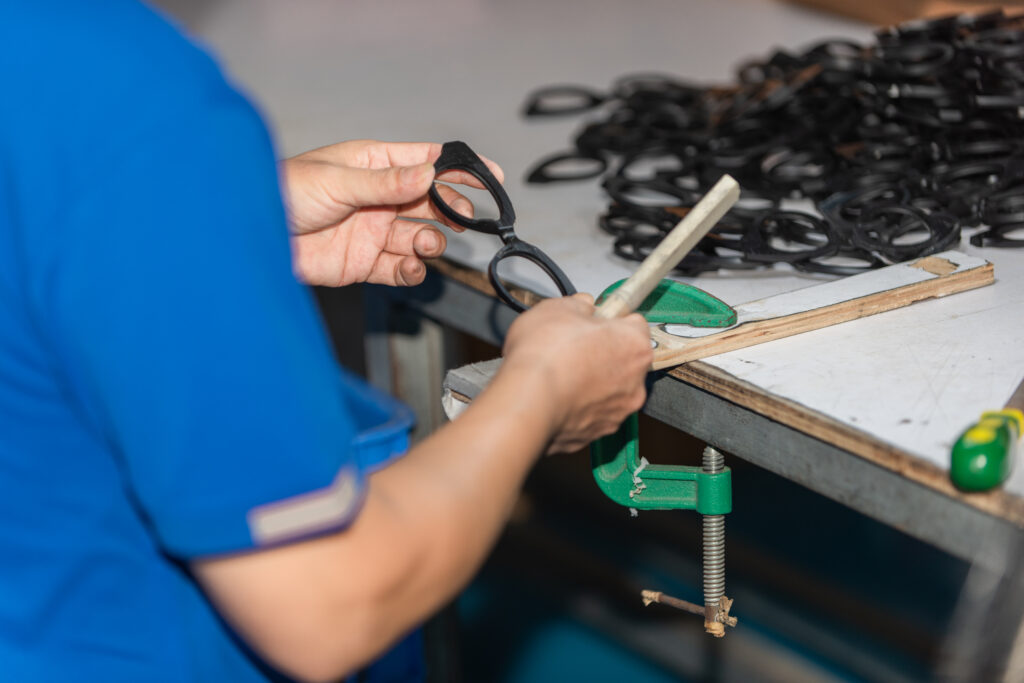
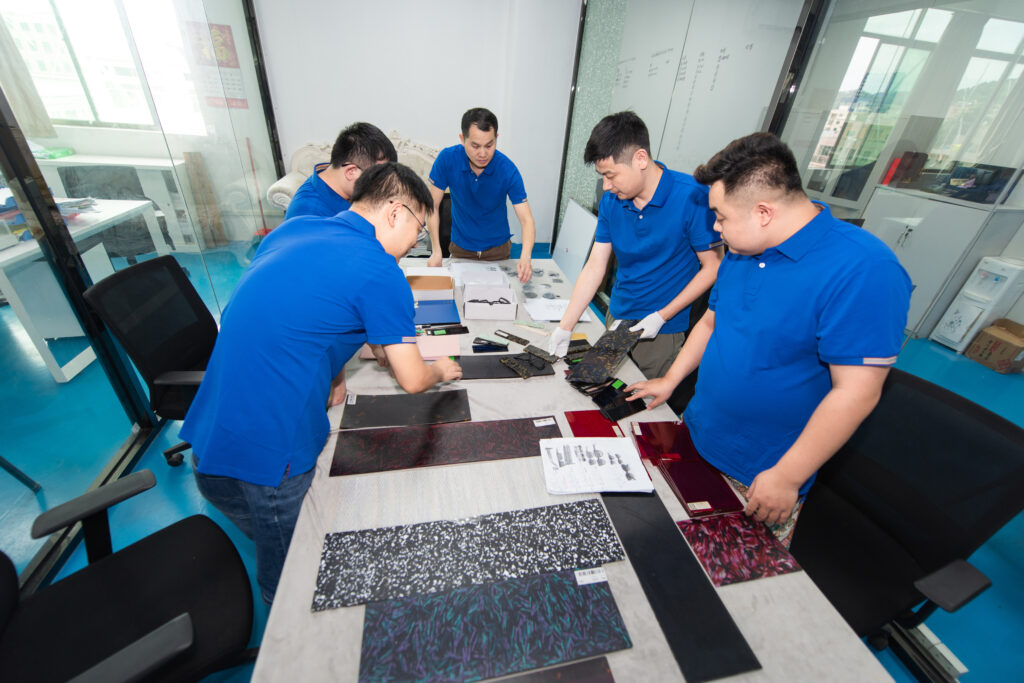
OEM and ODM still depend on factory execution. DMARJAN connects design interpretation, material selection, sample development, production, branding and quality checks through its Shenzhen team.
That means a European client can discuss commercial goals with an international-facing team while the product decisions remain connected to the people responsible for making the frame.
Do Not Skip the Approved Sample
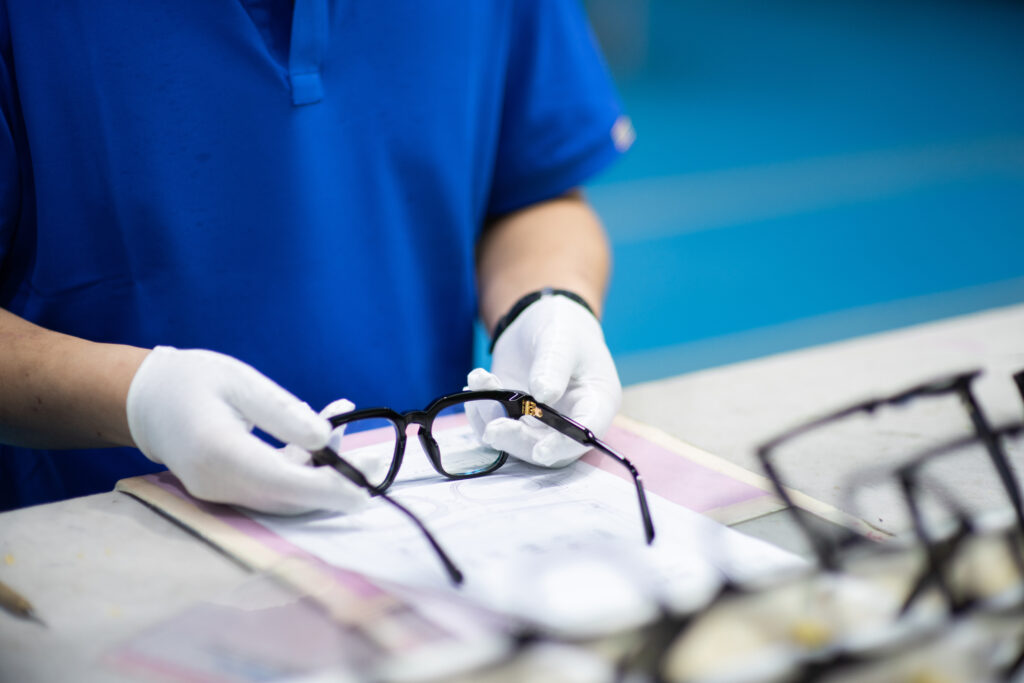
Even with a developed ODM style, the final combination of colour, lens, logo and packaging must be reviewed. For OEM, sampling is even more critical because the product begins with new technical decisions.
In both routes, the approved sample and specification should become the reference for production.
OEM gives you a blank page. ODM gives you a head start. DMARJAN’s role is to make either route commercially clear and manufacturing-ready.
Frequently Asked Questions
Is ODM the same as buying ready stock?
Not necessarily. ODM uses a developed product base but can include planned changes to colour, lenses, branding and packaging before production.
Does OEM always take longer?
OEM usually involves more development and sampling because the product begins with a more original brief. Timing depends on complexity and revision cycles.
Can DMARJAN advise which route fits our collection?
Yes. The team can review your concept, timing and customisation needs and recommend an appropriate development path.
Choose the Right Development Route
Let DMARJAN review your brief and map the OEM or ODM journey through our Shenzhen factory.