How to Start an Eyewear Brand with Custom OEM Manufacturing
Starting an eyewear brand can be an exciting opportunity for fashion entrepreneurs, designers, influencers and established businesses. Eyewear combines function, fashion and personal identity, making it a valuable product category for brands looking to expand their collections. However, launching a successful eyewear brand involves more than selecting attractive frame shapes and adding a logo. Brand owners must make decisions about product positioning, materials, frame measurements, lenses, sampling, production quantities, quality control, packaging and delivery. Custom OEM eyewear manufacturing provides a structured way to transform an original concept into a complete eyewear collection. This guide explains how to start an eyewear brand and manage each stage professionally.
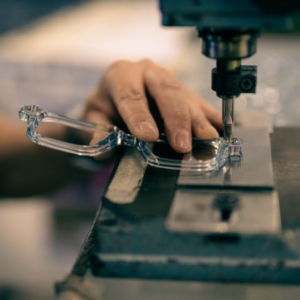
What Is OEM Eyewear Manufacturing?
OEM stands for Original Equipment Manufacturing. In OEM eyewear manufacturing, a brand works with a manufacturer to develop eyewear according to its own designs, specifications and identity. The final products are manufactured for the client’s brand rather than sold as generic ready-made frames. An OEM project may involve:
- Original frame shapes
- Custom dimensions
- Selected frame materials
- Custom colours
- Specific lens options
- Logo engraving or printing
- Custom hinges and components
- Branded packaging
- Product quality requirements
This approach is suitable for brands that want greater control over their products and do not want to rely entirely on existing stock designs.
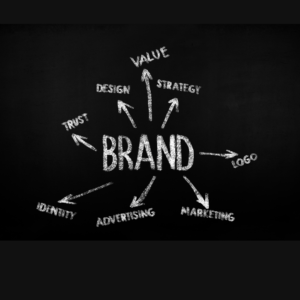
Step 1: Define Your Eyewear Brand
Before beginning product development, you should clearly define what your eyewear brand represents. Consider the following:
- Who is your target customer?
- What age group will you serve?
- Will your products be for men, women or unisex customers?
- Will you sell sunglasses, optical frames or both?
- Will your positioning be affordable, premium or luxury?
- Which countries will you target?
- What makes your brand different?
A clear brand identity helps guide future decisions about frame design, materials, colours, packaging and retail pricing. For example, a premium fashion brand may focus on handmade acetate sunglasses with distinctive silhouettes. A minimalist optical brand may prefer lightweight titanium frames and neutral colours. A sports brand may require flexible frames and high-performance lenses.
Step 2: Study Your Target Market
Market research helps you identify opportunities and avoid developing products that do not match customer demand.
Review other eyewear brands serving a similar audience. Study their:
- Product styles
- Materials
- Retail prices
- Customer reviews
- Packaging
- Website presentation
- Social media content
- Brand messaging
You should also look for gaps in the market. Perhaps customers are looking for lightweight oversized sunglasses, premium optical frames for professionals or eyewear designed to complement fashion collections. The objective is not to copy competitors. It is to understand the market and develop a stronger, more focused product concept.

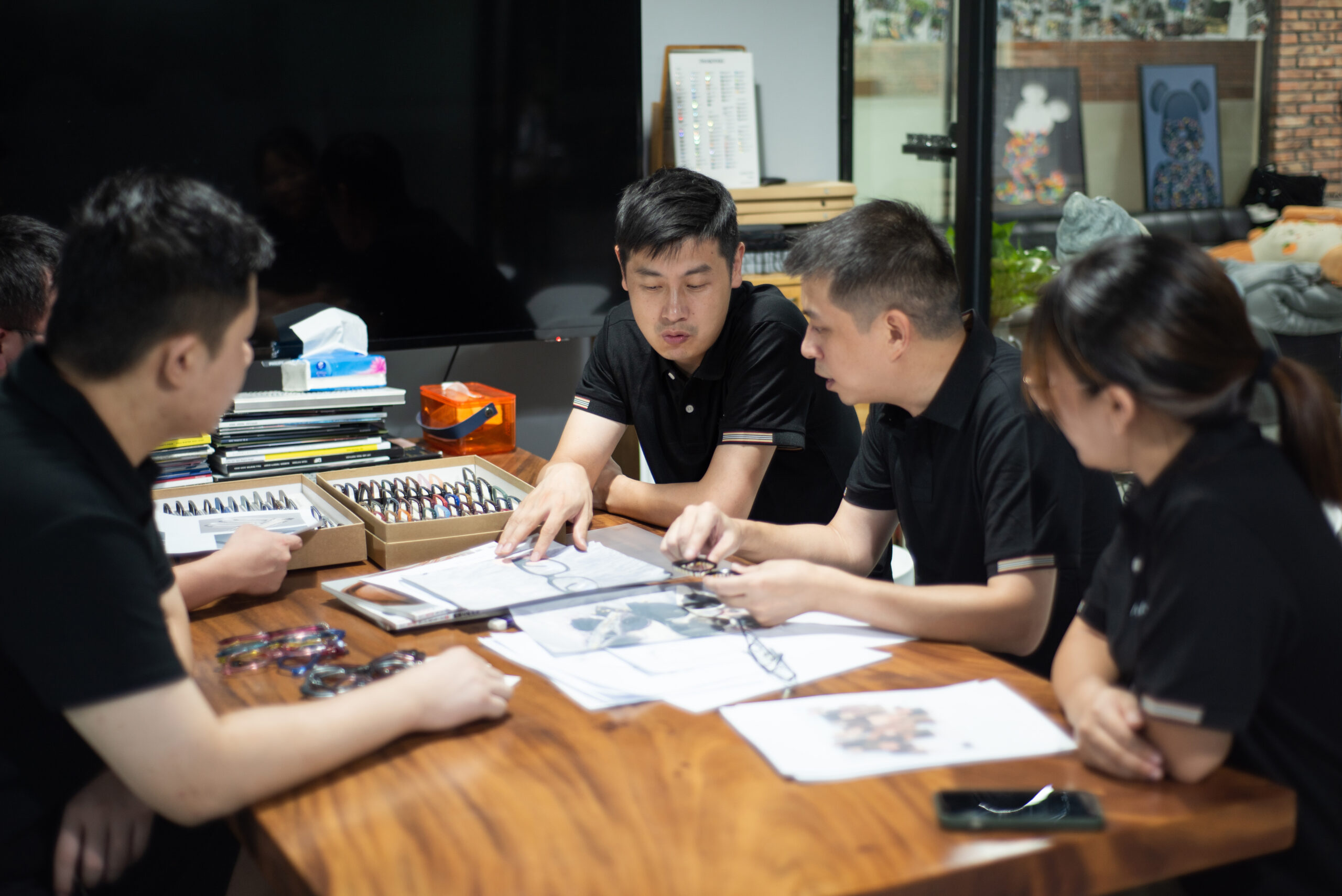
Step 3: Create a Product Brief
A product brief gives your OEM eyewear manufacturer clear direction.
Your brief may include:
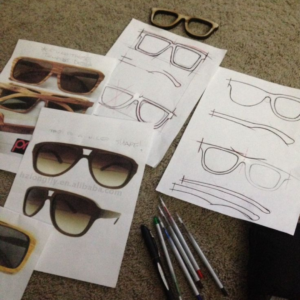
- Reference images
- Hand-drawn sketches
- Mood boards
- Preferred frame shapes
- Measurements
- Material preferences
- Colour references
- Lens requirements
- Logo placement
- Packaging ideas
- Target retail price
- Expected order quantity
Even if you do not have technical drawings, a detailed visual brief can help the design team understand your idea. The manufacturer may then develop CAD drawings, technical specifications or three-dimensional renders before producing the physical sample.
Step 4: Choose the Right Frame Material
Material selection affects the product’s appearance, weight, comfort, durability and cost.
Acetate
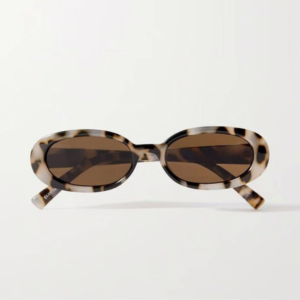
Acetate is commonly used for premium fashion eyewear. It offers rich colours, layered patterns and a polished finish. It is suitable for:
- Bold fashion sunglasses
- Premium optical frames
- Thick frame designs
- Custom colour combinations
Titanium
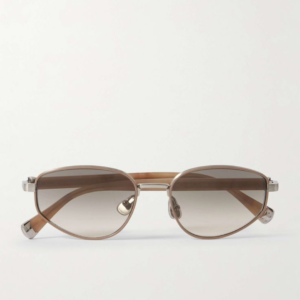
Titanium is lightweight, corrosion-resistant and strong. It is often selected for premium optical collections and minimalist designs. It is suitable for:
- Thin optical frames
- Lightweight eyewear
- Premium collections
- Customers who value comfort
Stainless Steel
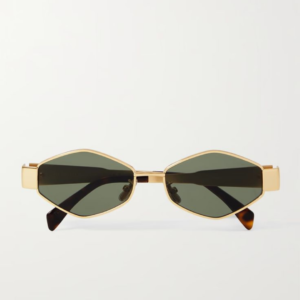
Stainless steel provides durability and design flexibility at a more accessible cost than titanium. It is suitable for:
- Slim metal frames
- Modern sunglasses
- Fashion optical collections
- Different plating finishes
TR90
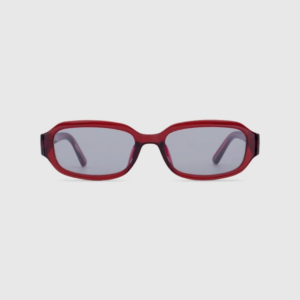
TR90 is lightweight, flexible and impact-resistant. It is suitable for:
- Sports eyewear
- Children’s frames
- Everyday optical products
- Lightweight collections
The correct material should support your design, target customer and planned retail price.
Step 5: Select Your Lens Options
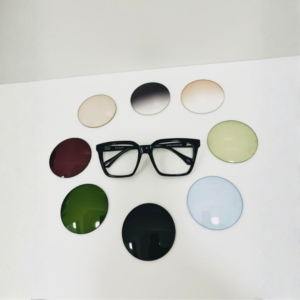
Lenses are an important part of product development, especially for sunglasses. Common options include:
- UV400 lenses
- Polarized lenses
- Nylon lenses
- Resin lenses
- Gradient lenses
- Mirrored lenses
- Photochromic lenses
- Anti-blue-light lenses
Your choice should depend on the product purpose. For example, polarized lenses may be suitable for driving, outdoor and lifestyle collections. Nylon lenses can provide optical clarity and impact resistance for premium products. Gradient lenses may be selected for fashion-focused sunglasses.
Step 6: Find the Right OEM Eyewear Manufacturer
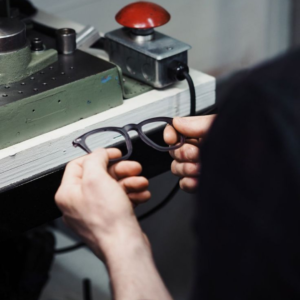
Choosing the right manufacturing partner can significantly affect the success of your project. A professional OEM eyewear manufacturer should provide:
- Design-development support
- Material guidance
- Technical drawings
- Sample production
- Clear quotations
- Realistic timelines
- Quality-control procedures
- Packaging support
- International shipping coordination
- Consistent communication
Avoid selecting a manufacturer based only on the lowest unit price. An inexpensive quotation may not include the same material quality, finishing, lens standard, quality control or development support as a more complete offer. The goal should be to find a reliable production partner that understands your brand and can support future collections.
Step 7: Understand MOQ
MOQ means minimum order quantity. For custom OEM eyewear, the MOQ may depend on:
- Frame material
- Design complexity
- Number of colours
- Custom tooling
- Lens specifications
- Components
- Packaging requirements
A common custom production structure may begin from approximately 300 pieces per design , distributed across two or three colours. However, the exact MOQ should always be confirmed according to the project. New brands should plan quantities carefully. Ordering too much can create inventory pressure, while ordering too little may increase the unit cost.
Step 8: Develop a Physical Sample
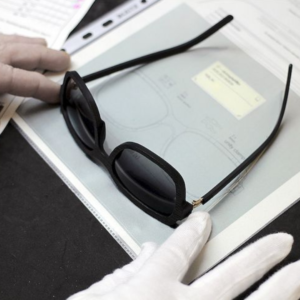
The physical sample allows you to evaluate the product before mass production. During sample review, check:
- Frame shape
- Width and height
- Bridge fit
- Temple length
- Material
- Colour
- Surface finishing
- Logo position
- Hinge movement
- Lens appearance
- Overall comfort
Sampling is one of the most important stages of custom eyewear manufacturing. Do not approve the product only from drawings or renders. A physical prototype helps you identify fit, proportion and construction issues that may not be visible digitally.
Step 9: Approve Packaging and Branding
Packaging helps create the complete brand experience. Your eyewear packaging may include:
- Branded case
- Cleaning cloth
- Retail box
- Warranty card
- Product information card
- Protective sleeve
- Barcode label
- Shipping carton
Logos can also be applied to the frame through:
- Printing
- Laser engraving
- Metal emblems
- Temple plaques
- Lens logos
- Custom internal markings
Confirm all artwork, dimensions, colours and positions before production.
Step 10: Begin Bulk Production
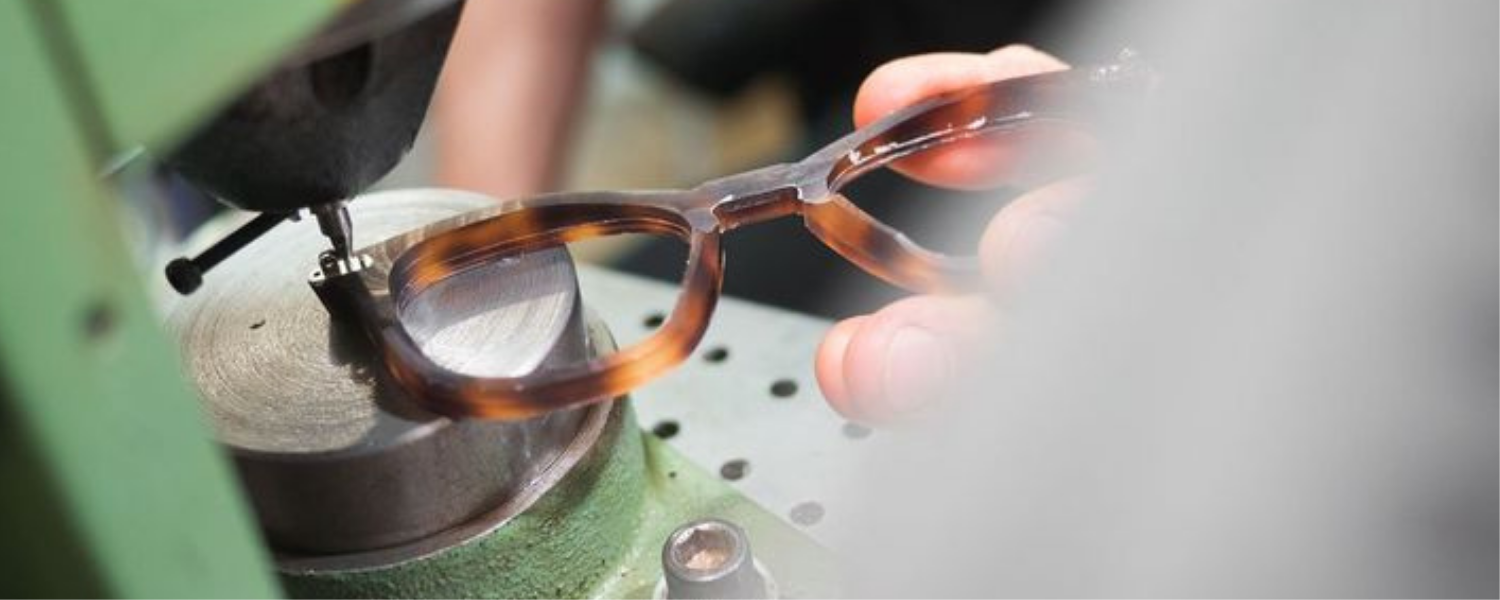
After sample approval, the manufacturer prepares for mass production. The process may involve:
- Raw-material preparation
- Component manufacturing
- Frame cutting or moulding
- Polishing and finishing
- Colour application
- Logo application
- Assembly
- Lens installation
- Frame alignment
- Quality inspection
- Packaging
Production time depends on the material, quantity and design complexity. Brands should allow enough time for both production and international shipping before announcing a fixed launch date.
Step 11: Conduct Quality Control
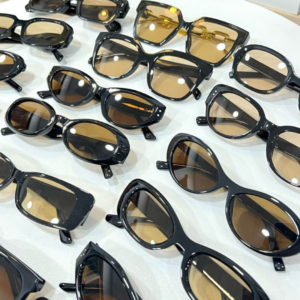
Quality control protects your brand and reduces the risk of customer complaints. Inspection may include:
- Frame dimensions
- Surface scratches
- Colour consistency
- Lens fitting
- Hinge performance
- Temple alignment
- Screw security
- Logo accuracy
- Packaging condition
- Quantity verification
Quality standards should be agreed upon before bulk production begins.
Step 12: Prepare Your Product Launch
While production is underway, your marketing team should prepare:
- Website product pages
- Product photography
- Social media content
- Influencer partnerships
- Wholesale catalogues
- Email campaigns
- Advertising materials
- Launch offers
Your marketing schedule should be coordinated with the production and delivery timeline.
Start Your Eyewear Brand with D Marjan
D Marjan Opticals Trading L.L.C. supports fashion brands, entrepreneurs and established businesses with custom OEM eyewear manufacturing. Our team assists with:
- Product concept development
- Frame design
- Material selection
- Technical support
- Sampling
- Production
- Quality control
- Packaging coordination
- Global delivery support
With client service from Dubai and manufacturing capabilities in China, D Marjan helps international brands manage their eyewear projects from idea to production. Email: info@dmarjan.com UAE Mobile and WhatsApp: +971 54 571 7523 Phone: +971 4 553 4792
FAQs
How much does it cost to start an eyewear brand?
The total investment depends on design development, sample production, materials, quantity, packaging and shipping. A fully customized OEM project usually requires a larger budget than buying existing stock because the products are developed specifically for the brand.
How long does it take to manufacture custom eyewear?
The complete process may include design development, sample production, revisions, bulk manufacturing, inspection and delivery. Timelines vary according to the material and complexity.
Can a fashion brand launch eyewear without previous industry experience?
Yes. A professional OEM eyewear manufacturer can guide the brand through product design, material selection, sampling and production.
What is the typical MOQ for custom eyewear?
The MOQ varies by project. A typical OEM order may begin from approximately 300 pieces per design, often divided across multiple colours.