
GCC / Middle East · Eyewear Manufacturing Guide
Best Eyewear Materials and Lenses for GCC Climate and Lifestyle
For GCC eyewear brands, material choice should balance appearance, comfort, intended use and manufacturability—not rely on a trend alone.
Eyewear sold across the GCC often moves between intense outdoor light and heavily air-conditioned interiors. Customers also expect fashion relevance, comfort and premium finishing. That makes material and lens decisions central to the product strategy.
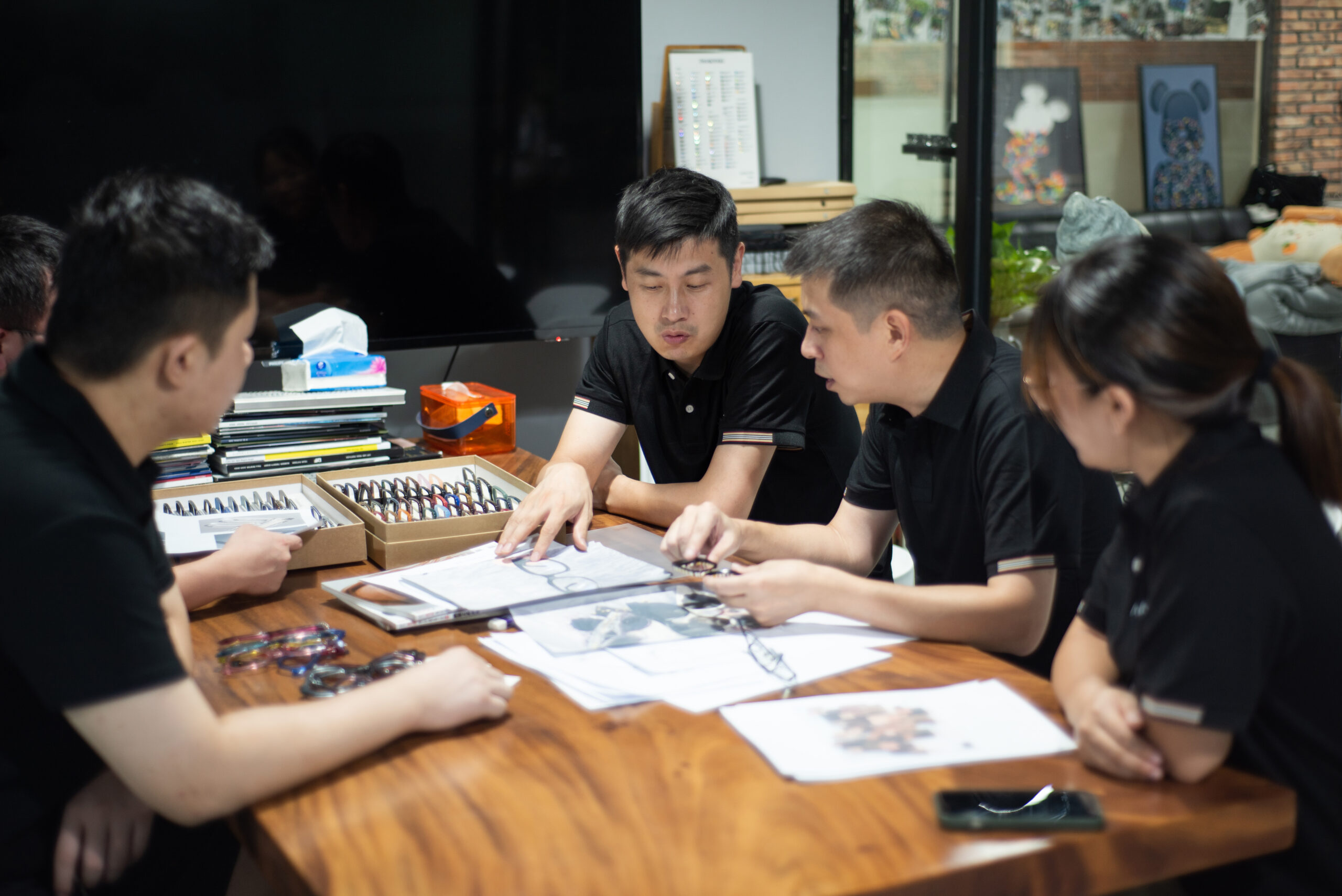
The correct specification depends on the audience and use case. DMARJAN’s Shenzhen factory helps brands compare options at the development stage, create samples and confirm how each choice behaves as a complete frame.
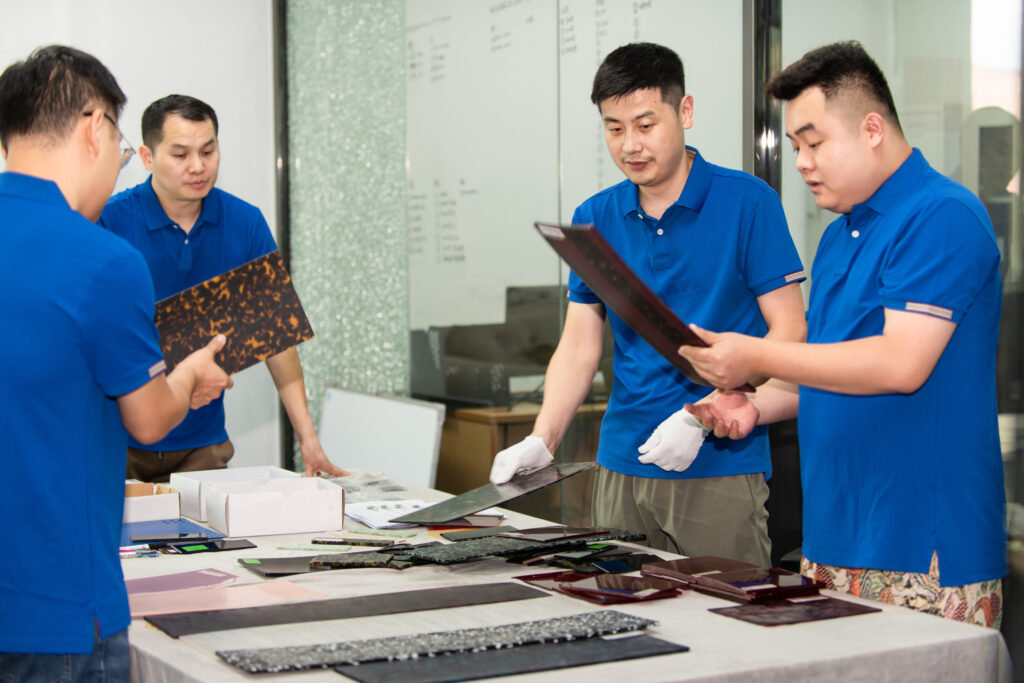
Acetate for Colour, Depth and Premium Presence
Acetate suits brands that want rich colour, layered patterns and a substantial hand-feel. It works especially well for fashion-led sunglasses and optical collections where the frame itself is the visual statement.
During development, brands should review thickness, polishing, edge treatment, colour consistency and overall weight—not just select a material swatch.
Metal and Titanium for Refined, Lightweight Direction
Metal frames can create slimmer profiles and controlled detailing. Titanium is attractive for premium collections seeking low weight, durability and a precise aesthetic.
- Confirm the intended weight and fit.
- Review plating or surface-finish direction.
- Check component compatibility and hinge construction.
- Approve colour and finish on a physical sample.

Choose Lenses Around the Customer’s Real Use
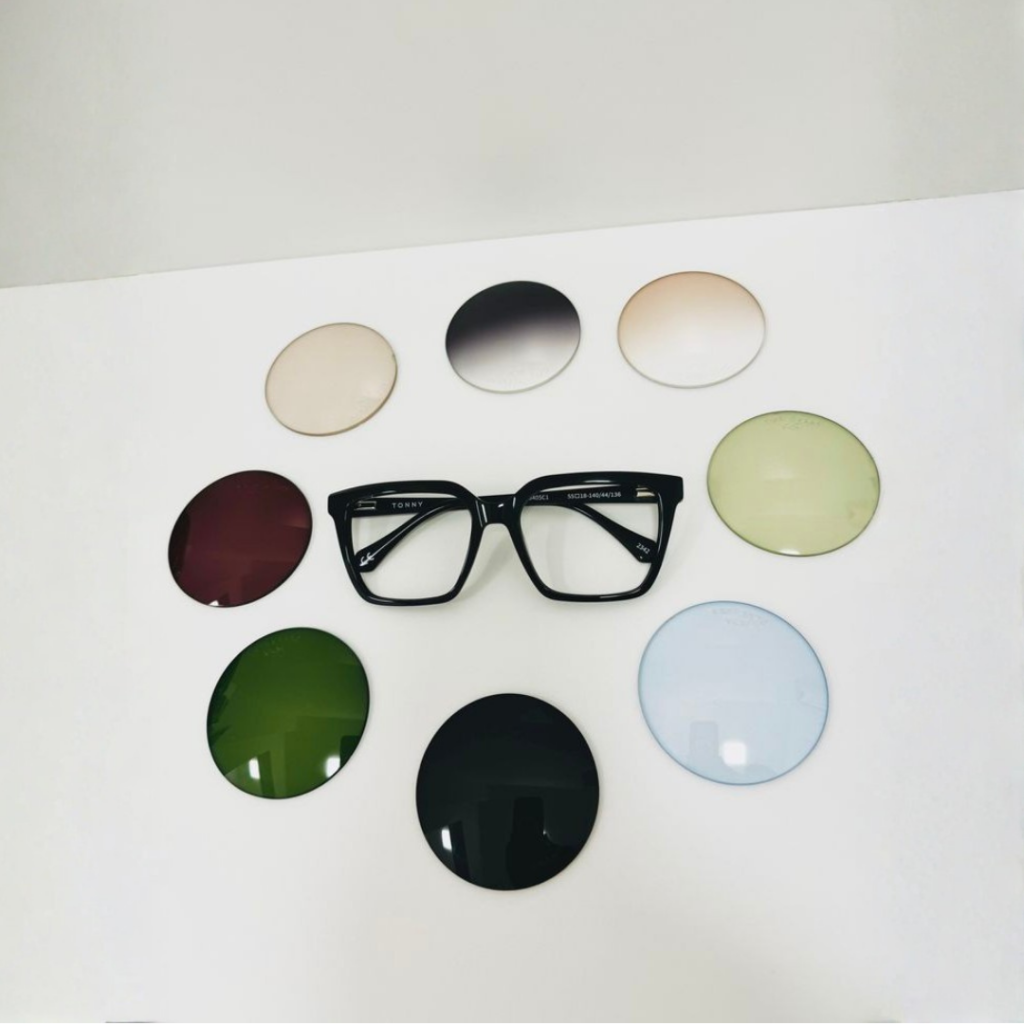
Lens colour should support the design, but function and target positioning matter as well. A fashion collection, driving-oriented range and sports concept will require different conversations.
Brands should define tint, visual effect, lens category and any performance requirement in the product brief, then confirm the final appearance in the approved sample.
How Shenzhen Sampling Protects the Material Decision
A material name does not guarantee the finished result. Geometry, thickness, components, finishing and assembly all influence comfort and durability. This is why DMARJAN’s Shenzhen development process moves material choices into a physical prototype.
The sample lets the brand assess the frame as one system before production—rather than discovering a weight, fit or colour problem after inventory has been made.
Create a Material Specification the Factory Can Repeat
Once the direction is approved, convert it into a controlled specification covering material, colour references, measurements, lens details, logo application, components and packaging.
DMARJAN’s combined development and factory coordination helps keep those decisions visible through manufacturing and quality control.
The best material is not the most expensive one. It is the material that delivers the intended design, comfort and performance consistently in production.
Frequently Asked Questions
Is acetate suitable for GCC sunglasses?
Acetate can be an excellent option for premium fashion sunglasses when thickness, fit, finishing and the intended use are properly developed and sampled.
Why should lens colour be approved on a sample?
Screen colours and isolated lens swatches do not show how the lens will look inside the finished frame under real light.
Can one collection combine different materials?
Yes. A focused collection can include acetate, metal or titanium directions, provided the brand language and quality expectations remain consistent.
Specify a Better GCC Eyewear Collection
Talk to DMARJAN about frame materials, lenses, sampling and production through our Shenzhen factory.