
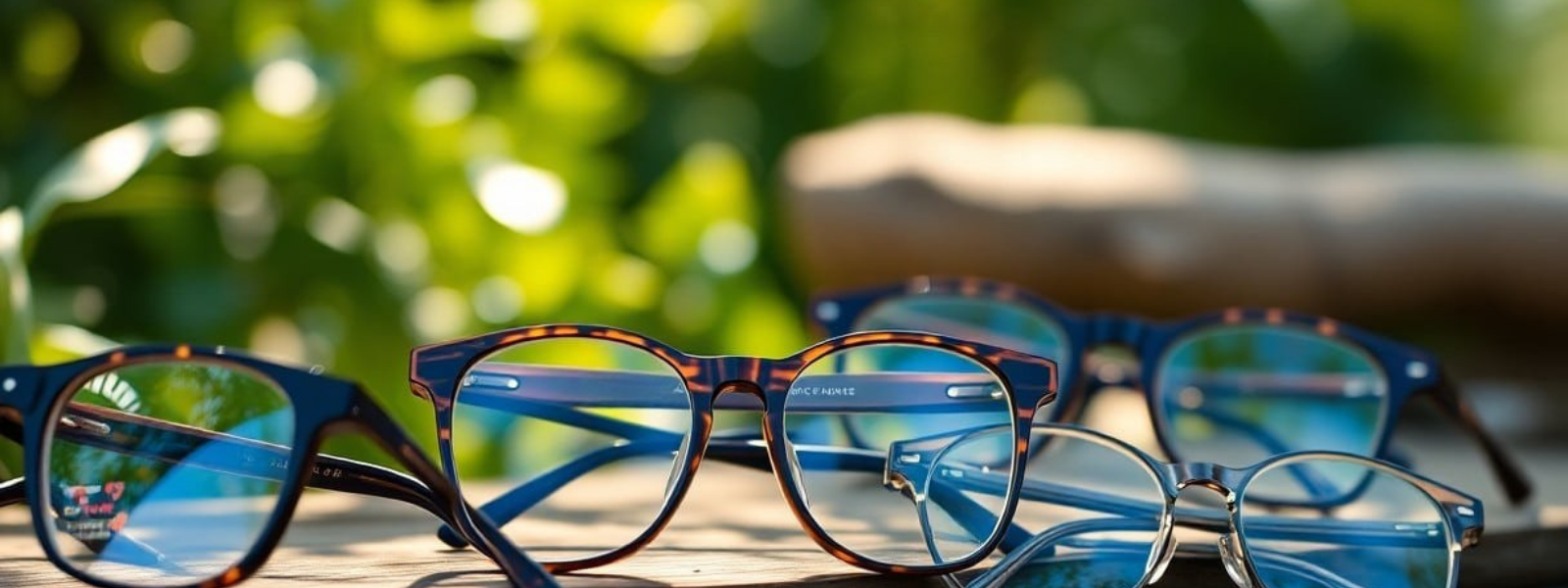
Sustainable Eyewear Materials: What Retailers Need to Know
Sustainable Eyewear Materials: What Retailers Need to Know
Sustainability is no longer a niche trend—it has become a defining factor in how consumers choose brands, products, and retailers. In the eyewear industry, this shift is especially important. From optical frames and sunglasses to packaging and accessories, customers are increasingly asking where products come from, how they are made, and what impact they have on the environment.
For eyewear retailers, wholesalers, and private-label brands, understanding sustainable eyewear materials is no longer optional. It is a strategic business advantage that affects brand reputation, customer loyalty, pricing power, and long-term growth.
In this comprehensive guide, we break down everything retailers need to know about sustainable eyewear materials—what they are, how they compare, market demand trends, profitability considerations, and how to source them responsibly from trusted manufacturers.
Why Sustainability Matters in the Eyewear Industry
Changing Consumer Behavior
Modern consumers—especially Gen Z and Millennials—are more conscious than ever about sustainability. Studies consistently show that buyers are willing to pay more for products that align with environmental and ethical values.

In eyewear retail, this means:
-
Customers asking about eco-friendly frames
-
Interest in recycled or biodegradable materials
-
Preference for brands with transparent sourcing
-
Growing demand for minimalist, recyclable packaging
Retailers who fail to adapt risk losing relevance in an increasingly values-driven market.
Regulatory and Market Pressure
Across the GCC, Europe, and global markets, governments and trade bodies are introducing:
-
Sustainability guidelines
-
Environmental compliance requirements
-
Plastic reduction initiatives
-
Import/export standards related to materials
Retailers sourcing eyewear from sustainable manufacturers are better positioned to comply with future regulations and avoid disruptions.
What Makes Eyewear “Sustainable”?
Sustainable eyewear is not defined by a single material. Instead, it reflects a combination of:
-
Material origin (renewable, recycled, biodegradable)
-
Manufacturing process (reduced waste, energy efficiency)
-
Durability and lifespan
-
End-of-life impact (recyclable or biodegradable)
-
Ethical sourcing and labor practices
True sustainability balances environmental responsibility with product performance and commercial viability.
Key Sustainable Eyewear Materials Retailers Should Know
1. Bio-Based Acetate (Eco Acetate)

Bio-acetate is one of the most popular sustainable materials in modern eyewear manufacturing.
What it is:
-
Made from natural sources like cotton pulp and wood fibers
-
Uses bio-plasticizers instead of petroleum-based chemicals
Why retailers like it:
-
Premium look and feel
-
Rich colors and layered designs
-
Comfortable and skin-friendly
-
Lower environmental impact than traditional acetate
Best for:
-
Fashion eyewear
-
Premium optical frames
-
Private-label collections
Retail advantage:
Eco-acetate allows retailers to market sustainability without sacrificing style or margins.
2. Recycled Acetate

Recycled acetate is produced using leftover acetate scraps from eyewear production.
Key benefits:
-
Reduces factory waste
-
Maintains high visual quality
-
Supports circular manufacturing
Limitations:
-
Color options may be limited
-
Availability depends on manufacturer processes
Best for:
-
Environmentally conscious collections
-
Capsule or limited-edition eyewear lines
3. Recycled TR90 & Eco TR90

TR90 is already known for being lightweight and durable. Sustainable versions take it further.
Eco TR90 options include:
-
Recycled TR90 polymers
-
Bio-based nylon blends
Advantages:
-
Extremely lightweight
-
Flexible and impact-resistant
-
Ideal for sports, kids, and everyday wear
-
Lower carbon footprint than traditional plastics
Retail insight:
Eco TR90 frames are excellent for high-volume retail and online eyewear brands due to durability and low return rates.
4. Recycled Metals (Stainless Steel & Aluminum)

Metal frames can also be sustainable when sourced responsibly.
Recycled metal frames offer:
-
Reduced mining impact
-
High durability
-
Premium aesthetics
-
Long product lifespan
Common materials:
-
Recycled stainless steel
-
Recycled aluminum
-
Low-nickel alloys
Best for:
-
Professional eyewear
-
Business optical frames
-
Minimalist designs
Retail benefit:
Metal frames last longer, reducing replacement frequency and waste—an often overlooked sustainability advantage.
5. Bio-Based Nylon & Plant-Derived Polymers

New innovations in eyewear materials include polymers derived from:
-
Castor oil
-
Corn starch
-
Other renewable plants
Advantages:
-
Lower reliance on fossil fuels
-
Lightweight and flexible
-
High resistance to heat and stress
Challenges:
-
Higher production costs
-
Limited supplier availability
Best for:
-
Premium sustainable eyewear brands
-
Innovation-focused collections
6. Natural Materials (Wood, Bamboo, Horn Alternatives)

Natural materials create strong visual differentiation.
Examples:
-
Bamboo frames
-
Laminated wood frames
-
Bio-resin horn alternatives
Pros:
-
Unique textures
-
Strong sustainability story
-
Boutique appeal
Cons:
-
Higher cost
-
Sensitivity to humidity and heat
-
Lower scalability
Retail takeaway:
Natural materials work best as specialty products, not mass-market inventory.
Sustainable Lenses: Often Overlooked but Important
Frames get most of the attention, but lenses also play a role in sustainability.
Sustainable Lens Options Include:
* Recycled polycarbonate lenses
* Bio-based resin lenses
* Long-lasting UV400 and polarized lenses

Why durability matters:
A lens that lasts longer reduces replacement frequency, waste, and environmental impact.
Sustainable Packaging for Eyewear Retailers
Packaging is a major contributor to waste—and a big opportunity for retailers to improve sustainability.
Eco-Friendly Packaging Options:
-
Recyclable cardboard boxes
-
Minimalist paper sleeves
-
Recycled microfiber cloths
-
PU-free or recycled eyewear cases
Retailers can enhance brand perception simply by reducing excess packaging.
Market Demand: Are Customers Really Buying Sustainable Eyewear?
The answer is yes—especially in key markets like:
-
UAE
-
Saudi Arabia
-
Europe
-
North America
-
Australia
Key consumer trends:
-
Preference for “eco” labels
-
Willingness to pay premium prices
-
Interest in transparency and storytelling
-
Strong response on social media
Retailers offering sustainable eyewear often report:
-
Higher engagement
-
Stronger brand loyalty
-
Improved conversion rates
Pricing & Profitability: Is Sustainable Eyewear More Expensive?
Sustainable materials can cost more at the production level, but profit margins remain strong when sourced correctly.
Why sustainability can increase profits:
-
Premium positioning
-
Higher perceived value
-
Reduced return rates (durable materials)
-
Brand differentiation
Retailers working directly with manufacturers—rather than intermediaries—can keep costs competitive.
How Retailers Should Choose Sustainable Eyewear Materials

When selecting sustainable eyewear for your store, consider:
1. Your Target Market
-
Budget shoppers → Eco TR90, recycled acetate
-
Premium buyers → Bio-acetate, recycled metals
-
Sports users → Eco TR90, recycled nylon
2. Your Business Model
-
Optical shop → Durable, adjustable materials
-
Online store → Lightweight, flexible frames
-
Private label → Custom eco materials + branding
3. Supply Chain Reliability
Choose manufacturers who:
-
Provide material certifications
-
Offer consistent quality
-
Support low MOQs
-
Have ethical production standards
Why Manufacturers Matter More Than Materials
Even the most sustainable material fails if manufacturing practices are poor.
Retailers should partner with manufacturers who:
-
Minimize waste
-
Use energy-efficient production
-
Offer transparent sourcing
-
Maintain strict quality control
Sourcing Sustainable Eyewear with D Marjan Opticals
D Marjan Opticals supports retailers and brands looking to introduce sustainable eyewear into their collections without sacrificing quality or margins.
What D Marjan Opticals Offers:
-
Sustainable acetate and TR90 options
-
Recycled metal frame solutions
-
Low MOQ for eco collections
-
Custom branding and private label
-
Factory-direct pricing
-
Worldwide delivery
-
Dubai office support + Shenzhen factory
This makes it easier for retailers to test sustainable collections, scale gradually, and meet growing consumer expectations.
Future of Sustainable Eyewear: What’s Next?
Looking ahead, the eyewear industry will see:
-
Greater use of bio-based polymers
-
Stronger sustainability regulations
-
Increased transparency requirements
-
Higher demand for circular production models
Retailers who adopt sustainable eyewear early will gain a long-term competitive advantage.
Final Thoughts: Sustainability Is a Business Opportunity

Sustainable eyewear materials are not just good for the planet—they are good for business.
For retailers, wholesalers, and private-label brands, sustainability offers:
-
Brand differentiation
-
Stronger customer trust
-
Premium pricing potential
-
Future-proof inventory decisions
By understanding materials, consumer demand, and responsible sourcing, retailers can confidently build eyewear collections that align with both market trends and environmental responsibility.
Ready to Source Sustainable Eyewear?
📩 Contact D Marjan Opticals to explore sustainable eyewear materials, private-label options, and low-MOQ collections.
📍 Visit our Dubai office or request catalogs and samples today.
Build an eyewear collection that sells today—and stays relevant tomorrow.