
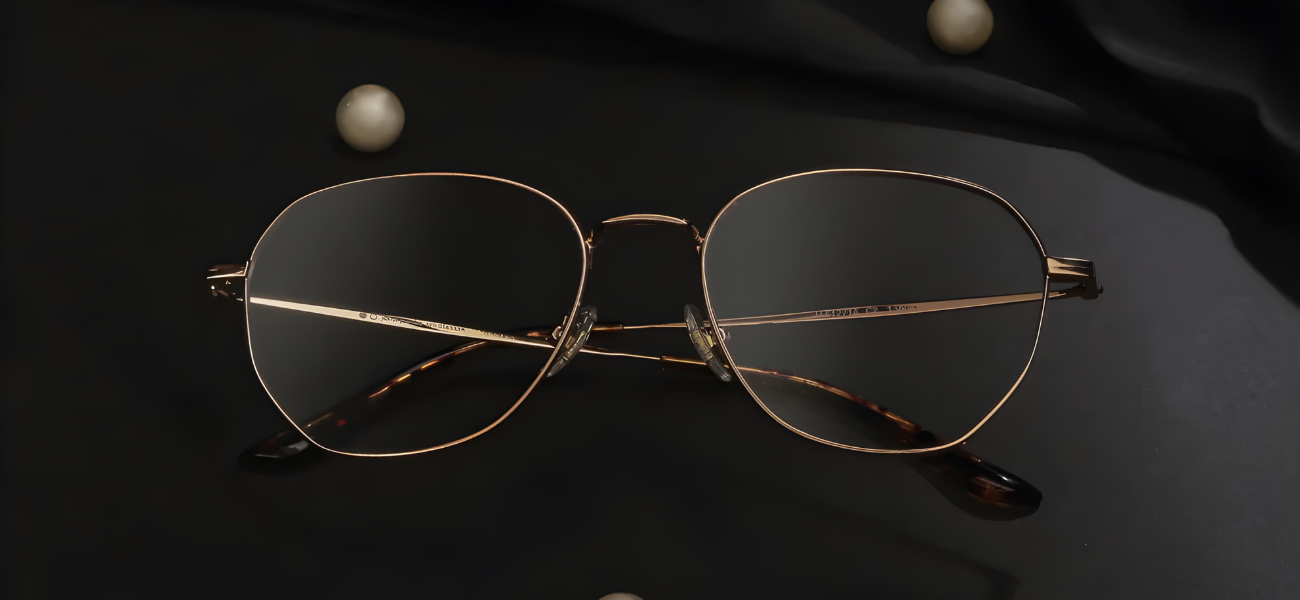
Metal vs. Titanium Frames — What Is the Better Long-Term Investment?
Metal vs. Titanium Frames — What Is the Better Long-Term Investment?
The Ultimate 2026 Buyer Guide for Eyewear Retailers, Wholesalers & Private-Label Brands
The eyewear industry continues to grow rapidly across the UAE, GCC, Europe, and Asia — driven by rising consumer demand for stylish, durable, and premium-quality frames. For retailers and distributors, choosing the right materials is essential not only for customer satisfaction but also for profitability and long-term business growth. Among the many frame materials available today, metal and titanium remain two of the most popular and trusted options.
But when it comes to long-term investment, which material truly provides better value for retailers and private-label brands? Is it classic stainless steel frames, or should you upgrade to titanium for premium collections?
In this comprehensive guide, we compare metal vs titanium frames, examining durability, weight, performance, comfort, cost, and market trends — helping eyewear businesses choose the best option for their audience.
1. Understanding Metal Frames
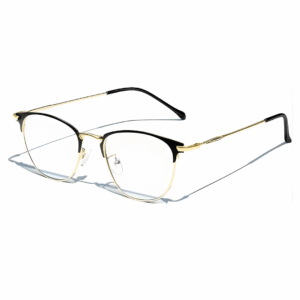
Metal frames have been a staple in the eyewear industry for decades. When we say metal frames, this usually includes materials such as:
Each material has its own strengths, but the category as a whole is known for being affordable, stylish, and easy to manufacture.
Advantages of Metal Frames
✔ Cost-effective
Metal frames are ideal for retailers looking to maintain good margins. Business owners can purchase them at low factory-direct prices while offering customers stylish, budget-friendly options.
✔ Versatile Design Options
Metal frames can be shaped into:
-
Thin minimalist silhouettes
-
Retro aviators
-
Wire frames
-
Half-rim designs
This gives retailers a wide variety of designs for different customer demographics.
✔ Lightweight (depending on alloy)
Many stainless-steel and aluminum frames are extremely lightweight, making them comfortable for everyday use.
✔ Corrosion-resistant
High-quality metal frames from manufacturers like D Marjan Opticals come with anti-corrosion coatings, ensuring durability in humid climates like the UAE, Qatar, or Southeast Asia.
✔ Easy to Adjust
Metal can be easily reshaped and adjusted for a perfect fit—ideal for opticians and optical stores offering prescription services.
Disadvantages of Metal Frames
✘ Possible allergic reactions (if nickel is present)
Cheaper metal frames often contain nickel, which can cause skin irritation in some users.
✘ Lower durability than titanium
Though strong, metal can bend or lose shape over time, especially if it is a softer alloy.
✘ More prone to wear and tear
Coatings may fade, and paint can scratch if not handled properly.
2. Understanding Titanium Frames
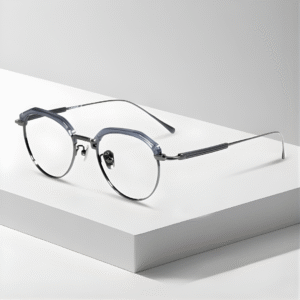
Titanium is considered one of the most premium materials in the eyewear world — lightweight, durable, hypoallergenic, and highly corrosion-resistant. It’s the go-to choice for luxury and performance eyewear.
There are three types:
-
Beta Titanium (more flexible)
-
Titanium Alloy (with added durability)
Advantages of Titanium Frames
✔ Extreme Durability
Titanium is one of the toughest frame materials available. It resists bending, denting, and breaking — making it ideal for long-term use.
✔ Ultra Lightweight
Titanium frames weigh about 40% less than most metal frames, offering exceptional comfort for all-day wear.
✔ Hypoallergenic
Perfect for customers with sensitive skin or nickel allergies.
✔ Corrosion-Resistant
Sweat, humidity, and saltwater do not affect titanium, making it especially suitable for GCC climates.
✔ Premium & Professional Appearance
Titanium frames often have a sleek, luxurious look — perfect for high-end clientele.
✔ High-Value Perception
Customers associate titanium with luxury, quality, and durability, making it easier for retailers to command higher margins.
Disadvantages of Titanium Frames
✘ Higher cost
Titanium is more expensive to produce, meaning higher MOQ pricing for retailers.
✘ More challenging to adjust
Titanium is not as flexible as alloy-based metals, requiring skilled opticians for adjustments.
✘ More limited color options
Although improving, titanium color plating options are fewer than traditional metal.
3. Metal vs. Titanium: A Side-by-Side Comparison
| Feature | Metal Frames | Titanium Frames |
|---|---|---|
| Price | Affordable | Higher, premium pricing |
| Weight | Moderate to light | Extremely lightweight |
| Durability | Good | Excellent (long-lasting) |
| Hypoallergenic | Not always | Yes |
| Corrosion Resistance | Good | Superior |
| Adjustability | Easy | Moderate |
| Style Variety | Very Wide | Moderate |
| Target Market | Budget–mid-range customers | Premium/luxury customers |
| Margin Potential | Good | Very high |
4. Which Frame Material Is Better for Long-Term Investment?

For Retailers Looking to Maximize Profit: Titanium Wins
Titanium frames offer long-term value because:
-
They have higher perceived value
-
They offer higher retail markups (200–400%)
-
Customers are willing to pay premium prices
-
They last longer, reducing customer complaints or returns
For Stores Focused on Fast Sales & Volume: Metal Wins
Metal frames are:
-
Affordable
-
Easy to stock in large quantities
-
Suitable for all age groups
-
Perfect for wholesalers and budget-friendly collections
For Private Label Brands Targeting Premium Markets
Titanium wins due to:
-
Exclusive look
-
Lightweight comfort
-
Strong branding appeal
-
Better long-term customer satisfaction
For Hot Climates (UAE, Saudi Arabia, Qatar, Oman)
Titanium is the better long-term investment because of its superior resistance to:
-
Sweat
-
Heat
-
Humidity
-
Corrosion
5. Market Trends: What Consumers Prefer in 2026
Trend 1: Lightweight Frames Are In High Demand
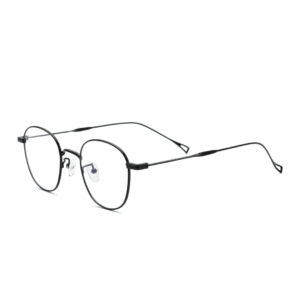
Consumers prefer comfort — especially for all-day digital use. Titanium and thin metal frames dominate this trend.
Trend 2: Allergy-Free Materials

More consumers are choosing hypoallergenic materials, pushing titanium ahead of nickel-based frames.
Trend 3: Eco-Friendly & Long-Lasting Eyewear

Long-lasting frames reduce environmental impact. Titanium fits this demand perfectly.
Trend 4: Minimalist and Professional Styles
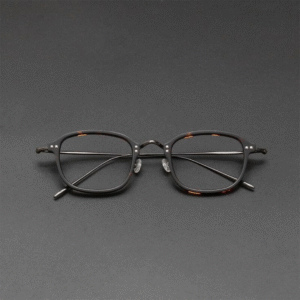
Titanium’s sleek design works perfectly for corporate customers, making it a strong investment.
6. Cost Breakdown: What Retailers Need to Know

Metal Frames Pricing
-
Low to medium cost
-
High flexibility in ordering low MOQ
-
Perfect for retailers who want variety at affordable prices
Titanium Frames Pricing
-
Higher cost per piece
-
Better suited for premium collections
-
Higher retail margins offset initial investment
7. What D Marjan Opticals Recommends for Retailers in UAE & GCC

As a trusted factory-direct supplier with 27+ years of manufacturing experience, D Marjan Opticals provides both metal and titanium frames with:
✔ Low MOQ
✔ Factory-direct pricing
✔ OEM/ODM custom branding
✔ Worldwide delivery
✔ High-quality materials
✔ Wholesale-ready stock
Our Professional Recommendation:
For a balanced eyewear catalog:
-
40% Titanium Collection (Premium customers)
-
60% Metal Collection (Lifestyle, everyday buyers)
This gives retailers a mix of high-volume sales and high-profit premium sales.
Final Verdict: Metal vs Titanium — Which Is the Better Long-Term Investment?
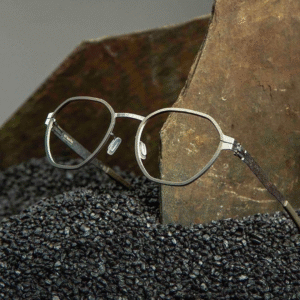
If your primary goal is high profit margins, customer loyalty, and premium brand positioning, then titanium is the superior long-term investment.
If your focus is variety, fast turnover, and affordability, then metal frames offer faster volume growth.
Most successful retailers stock both, using titanium for luxury lines and metal for everyday mass-market collections.
Ready to Source Premium Metal or Titanium Frames?
D Marjan Opticals supplies high-quality metal, titanium, acetate, and TR90 frames directly from our Shenzhen factory with support from our Dubai office.
📦 Low MOQ
🎨 Full Custom Branding
🌍 Worldwide Delivery
🏭 Factory-Direct Pricing
📩 DM us today or visit our Dubai office to view samples and start your eyewear collection.