
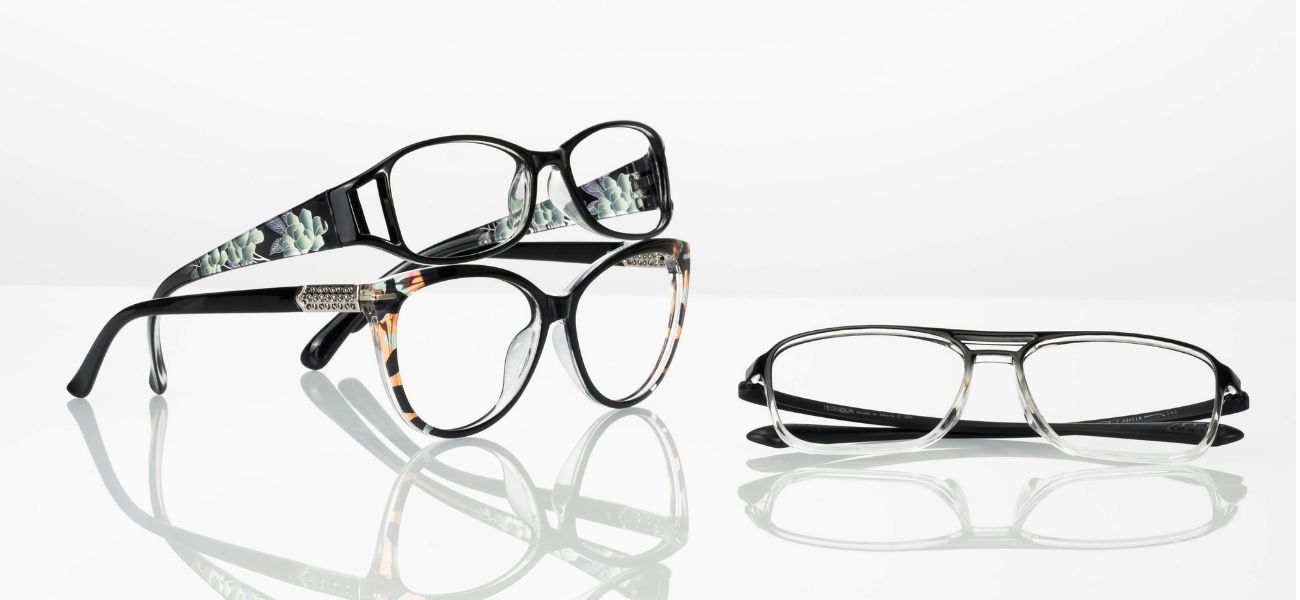
How to Identify High-Quality Eyewear for Your Store
How to Identify High-Quality Eyewear for Your Store
In today’s highly competitive eyewear market, stocking high-quality eyewear is no longer optional—it is essential. Whether you operate an optical retail store, manage a wholesale distribution business, or are building a private-label eyewear brand, the quality of the frames and sunglasses you sell directly impacts your customer satisfaction, brand reputation, and long-term profitability.
Customers are becoming more educated and selective. They can easily spot poorly made frames, weak hinges, uncomfortable materials, or lenses that don’t perform as promised. For retailers, selling low-quality eyewear often leads to returns, complaints, negative reviews, and lost trust—all of which cost far more than the initial savings of cheaper products.
So how do you identify high-quality eyewear before adding it to your store? What should you look for when evaluating frames, lenses, materials, manufacturing standards, and suppliers?
In this in-depth guide, we break down everything you need to know to confidently identify premium eyewear, helping you build a collection that sells faster, lasts longer, and keeps customers coming back.
Why High-Quality Eyewear Matters for Retailers
Before diving into technical details, it’s important to understand why quality should be your top priority.
High-quality eyewear offers:
-
Higher customer satisfaction
-
Lower return and repair rates
-
Stronger brand trust and loyalty
-
Better profit margins
-
Long-term business growth
In markets like the UAE, GCC, and global fashion hubs, eyewear is not just a medical product—it’s a fashion and lifestyle accessory. Customers expect frames that look good, feel comfortable, and last.
Retailers who focus on quality rather than price alone consistently outperform competitors in the long run.
1. Start With Frame Materials: The Foundation of Quality
The material used to manufacture eyewear frames is one of the clearest indicators of overall quality.
A. Acetate Frames: Premium and Fashion-Forward
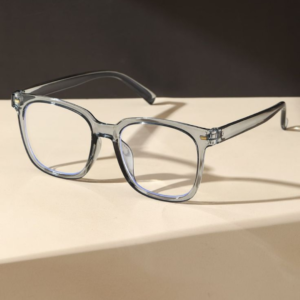
High-quality acetate frames are made from cellulose acetate, a plant-based material known for durability and rich aesthetics.
What to look for:
-
Deep, vibrant colors (not flat or dull)
-
Smooth, polished finish
-
Slight flexibility without cracking
-
No strong chemical smell (a sign of cheap plastic)
Why acetate is premium:
-
More durable than injection plastic
-
Comfortable for long wear
-
Allows layered colors and luxury finishes
-
Preferred for fashion and high-end collections
Cheap frames often use injection-molded plastic instead of real acetate—these are lighter in price but heavier in complaints.
B. TR90 Frames: Lightweight and Flexible
TR90 is a high-performance thermoplastic widely used in modern eyewear.
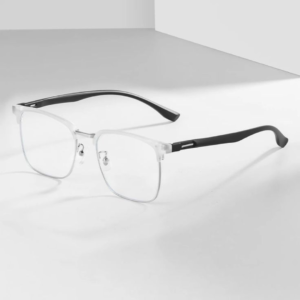
High-quality TR90 frames should be:
-
Extremely lightweight
-
Flexible but able to return to original shape
-
Smooth at edges and joints
-
Heat and sweat resistant
TR90 is ideal for:
-
Kids’ eyewear
-
Sports and active lifestyles
-
Budget-to-mid-range collections
-
Online eyewear sales
If a TR90 frame feels brittle or cracks under pressure, it’s likely low-grade material.
C. Metal Frames: Strength and Precision Matter
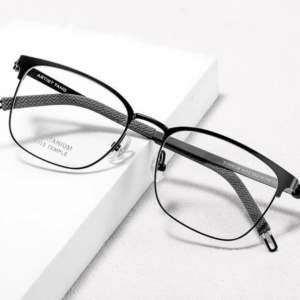
Not all metal frames are created equal. High-quality metal eyewear typically uses:
Signs of premium metal frames:
-
Clean welds (no visible rough joints)
-
Even plating or coating
-
Lightweight but solid feel
-
Corrosion resistance
Avoid frames that:
-
Feel overly heavy
-
Have uneven paint
-
Show sharp edges or weak soldering
2. Examine Hinges and Hardware Closely
Hinges are one of the most common failure points in eyewear. Even the best-looking frame can be poor quality if the hinges are weak.
What High-Quality Hinges Look Like:
-
Smooth opening and closing
-
No squeaking sounds
-
Screws sit flush and tight
-
Durable metal construction
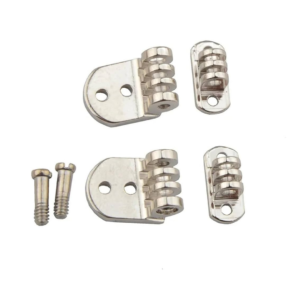
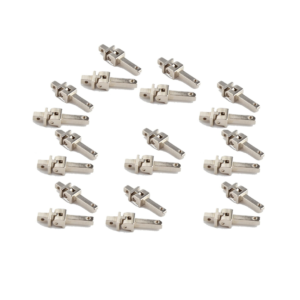
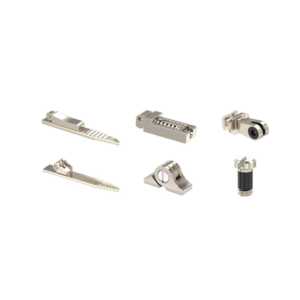
Types of Hinges to Look For:
-
Standard metal hinges (for basic frames)
-
Spring hinges (for flexibility and comfort)
-
Integrated hinges (common in premium acetate frames)
Low-quality eyewear often uses thin, poorly aligned hinges that loosen quickly—leading to returns and repairs.
3. Frame Symmetry and Build Accuracy
One of the simplest ways to identify quality eyewear is to test symmetry.
How to Check:
-
Place the frame on a flat surface
-
Both temples should touch the surface evenly
-
The frame should not rock or tilt
-
Lenses should align perfectly
High-quality frames are manufactured using CNC cutting and precision molding, ensuring consistency and balance.
Poor symmetry usually indicates rushed production or lack of quality control.
4. Comfort and Fit: What Customers Feel First
Customers may be attracted by style, but they buy—and return—based on comfort.

Key Comfort Indicators:
-
Smooth nose bridge or adjustable nose pads
-
No sharp edges behind the ears
-
Balanced weight distribution
-
Temples that grip gently without pressure
Quality eyewear is designed for all-day wear, especially prescription frames.
If a frame feels uncomfortable within a few minutes, it won’t survive long in a retail environment.
5. Lens Quality: More Than Just UV Protection
High-quality eyewear isn’t only about frames—lenses matter just as much.
A. UV Protection

Every quality sunglass lens should offer UV400 protection, blocking 100% of UVA and UVB rays.
Always verify:
-
UV400 marking
-
Test certificates (especially for wholesale orders)
B. Polarized Lenses
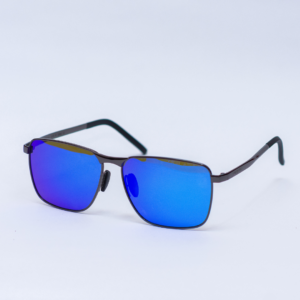
Polarized lenses reduce glare and are highly popular in sunny regions like the UAE and GCC.
High-quality polarized lenses:
-
Improve visual clarity
-
Reduce eye strain
-
Increase perceived value
-
Allow higher retail pricing
Retailers stocking polarized eyewear consistently achieve better margins.
C. Optical Clarity
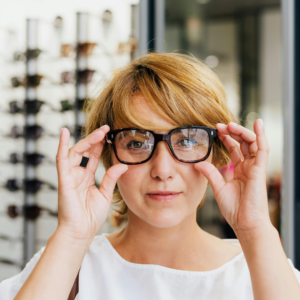
Check lenses for:
-
Distortion when looking through them
-
Uneven thickness
-
Poor tint consistency
Low-quality lenses may meet basic UV standards but fail in clarity—leading to customer dissatisfaction.
6. Finishing Details Reveal True Quality
The difference between average and premium eyewear often lies in finishing details.
Inspect for:
-
Smooth edges and corners
-
Even polishing
-
Clean engravings or logo printing
-
Consistent color across frames
High-quality frames go through multiple polishing and inspection stages, often including hand-finishing.
Rough edges, paint bubbles, or uneven logos are red flags.
7. Packaging and Presentation Matter
While packaging doesn’t define eyewear quality, it often reflects how much care a manufacturer puts into the product.
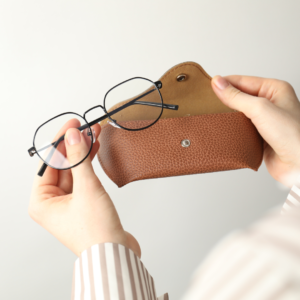
High-quality eyewear usually comes with:
-
Protective cases
-
Microfiber cleaning cloths
-
Clean labeling
-
Secure packaging for transport
For private-label brands, professional packaging adds perceived value and strengthens branding.
8. Quality Control Standards and Testing
Reliable manufacturers follow strict quality control procedures.
Look for suppliers that test:
-
Hinge durability
-
Frame flexibility
-
Lens coating adhesion
-
UV and polarization performance
-
Frame alignment and symmetry
International standards such as ISO certifications are strong indicators of professional manufacturing.
9. Supplier Reliability: The Hidden Quality Factor
Even great frames lose value if the supplier is unreliable.
A high-quality eyewear supplier should offer:
-
Consistent product quality
-
Transparent material information
-
Clear MOQs and pricing
-
Sample availability
-
After-sales support
-
Reliable delivery timelines
This is why many retailers and wholesalers prefer working directly with manufacturers rather than multiple middlemen.
10. Why Retailers Trust D Marjan Opticals
Identifying high-quality eyewear becomes much easier when you work with an experienced manufacturer.
is a trusted B2B eyewear manufacturer and supplier serving retailers, wholesalers, and private-label brands across the UAE, GCC, and global markets.
What Sets D Marjan Opticals Apart:
-
Premium acetate, TR90, stainless steel & titanium frames
-
Low MOQ suitable for startups and growing brands
-
Factory-direct pricing
-
Custom branding & private-label support
-
Ready stock and custom manufacturing
-
Strict quality control
-
Worldwide delivery
-
Shenzhen factory + Dubai office support
Retailers can inspect quality firsthand, request samples, and scale confidently.
Common Mistakes Retailers Make When Sourcing Eyewear
Avoid these pitfalls:
-
Choosing price over quality
-
Not testing samples before bulk orders
-
Ignoring hinge and lens quality
-
Working with unverified suppliers
-
Overstocking low-demand styles
Quality eyewear sells faster, reduces returns, and strengthens your brand.
How to Build a High-Quality Eyewear Collection
The best-performing stores offer a balanced mix of:
-
Acetate fashion frames
-
TR90 everyday and kids’ eyewear
-
Stainless steel and titanium optical frames
-
Polarized sunglasses
-
Multiple price points
This strategy attracts wider customer segments and increases average order value.
Final Thoughts: Quality Is an Investment, Not a Cost

Learning how to identify high-quality eyewear is one of the most valuable skills for any optical retailer or wholesaler. While cheaper frames may seem attractive initially, they often cost more in the long run through returns, complaints, and damaged reputation.
High-quality eyewear:
-
Builds customer trust
-
Improves margins
-
Enhances brand image
-
Supports long-term growth
By understanding materials, construction, lenses, and supplier standards—and by partnering with reliable manufacturers like D Marjan Opticals—you can confidently stock eyewear that performs in both style and sales.
Ready to Source High-Quality Eyewear?
📩 Contact D Marjan Opticals today to request catalogs, samples, and wholesale pricing.
📍 Visit our Dubai office to inspect quality in person.
🌍 Serving UAE, GCC, and global B2B eyewear markets.
Build your store on quality—and your customers will notice.