
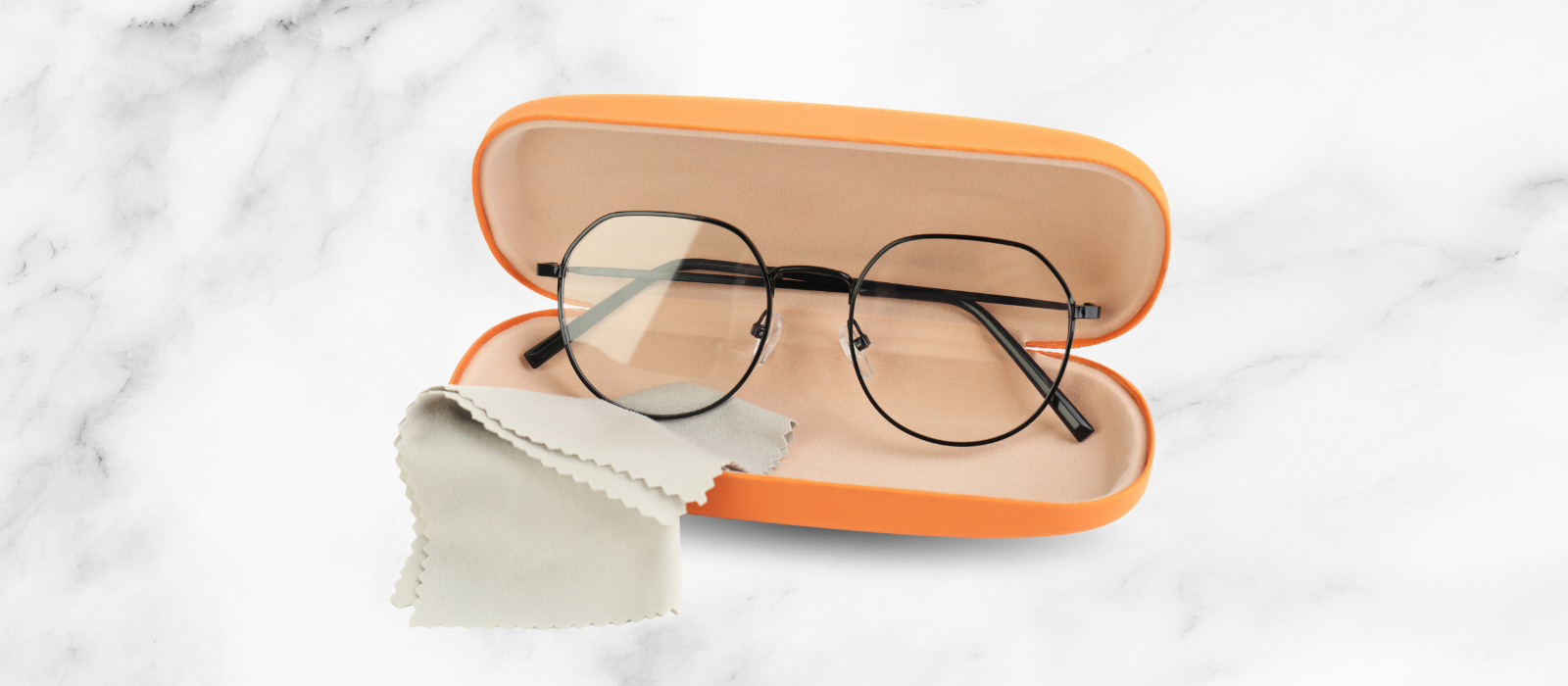
The Real Cost of Branding Eyewear: What to Expect and How to Do It Right
The Real Cost of Branding Eyewear: What to Expect, How to Do It Right, and Choosing the Best Supplier
Branding eyewear has become one of the most attractive business opportunities in the global fashion and optical industry. From independent startups and influencers to established retailers and wholesalers, more businesses are investing in private-label eyewear to build long-term brand value, increase margins, and stand out in a competitive market.
However, one of the most common questions entrepreneurs ask is:
“How much does it cost to brand eyewear?”
The answer is not a fixed number. Eyewear branding costs depend on multiple factors such as design complexity, materials, production volume, branding methods, and the supplier you choose. Instead of focusing on exact prices, successful brands focus on cost structure, value creation, and scalability.
This guide explains:
-
What goes into the cost of branding eyewear
-
How to plan and execute private-label eyewear successfully
-
How to avoid common mistakes
-
How to choose the best eyewear supplier for branding
Whether you are launching your first eyewear brand or expanding an existing one, this guide will help you make informed decisions.
Understanding What “Eyewear Branding” Really Means

Branding eyewear goes far beyond adding a logo to a frame. True private-label eyewear involves creating a complete brand experience that customers recognize, trust, and return to.
Eyewear branding can include:
-
Custom-designed frames
-
Material selection (acetate, TR90, stainless steel, titanium)
-
Logo engraving or printing
-
Lens customization (UV, polarized, blue-light, photochromic)
-
Custom colors and finishes
-
Packaging, cases, and cleaning cloths
-
Brand messaging and positioning
Each of these elements contributes to the overall cost and value of your eyewear brand.
Key Factors That Influence the Cost of Branding Eyewear
1. Frame Design & Development
Design is often the first investment in branding eyewear.
You can choose between:
-
Ready-stock frames with branding (faster, lower risk)
-
Semi-custom designs (modified existing frames)
-
Fully custom designs (unique molds and shapes)
The more original and complex the design, the higher the development effort required. Brands starting out often choose semi-custom or ready-stock options to reduce risk while testing the market.
2. Materials Used in Eyewear Production
Material choice plays a major role in branding cost and market positioning.
Common materials include:
-
TR90 – lightweight, flexible, ideal for sports and everyday wear
-
Acetate – premium look, fashionable, highly customizable
-
Stainless steel – professional, minimalist, durable
-
Titanium – ultra-light, corrosion-resistant, premium category
Higher-end materials enhance perceived value, allowing brands to price products higher while maintaining healthy margins.
3. Branding & Logo Application
Branding methods vary depending on the frame material and brand positioning.
Common branding options:
-
Laser engraving
-
Pad printing
-
Metal logo inlays
-
Temple-tip branding
-
Lens engraving
Subtle branding often works best for premium collections, while bold logos appeal to fashion-forward and youth markets.
4. Packaging & Accessories
Packaging is a critical part of eyewear branding and customer perception.
Branding elements may include:
-
Custom eyewear cases
-
Printed or embossed logos
-
Branded cleaning cloths
-
Premium boxes
-
Instruction cards or brand story inserts
Well-designed packaging increases perceived value and improves customer experience, especially for online sales.
5. Production Volume & MOQ
Minimum order quantity (MOQ) has a major impact on overall cost efficiency.
-
Lower MOQs are ideal for startups and testing new designs
-
Higher volumes reduce per-unit cost and improve margins
Choosing a supplier that offers low MOQ without compromising quality is essential for new brands.
6. Quality Control & Compliance
High-quality eyewear requires:
-
Frame alignment checks
-
Hinge durability testing
-
Lens clarity and UV testing
-
Material safety compliance
Reliable manufacturers include quality control as part of their production process, ensuring consistency and reducing returns.
7. Logistics & Delivery
Shipping, customs handling, and delivery timelines also influence overall investment.
Factors include:
-
Shipping method (air or sea)
-
Destination country
-
Packaging volume
-
Delivery speed
Suppliers with regional offices and global logistics networks simplify this process significantly.
How to Brand Eyewear Successfully: Step-by-Step

Step 1: Define Your Brand Positioning
Before production begins, clarify:
-
Who is your target customer?
-
Are you premium, mid-range, or budget?
-
Fashion-focused or function-focused?
-
Retail, wholesale, or e-commerce?
Clear positioning helps avoid unnecessary costs and design mistakes.
Step 2: Choose the Right Product Strategy
Decide whether you want:
-
Sunglasses only
-
Optical frames only
-
Mixed collections
-
Seasonal launches
Many successful brands start with sunglasses due to faster turnover and simpler sizing.
Step 3: Select a Reliable Eyewear Supplier
Your supplier determines:
-
Product quality
-
Production reliability
-
Branding precision
-
Scalability
Choosing the wrong supplier often leads to delays, inconsistent quality, and brand damage.
Step 4: Develop Samples & Approvals
Sampling allows you to:
-
Evaluate materials and finishes
-
Test branding placement
-
Assess comfort and durability
-
Collect market feedback
Good suppliers guide you through revisions until the product matches your brand vision.
Step 5: Production & Quality Control
Once approved, production begins with:
-
Material sourcing
-
Frame manufacturing
-
Branding application
-
Assembly and inspection
Strong quality control ensures every piece meets your brand standards.
Step 6: Packaging, Shipping & Launch
Final steps include:
-
Packaging assembly
-
Export preparation
-
Delivery to your warehouse or store
-
Product launch and marketing
Suppliers with experience in global shipping make this stage smooth and predictable.
Common Mistakes to Avoid in Eyewear Branding

Many new brands fail not because of demand, but because of poor execution.
Avoid:
-
Choosing suppliers based only on the lowest price
-
Ordering large quantities without testing the market
-
Ignoring quality control
-
Overcomplicating designs early
-
Inconsistent branding
Smart brands focus on scalability, quality, and long-term value.
Why Choosing the Right Supplier Matters More Than Cost

The “cheapest” supplier often becomes the most expensive mistake.
A strong eyewear supplier provides:
-
Design support
-
Material expertise
-
Branding guidance
-
Low MOQ flexibility
-
Reliable timelines
-
Consistent quality
This reduces risk and protects your brand reputation.
Why D Marjan Opticals Is a Trusted Supplier for Eyewear Branding

D Marjan Opticals is a globally trusted B2B eyewear manufacturer supporting private-label brands, retailers, and wholesalers across the UAE, GCC, and international markets.
What Makes D Marjan Opticals Stand Out:
-
Low MOQ suitable for startups and new brands
-
Factory-direct manufacturing from Shenzhen
-
Dubai office support for GCC clients
-
Custom branding & private label expertise
-
Wide range of materials (TR90, acetate, stainless steel, titanium)
-
Ready stock & custom production options
-
Strict quality control
-
Worldwide delivery
D Marjan Opticals helps brands launch efficiently, scale confidently, and maintain consistent quality as they grow.
Who Should Invest in Eyewear Branding?

Eyewear branding is ideal for:
-
Retailers wanting higher margins
-
Wholesalers expanding their own label
-
Fashion brands entering accessories
-
Influencers launching lifestyle products
-
Entrepreneurs targeting niche markets
-
Optical shops building exclusive collections
With the right supplier and strategy, eyewear branding becomes a scalable, long-term business asset.
Is Branding Eyewear Worth It?
Yes — when done correctly.
Private-label eyewear allows you to:
-
Control pricing
-
Build brand loyalty
-
Increase profit margins
-
Differentiate from competitors
-
Expand into new markets
The key is understanding the process, cost structure, and supplier partnership rather than chasing the lowest upfront investment.
Final Thoughts

The cost of branding eyewear is not about a single number — it’s about planning, positioning, and partnerships. Businesses that succeed focus on quality, branding consistency, and supplier reliability.
By working with an experienced manufacturer like D Marjan Opticals, brands can reduce risk, launch faster, and scale sustainably without compromising quality.
Ready to Start Your Eyewear Brand?
📩 Contact D Marjan Opticals for catalogs, samples, and private-label guidance
📍 Visit our Dubai office for product inspection
🌍 Serving UAE, GCC & global markets
Build your eyewear brand the smart way — with quality, confidence, and the right partner.